

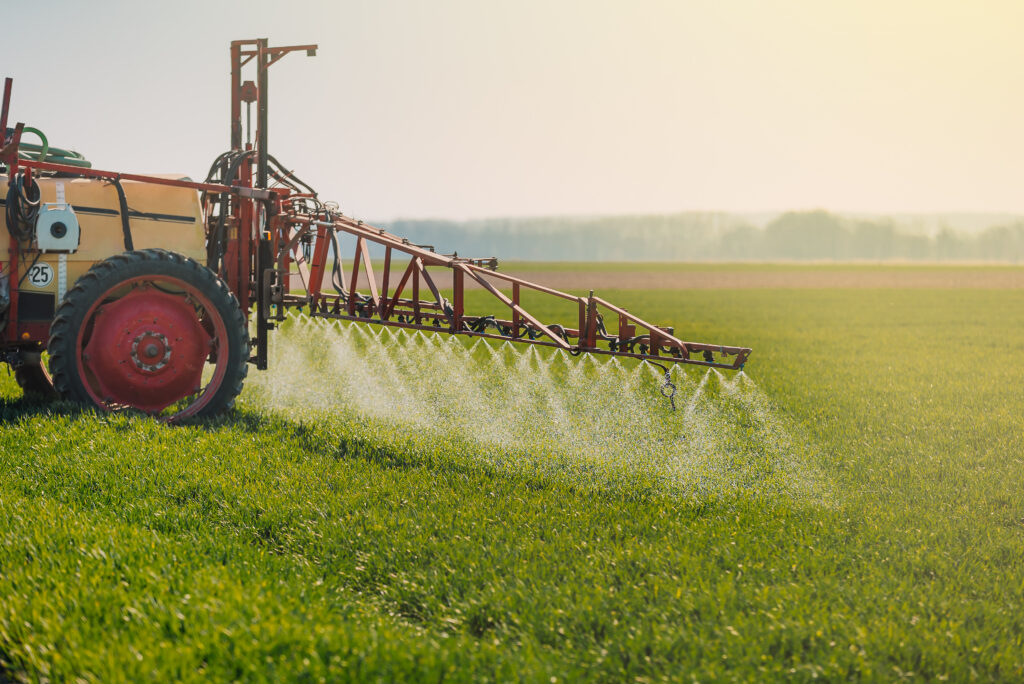
A recent spell of hot weather in parts of rural America has raised crucial questions about the timing of post-emergence weed control in soybeans. Farm Director KC Sheperd spoke with Dr. Rodrigo Werle, an associate professor of weed science at the University of Wisconsin, about his recommendations for spraying when temperatures rise. He emphasizes that while crops are actively growing, problematic weeds like waterhemp are also thriving. Waterhemp thrives in conditions that combine plenty of soil moisture with intense heat, causing it to grow rapidly. Growers are urged to act quickly, as waiting even a week could allow the weeds to become too tall to manage effectively.
While this advice comes from the Midwest, the agronomic clock aligns precisely with what row-crop producers are experiencing across Oklahoma. Full-season soybeans planted earlier in the spring are rapidly approaching critical reproductive stages, while double-crop beans planted immediately after the winter wheat harvest are emerging into intense summer heat. For both systems, the window to execute effective post-emergence weed management strategies is open right now.
Managing Crop Injury Concerns
While rapid weed growth demands immediate attention, spraying under warm conditions presents its own set of challenges, particularly regarding crop injury. For farmers who already applied a post-emergence training application a week or ten days ago, it is critical to hit the fields and monitor the results. If the initial application achieved good control, the field is set; however, if escapes or waterhemp regrowth are visible, there is an opportunity for a respray to prevent the weeds from producing more seed and compounding future management issues.
For fields requiring a respray, the primary recommendation is to utilize glufosinate, commercially known as Liberty herbicide. It is important to note the specific guidelines for this application:
- There must be a five-day window between herbicide applications.
- Liberty must be sprayed before the soybeans reach the R1 growth stage.
- Growers must carefully monitor both crop growth stages and weed regrowth to execute this scenario successfully.
This R1 deadline is a critical focal point for Oklahoma growers this week. With pigweed species like waterhemp capable of growing multiple inches per day under July temperatures, waiting too long can push the crop into its flowering stage, legally closing the window for over-the-top Liberty applications.
First-Time Post-Emergence Applications
For farmers deploying their first post-emergence application of the season—particularly on younger, double-crop acres—the strategy shifts slightly, especially if a strong pre-emergence program was already utilized. In fields planted with Enlist E3 soybeans—the genetics cultivated by a majority of regional growers—the standard recommendation is a tank mix of Enlist One plus Liberty.
To ensure the effectiveness of this combination, growers must include enough ammonium sulfate (AMS) in the tank for the Liberty herbicide to work properly. Additional details and insights on these weed management recommendations can be found at badgercropnetwork.com.







