

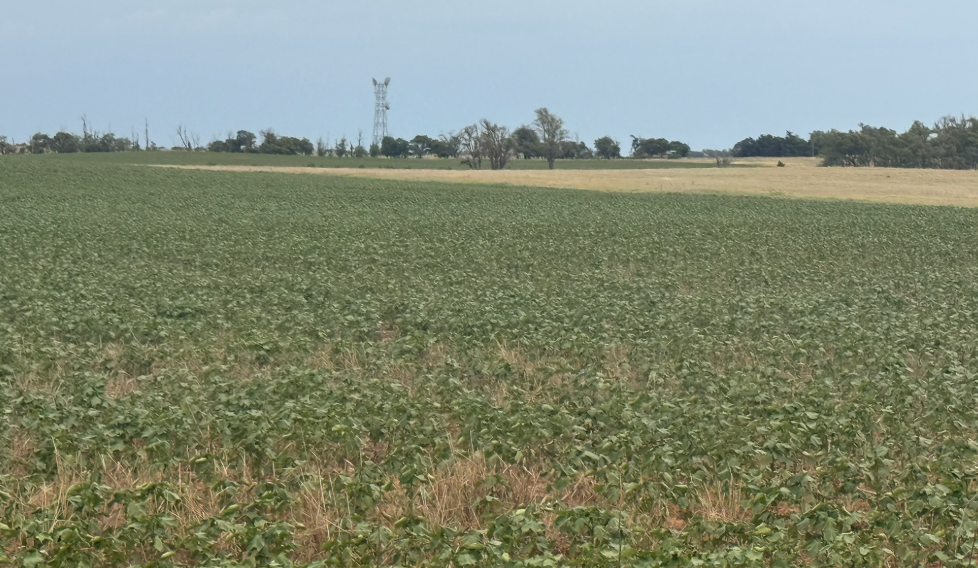
The Oklahoma cotton crop is showing highly variable conditions across the state this season, characterized by notable field-to-field differences. Recent tours through Western Oklahoma reveal a mixed landscape, which aligns with broader observations statewide. Areas along the I-40 corridor that received timely rainfall after being “dusted in” are progressing well, though producers note that additional moisture is universally needed. In contrast, dryland fields in Southwest Oklahoma and areas outside established irrigation districts are experiencing increasingly dry conditions. While these pockets are holding on, regular rainfall remains the consistent priority for the region’s growers.
Regional Trial Performance and Soil Conditions
Field trials reflect these localized weather patterns, with outcomes varying dramatically by location. A recent Soil Health Institute field day highlighted a trial outside of Hollis in Harmon County, which has shown strong potential following a substantial amount of rainfall. However, extension specialists note that late July and early August represent the critical window when moisture levels directly impact final yields. Comprehensive assessments of how deep moisture profile levels extend into the soil structure are still ongoing. Currently, the overall Oklahoma cotton crop is rated at approximately 41% good to excellent, a number that reflects the stark contrast between irrigated or rain-favored pockets and struggling dryland acreage.
Critical Management Decisions and Pix Application
For producers managing viable fields, plant growth regulation is currently the top priority. Managing the crop profile involves careful monitoring of plant development to determine when to apply growth regulators like mepiquat chloride (Pix).
- Measurement Technique: A reliable method for determining application timing is measuring the internode length between nodes four and five, counting down from the terminal at the top of the plant.
- Application Trigger: If the length of this specific internode exceeds two to three inches, it serves as a strong indicator that a Pix application is warranted.
- Rate Determination: Typical application rates range between 12 and 16 ounces per acre, though specific decisions must factor in fruit retention, harvest equipment type (picker versus stripper), and immediate weather forecasts.
- Weather and Insect Factors: Anticipated rain within a 10-day forecast or high fruit retention may justify an increased rate. Conversely, fields that have suffered fruit shedding due to insect pressure or drought stress will naturally attempt to grow taller, as the plant redirects energy away from reproductive growth and into vegetative height.
Weed Control and Insect Scouting Priorities
Weed pressure remains a consistent challenge across production areas, requiring diligent management. While cooperator research trials generally maintain high levels of weed suppression, late-season escapes are common. Depending on the specific weed species present in the field, targeted applications of products such as Roundup or Liberty remain the standard recommendation for maintaining clean rows.
In addition to weed management, insect scouting is entering a critical phase as plants transition from squaring to boll development.
| Growth Stage | Primary Insect Targets |
| Square Setting | Fleahoppers, Plant Bugs |
| Boll Setting | Stink Bugs |
While no widespread, catastrophic insect infestations have been reported, localized management is underway. Producers in Southwest Oklahoma have already initiated targeted spraying for fleahoppers. Central Oklahoma fields historically experience higher insect population densities, making consistent scouting imperative. Protecting early fruit retention is essential for securing final yield potential.
Acreage Expansion Trends
According to the USDA acreage report released at the end of June, Oklahoma producers planted approximately 450000 acres of cotton this season. This figure represents a noticeable increase from the previous year, which concluded with roughly 370000 planted acres. This expanded footprint highlights a sustained momentum for cotton production in the state, provided late-season weather patterns allow the crop to reach a successful harvest.