
The Office of the U.S. Trade Representative (USTR) opened an investigation under Section 301 of the Trade Act of 1974 to determine if Brazil is engaging in certain practices that are unreasonable and burden or restrict U.S. commerce.
In that investigation, the USTR determined that, among other things, Brazil maintains unfair, preferential tariffs; Brazil does not properly conduct anti-corruption enforcement; and Brazil does not take necessary actions to stop illegal deforestation. These are just three of the seven findings made pursuant to the investigation.
Now, Section 301 of the Trade Act of 1974 authorizes the USTR to take actions, subject to the direction of the President, to eliminate the acts, policies and practices found to be unreasonable and that burden or restrict U.S. commerce.
The USTR is specifically authorized to “impose duties or other import restrictions” on the goods of Brazil to encourage Brazil to correct its harmful acts, policies and practices.
To this end, the USTR proposes to apply tariffs of 25% on all goods of Brazil, but with exemptions for certain goods.
We fully agree with the USTR that goods from Brazil should be subject to a 25% tariff. But we strongly disagree with the USTR’s proposal to exempt all Brazilian beef products from the new tariff. The USTR proposes exempting all fresh, chilled and frozen beef, including carcasses, meat cuts, high-quality meat cuts, offal, tongues and livers, and processed beef, and beef variety meats from the proposed tariff.
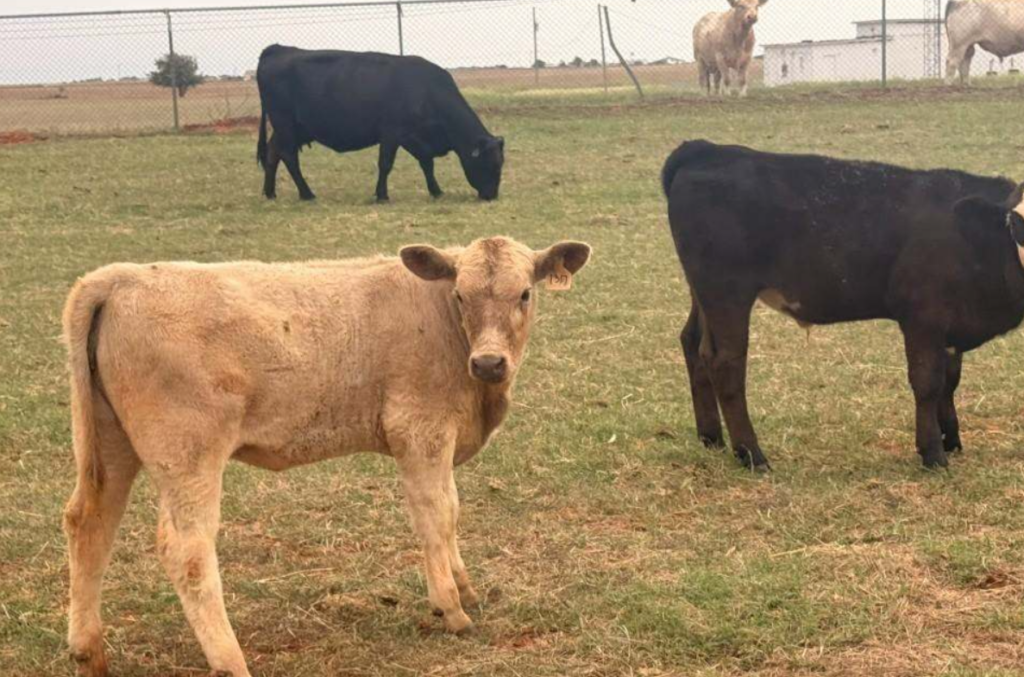
Exempting Brazilian beef is nonsensical, particularly when the USTR has expressly found that Brazilian cattle operations are a primary cause of illegal deforestation. Indeed, the USTR cited a study estimating that “between 2018 and 2022, cattle ranching drove 78% of commodity-attributed deforestation.” The investigation further explained that cattle raised illegally on deforested land can be laundered through legitimate Brazilian slaughterhouses, and that Brazilian ranchers are known to bribe government officials to hide their illicit deforestation activities.
These are compelling reasons for the USTR to impose a 25% tariff on all Brazilian beef.
So why is the USTR proposing to exempt beef despite finding a direct nexus between Brazilian cattle raising and illegal Brazilian deforestation, which the Trade Representative states in his findings must be stopped?
The answer is that the USTR developed a list of Brazilian goods that it thinks are needed by the United States, either because tariffs could lead to the unavailability of U.S. supply; could cause economywide disruptions in the U.S.; or because the U.S. cannot produce enough beef on its own or obtain sufficient quantities of beef from other sources; or that tariffs on Brazilian beef would not help to curb Brazil’s illegal deforestation.
We can dismiss this last criterion outright. If tariffs on other goods produced in other sectors are expected to reduce demand for those goods, thus helping to curb Brazil’s nefarious acts, policies and practices in those other sectors, then reducing U.S. demand for Brazilian beef with higher tariffs should likewise be expected to curb the incentive for illegal deforestation.
The remaining criteria, those that address available supply in the U.S. market and suggest the U.S. is incapable of producing enough beef and therefore needs additional beef from Brazil, are not only inapplicable to the U.S. beef supply but also extremely harmful to the future of the U.S. cattle industry.
Brazil had long been banned from exporting fresh beef to the U.S. due to foot-and-mouth disease (FMD) restrictions. And so, for decades, it only exported processed or precooked beef, such as beef jerky. Since the turn of the century through 2019, Brazil exported the live cattle equivalent of 274,000 cows per year in the form of processed beef. But from 2020 through 2025, after FMD restrictions were removed, Brazil’s exports to the U.S. exploded. During the past four years, from 2022 through 2025, the U.S. imported the live-cattle equivalent of more than 1 million cows on average from Brazil during each of those years.
During those past four years, the U.S. should have been expanding its severely diminished cattle herd, but such an expansion hasn’t yet started. And why would it when the U.S. is importing record volumes of beef – in 2025, the U.S. imported the live-cattle equivalent of 9.3 million cows, with more than 1.5 million of those live cattle equivalents imported from Brazil. Now note: That’s nearly the same number of beef cows that have been purged from our industry due largely to failed trade policies since 1980.
There’s an old cowboy saying: When you find you’ve dug yourself into a hole, the first thing to do is stop digging. Well, let’s stop digging our hole with Brazil by imposing meaningful tariffs on Brazilian beef to discourage year-over-year record imports that are displacing opportunities for our domestic industry to rebuild.