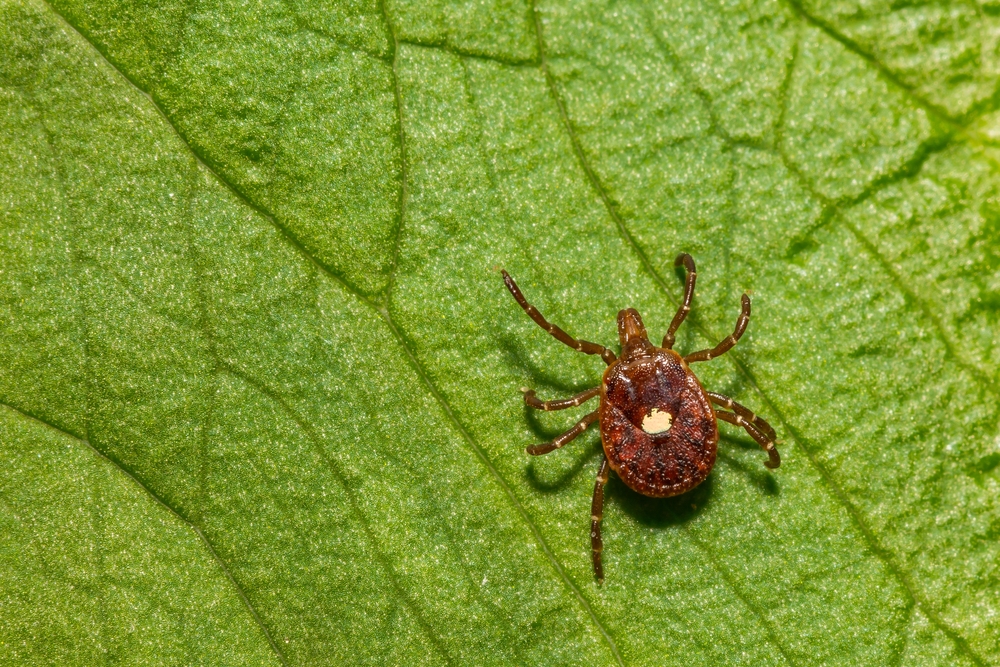
With the arrival of warmer weather, descriptions of an intense tick season are circulating among communities and agricultural circles alike. To separate myth from fact, Farm Director KC Sheperd sat down with Dr. Jonathan Cammack, an entomology expert from Oklahoma State University, to discuss what is driving current tick dynamics, the expanding footprint of specific species, and essential precautions for people and livestock.
The Illusion of a “Bad” Tick Year
A common talking point each summer is whether the current year represents an unprecedented spike in tick numbers. However, looking solely at recent weather patterns provides an incomplete picture.
“It’s really hard for us to say, oh, it’s going to be a bad year for ticks, or even that it is a bad year for ticks,” Cammack explained.
The biological timeline of native ticks spans far beyond a single season. For most native species, completing development from an egg laid by a female tick in late summer through successive life stages takes two to three years.
“Really, we can’t say, ‘ Oh, we had a good hard freeze; we’re not going to have any ticks this year,” Cammack noted. “A lot of times, we’re wanting to know what kind of localized weather patterns were like two years ago, or even three years ago.” Because of this extended lifecycle, current tick variations reflect environmental conditions from multiple seasons past, making year-to-year predictions highly complex.
Encroaching Habitats: Eastern Red Cedars and the Lone Star Tick
While overall population tracking is complex, changes in distribution are much clearer. The lone star tick, historically concentrated primarily in the eastern half of the United States and the coastal plains, has been steadily expanding its range westward into the Central Plains.
This shift is directly linked to changes in regional vegetation—specifically, the aggressive spread of the Eastern Red Cedar tree.
“As Eastern Red Cedar trees have continued to expand westward across the central part of the country, that has basically created the perfect habitat for things like our native lone star ticks to also be able to expand their distribution across the states,” Cammack stated.
The dense brush and canopy provided by encroaching cedar trees retain the moisture and shelter that lone star ticks require to survive, effectively pulling westward as the woodland habitat expands.
Understanding Alpha-Gal Syndrome
The expansion of the lone star tick has brought increased attention to Alpha-Gal Syndrome, a unique health condition linked to its bite. Unlike traditional tick-borne illnesses caused by bacteria or viruses, Alpha-Gal Syndrome is an allergic reaction.
When a tick bites a host to take a blood meal, it does not simply extract fluid; it injects saliva containing a variety of compounds. This saliva acts as a mild anesthetic to mask the bite and prevents blood from coagulating, allowing the insect to feed efficiently.
In the case of the lone star tick, this saliva frequently carries a sugar molecule known as alpha-gal.
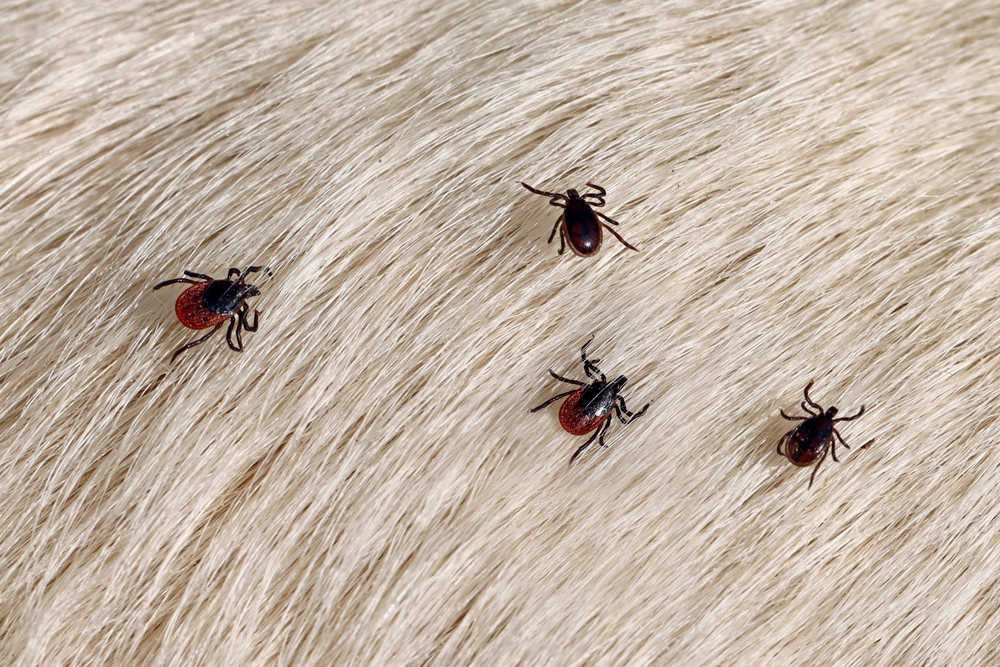
“Ticks, such as the lone star tick, have been shown to have this sugar molecule… present in their saliva,” Cammack said. “We don’t know if it’s naturally there or if they pick it up from feeding on a cow, for example, at some point in their life. But when they blood feed on us, and they inject that saliva, some of this sugar molecule gets essentially injected into our bloodstream.”
The human immune system can recognize this molecule as foreign, triggering a sensitization process over the subsequent two to six months. If an individual later consumes mammalian meat (such as beef, pork, or lamb) or dairy products containing alpha-gal, they can experience a severe allergic reaction.
The condition first gained formal recognition around 2010, though delayed symptom onset makes it difficult to diagnose initially.
“Usually two to maybe eight hours later, you start to have a reaction, and that reaction is usually like an upset stomach, some gastrointestinal issues,” Cammack noted. “A lot of times, people think that they’ve got food poisoning.” Because the reaction occurs hours after dining, many do not connect a middle-of-the-night stomachache to a steak eaten hours earlier, or a tick bite suffered months prior.
While some individuals have been shown to fully recover from Alpha-Gal Syndrome over time, Cammack cautioned that it remains a long and challenging process. Furthermore, not every lone star tick carries the sugar molecule, and not every person bitten will develop the allergy or experience the same severity of symptoms.
Proper Tick Check and Removal Protocols
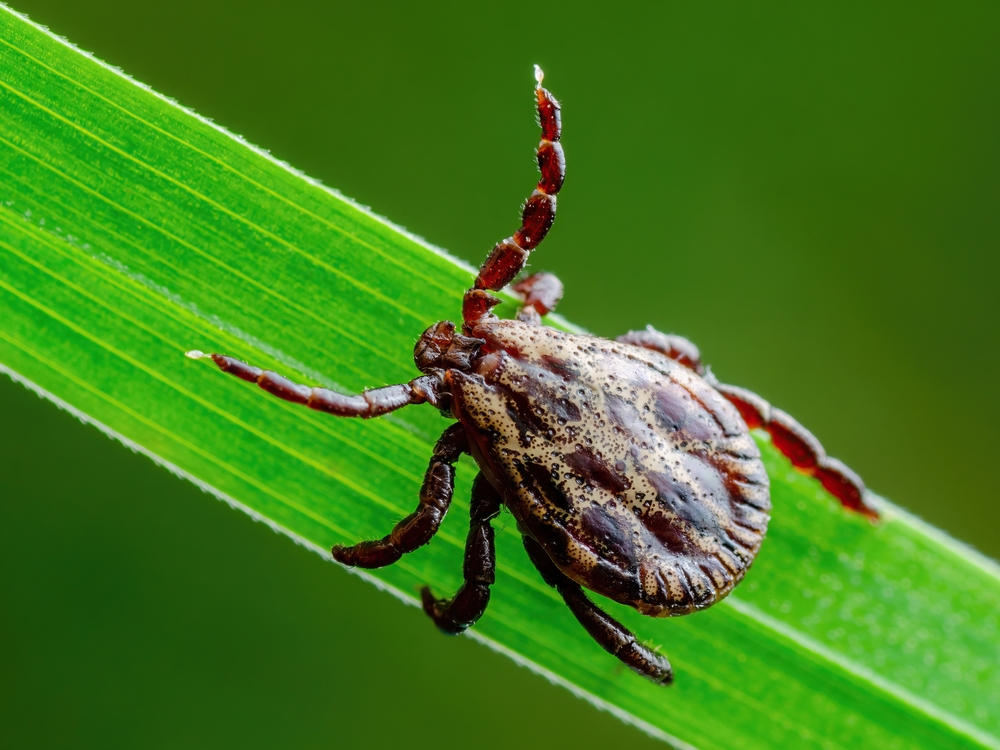
Preventing tick-borne issues relies heavily on consistent inspection and correct removal techniques. After spending time in wooded or tall-grass areas, a thorough tick check is critical. Ticks typically crawl upward until they hit a restriction in clothing, making socks lines, belt lines, and waistbands primary areas to inspect.
If an attached tick is discovered, proper removal is vital to reduce the risk of pathogen transmission:
- Use Fine-Tipped Tweezers: Grasp the tick’s mouthparts as close to the skin’s surface as possible.
- Pull Straight Out: Use steady, even pressure to pull the tick straight out. Avoid jerking or twisting, as this can cause the mouthparts to break off and become embedded in the skin.
- Do Not Suffocate or Burn: Traditional home remedies like applying petroleum jelly, nail polish, or a hot match should be avoided. “If you burn it or if you suffocate it, its initial reaction is essentially going to be to regurgitate,” Cammack warned. This defensive mechanism can actively force pathogens from the tick’s digestive tract directly into the host’s bloodstream.
- Save the Specimen: Place the removed tick into a sealed plastic bag, write the date on it, and store it in the freezer. Having the physical specimen can be highly useful for identification and medical assessment should symptoms develop later.
Proactive Management and Prevention Strategies
Protecting both humans and livestock from ticks requires targeted chemical preventative strategies.
For personal protection, standard insect repellents containing DEET offer minimal efficacy against arachnids. Instead, Cammack recommends using permethrin-based products to treat clothing and outdoor gear. Treated clothing should be allowed to dry completely before use and should never be applied directly to bare skin.

For domestic pets, modern veterinary medicine offers highly effective combination preventatives. Cammack highlights products that utilize the isoxazoline class (such as fluralaner, found in brands like Bravecto), which provide robust internal systemic protection against fleas and ticks for dogs and cats.
With Permethrin livestock management, producers can utilize seasonal routines to mitigate tick burdens. Spring cattle working protocols often include administering macrocyclic lactone dewormers (such as doramectin), which provide systemic control against target tick species and internal parasites. Additionally, topical pour-ons and sprays designed for fly control can offer secondary protection against ticks.
However, environmental exposure limits the lifespan of these treatments. Sun, heavy rainfall, and pasture dust accelerate the breakdown of topical livestock treatments, meaning producers must monitor herds closely as seasonal weather fluctuates. Ongoing surveillance across the region includes university and veterinary laboratories regularly sampling local populations to monitor tick-borne bacteria and track emerging regional pressures.