Oklahoma cotton crop conditions across the state show significant contrast as producers navigate bloom and boll fill under persistent heat and severe drought conditions. Farm Director KC Sheperd recently spoke with Oklahoma State University Cotton Extension Specialist Jenny Dudak to discuss the current state of the crop, pest pressures, and harvest aid strategies.
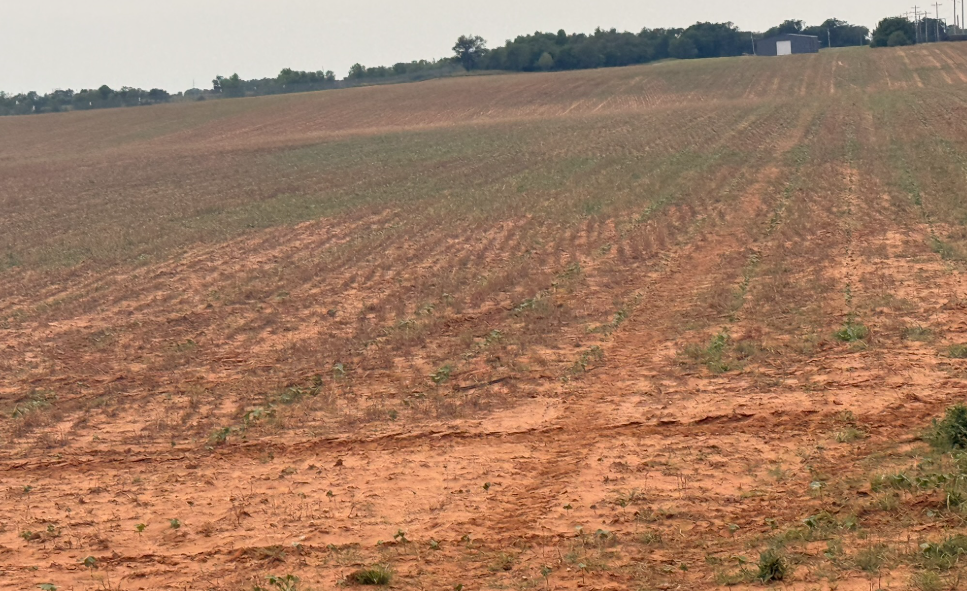
While irrigated fields with solid water capacity continue to look good, dryland acres across Oklahoma are suffering severely due to ongoing drought stress. Although heat unit accumulations remain close to the five-year average, the defining factor for this season has been extreme moisture deficit. Many acres were dusted in at planting, and while early rains brought the crop up, dry weather returned quickly to stall momentum.
Pest Management Concerns
Overall insect pressure has remained relatively low, but growers are urged to stay vigilant. Stink bugs represent the primary concern at this stage, as soft, developing bolls remain highly susceptible to damage.
Additionally, producers should monitor for cotton jassids. While jassids have been confirmed in Grimes County, Texas—arriving nearly two months earlier than in previous years—they have not yet been detected in Oklahoma. OSU Extension specialists, including entomologist Dr. Ashley Ferris and IPM specialist Maxwell Smith, have deployed yellow sticky traps across Southwest and Western Oklahoma to monitor potential infestations.
Late-Season Management and Harvest Aids
As fields reach the end of the blooming period, growers must evaluate their last effective bloom date. In many dryland fields blooming out at the top, additional rainfall at this stage is unlikely to benefit yield potential, as late-formed bolls will not have sufficient time or resources to mature. Focus must remain on protecting existing fruit.
For fields with harvestable yield, producers should begin planning harvest aid applications based on specific field conditions:
- Timing: Apply harvest aids when fields reach 60% to 75% open bolls, or when the uppermost harvestable boll is four nodes above the highest cracked boll.
- Boll Maturity: Ensure unopened upper bolls are mature, displaying dark seed coats and no gelatinous interior.
- Product Selection: On drought-stressed plants with tough leaves, PPO herbicides may prove more effective at defoliation.
- Weather Forecasts: Check the 14-day outlook. Temperatures above 80°F may require reduced defoliant rates to prevent leaf stick, whereas cooler weather may necessitate higher rates for target efficacy.
- Yield Potential: Factor in harvest methods (stripper vs. picker) and balance product costs against expected returns to protect overall field profitability.
For a significant number of producers, however, the severe environmental conditions have already taken a complete toll. Across several dryland acres—particularly through Southwest and Western Oklahoma along the I-40 corridor—the crop is already effectively done, with fields experiencing severe drought stress and fruit loss beyond the point where late-season moisture can provide any recovery.