

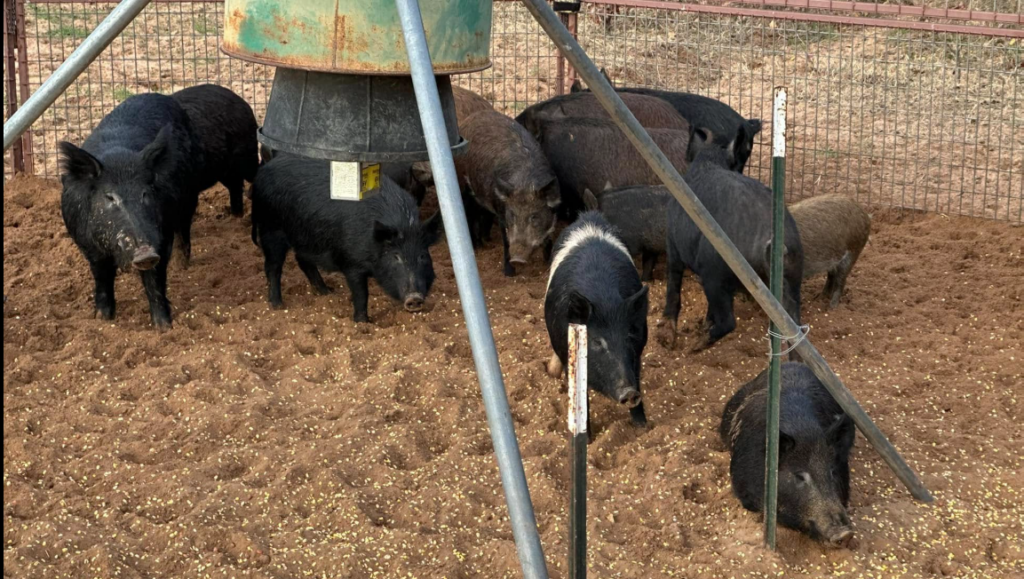
Over the past decade, the rapid expansion of feral swine populations across the United States has caused severe environmental and agricultural damage, prompting the U.S. Department of Agriculture (USDA) to scale up targeted eradication and control programs. Feral swine pose a destructive threat by rooting, trampling, and degrading native ecosystems, wiping out crops, and damaging property, including fences, buildings, and equipment. Because these invasive pests adapt quickly to diverse environments, consume a wide variety of food sources, possess high reproductive rates—with a single sow capable of producing 12 to 14 piglets annually—and lack natural predators, controlling their spread requires aggressive and coordinated management strategies.
Rod Bain of the USDA reported on the ongoing multi-agency initiatives designed to curtail these invasive populations. Dana Cole of the USDA Animal and Plant Health Inspection Service (APHIS) Wildlife Services noted that the agency has assisted private landowners with feral swine damage management for decades, supported by continuous congressional appropriations since 2014. To improve eradication efficiency, USDA researchers, including John Kilgo of the U.S. Forest Service, have evaluated whole-sounder removal techniques using advanced smart traps. In trial areas, capturing entire herds simultaneously reduced feral swine density by approximately 53% compared to pre-trapping levels.
Feral hogs inflict tens of millions of dollars in damages annually across Oklahoma, presenting one of the most persistent and costly threats to the state’s agricultural sector. Their destructive rooting and wallowing behaviors tear up established pasture, degrade soil quality, and decimate row crops like winter wheat, corn, and peanuts. Beyond direct crop and rangeland loss, the deep ruts and wallows left behind frequently cause severe, expensive mechanical damage to tractors, haying equipment, and combines. Livestock producers face compounded challenges, as wild hogs actively compete with cattle for supplemental feed and grazing resources, contaminate stock ponds and waterways with bacterial pathogens, and act as vectors for devastating livestock diseases such as swine brucellosis, pseudorabies, and leptospirosis. In addition to biosecurity and forage risks, opportunistic predation by feral swine on newborn livestock further threatens ranch profitability, forcing producers and wildlife management agencies to invest significant time and financial capital into ongoing trapping, aerial eradication, and mitigation efforts.
The collaborative framework expanded significantly under the 2018 Farm Bill, which funded a joint pilot program between APHIS and the Natural Resources Conservation Service (NRCS). This partnership delivers direct operational control through APHIS while enabling NRCS to provide landowner assistance, trap-loan programs, technical training, and land restoration services.
Under Secretary for Farm Production and Conservation Richard Fordyce highlighted that recent funding through the One Big Beautiful Bill Act continues to support the initiative, providing $35 million in NRCS partner grants across 14 eligible states. Fordyce explained that partner entities, such as state departments of conservation and natural resources, will work directly with NRCS to implement localized eradication strategies tailored to the needs of each state. Landowners and partner organizations can access full pilot program guidelines, partner applications, and state-specific details at nrcs.usda.gov by searching for the Feral Swine Eradication Program.
Oklahoma Feral Hog Control: Regulations, Trapping Assistance, and Landowner Eradication Programs
Private Land Take & License Rules
- Daylight Hours: On private property, feral hogs can be taken year-round with landowner permission without requiring an Oklahoma hunting license. (One specific nuance: during an open big-game rifle or muzzleloader season, anyone hunting hogs with firearms larger than .22 caliber rimfire must carry the appropriate deer/big-game license for that season unless exempt).
- Shooting Hours: General daylight shooting hours are defined as one-half hour before official sunrise to one-half hour after official sunset.
Night Shooting & Exemption Permits
- ODWC Exemption: Free, property-specific night hunting exemptions are issued through the Go Outdoors Oklahoma portal to the deed-holding landowner or one designated individual.
- Optics & Lights: Night vision, thermal imaging scopes, headlights, and vehicle-mounted spotlights are fully legal on private land under the exemption.
- Deer Gun Season Restriction: During Oklahoma’s 16-day November deer gun season, only the landowner, their designee, or immediate family may shoot at night, and advance notification (text, call, or email) to the local game warden is mandatory.
- OTC Ag Exemption: Agricultural producers holding a valid Oklahoma Tax Commission (OTC) ag exemption permit have statutory protection to control depredating feral swine day or night without standard season or bag limits (except during regular deer gun season where standard warden notice rules apply).
Live Swine Transport & Release Laws
- Under the Oklahoma Feral Swine Control Act, transporting live feral hogs without an ODAFF Transporter License is illegal.
- Live hogs may only be moved directly to approved slaughter facilities, licensed handling facilities, or licensed sporting facilities.
- Intentionally releasing feral hogs into the wild is a felony offense punishable by fines and up to two years in prison (with a narrow exception for authorized 24-hour “Judas pig” tracking programs).
Depredation, Eradication & Agency Assistance
- Wildlife Services Contact: The ODAFF / USDA-APHIS Wildlife Services direct line for Oklahoma landowner depredation support is officially (405) 521-4039.
- Aerial Depredation Permits: ODAFF issues aerial gunning permits allowing private contract helicopter crews to conduct aerial eradication over contiguous acreage.
- Eradication Methodology: State biologists and ag extension specialists (OSU Extension and Noble Research Institute) advise against single-catch box traps due to sounder education and dispersal, recommending large-scale drop/net corral systems (e.g., Pig Brig, BoarCommand, Jager Pro) for complete sounder removal.







