

Three finalists have been selected for the 2026 Oklahoma Leopold Conservation Award®. The award honors farmers, ranchers, and forestland owners who go above and beyond in their management of soil health, water quality, and wildlife habitat on working land.
Named in honor of renowned conservationist Aldo Leopold, this award recognizes landowners who inspire others with their dedication to environmental improvement. In his influential 1949 book, A Sand County Almanac, Leopold advocated for “a land ethic,” an ethical relationship between people and the land they own and manage.
Sand County Foundation and national sponsor American Farmland Trust present Leopold Conservation Awards to private landowners in 28 states. In Oklahoma, the award is presented with Noble Research Institute, Oklahoma Farm Bureau Foundation for Agriculture, ITC Great Plains, Oklahoma Conservation Commission, and the U.S. Department of Agriculture’s Natural Resources Conservation Service.
The finalists are:
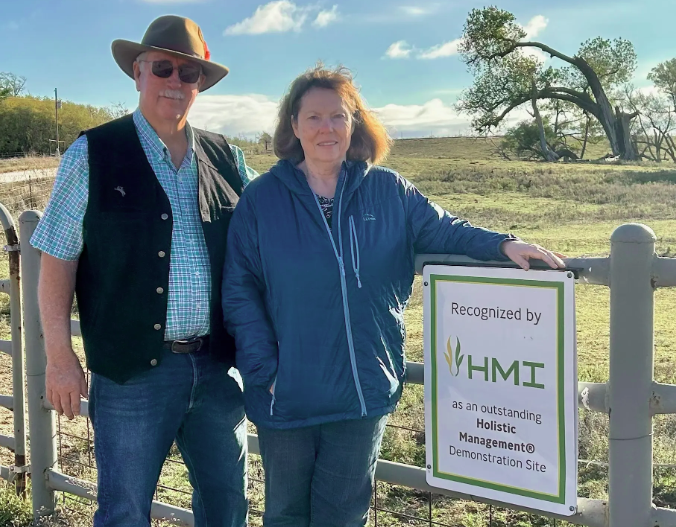
Kim Barker and family of Waynoka in Woods and Alfalfa counties: The desire to improve soil health and grow more grass drives Kim Barker, who ranches with his daughters Juli and Lacey. With help from county conservation district, they built waterline and configured fences to create more than 70 grazing paddocks at Walnut Creek Farms. Rotationally grazing cattle and sheep has led to an increase in native forbs and legumes, and other biodiversity on the landscape. Several acres of large cedar trees have been removed by cutting and burning.
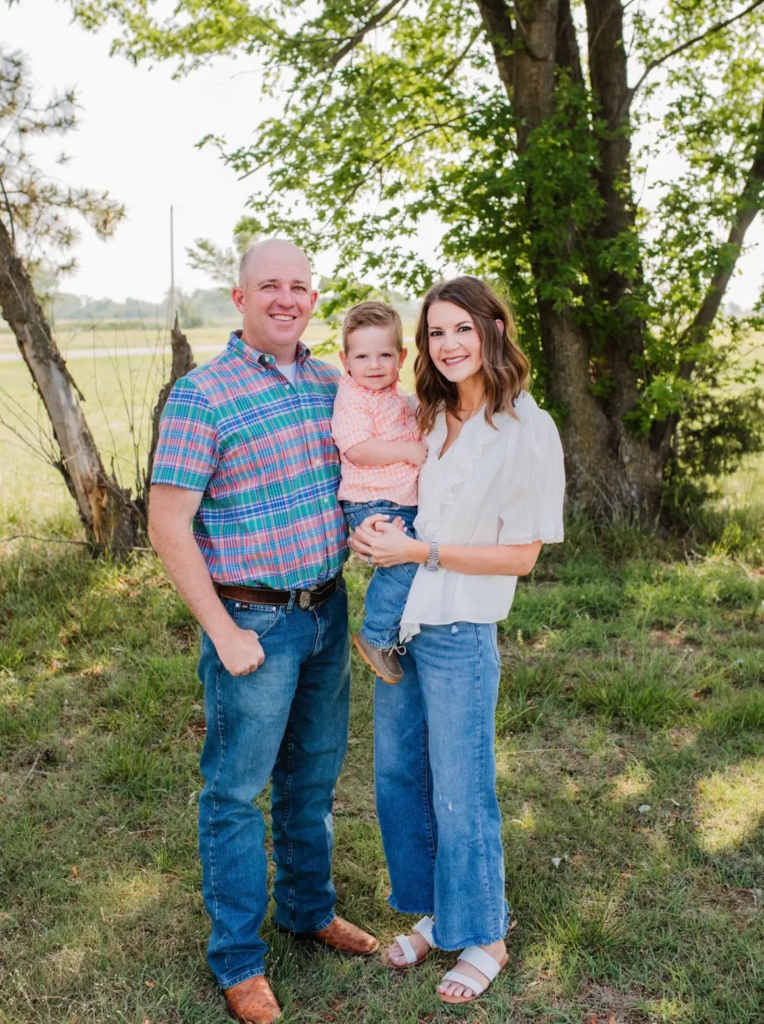
Matt Braun and family of Hobart in Kiowa County: Matt and Kari Braun grow dryland wheat, cotton, sesame, sorghum, canola, and beef cattle in an arid region near the Quartz Mountains. Growing cool and warm season cover crop mixes creates another crop to harvest or graze, maintaining biological activity that feeds and protects the soil. Grid soil sampling documents gradual increases in soil organic matter, while diversified rotations, reduced fuel consumption, and improved water infiltration strengthen the farm’s ecological and economic foundations.
Tom Cannon and family of Blackwell in Kay County: Decades of practicing no-till farming have taught Tom and Laurie Cannon that some of agriculture’s most important work happens where few people ever look. In the soil exists a complex community of insects, microorganisms, beneficial fungi, and earthworms working together to recycle nutrients and improve soil structure. Leaving crop residue on the surface protects their fields from strong winds and heavy rains, which provides productive crops, clean water and thriving wildlife.
Oklahoma landowners were encouraged to apply, or be nominated, for the award. An independent panel of Oklahoma agricultural and conservation leaders evaluated the applications. The award recipient, who receives $10,000, will be recognized this winter.
Sand County Foundation’s Oklahoma Leopold Conservation Award is made possible thanks to the generous contributions from American Farmland Trust, Noble Research Institute, ITC Great Plains, Oklahoma Farm Bureau Foundation for Agriculture, U.S. Department of Agriculture’s Natural Resources Conservation Service, Oklahoma Conservation Commission, Oklahoma Association of Conservation Districts, and the Emmons Family.
“The quality and depth of the applicants and finalists for this year’s Leopold Conservation Award shines a spotlight on conservation’s leaders in Oklahoma. Honestly, I keep thinking we will run out of worthy candidates, but the quality just gets better and better. These farmers and ranchers set a high standard in conserving, protecting, and restoring our natural resources. Congratulations, good luck and keep up the good works,” said Trey Lam, Oklahoma Conservation Commission Executive Director.
“The Leopold Conservation Award is well-recognized across the nation as the highest standard of land conservation excellence. To be recognized as a finalist is indeed an honor to the individual and their dedicated efforts to conservation,” said Hugh Aljoe, Noble Research Institute Director of Ranches, Outreach, and Partnerships. “Conservation accrues over a sustained period of intentional planning, activities, and monitoring and we are proud to recognize these Oklahoma leaders in demonstrated conservation management.”
“These outstanding finalists for the Oklahoma Leopold Conservation Award are an inspiration and a powerful reminder of how mindful agricultural practices contribute to clean water, healthy soil and thriving wildlife habitats,” said Patrick Woods, President of ITC Great Plains. “ITC is firmly rooted in environmental responsibility and proud to support farmers whose dedication to conservation is making Oklahoma a better place for everyone.”
“The finalists for this year’s Leopold Conservation Award showcase the innovative, forward-thinking mindset agricultural producers must have to sustain the agriculture industry into the future, said Kerry Givens, Oklahoma Farm Bureau Foundation for Agriculture President. “These three finalists are outstanding stewards of the land entrusted to them, and we are proud to have agricultural leaders like these representing our state and our industry.”
“These operations highlighted through the Oklahoma Leopold Conservation Award selection process are shining examples of how embracing diversity in crop production and management can lead to lasting conservation benefits,” said J. Matthew Denton, Oklahoma NRCS, Acting State Conservationist. “By cultivating a range of crops, both cool and warm season cover crop mixes, and livestock, they demonstrate how a systems approach can play a key role in improving soil health. These approaches keep the biological activity vibrant, which feeds and protects the soil and helps to increase organic matter, improve aggregate stability, and reduce compaction in their soils. As climatic turmoil becomes more prevalent, their management proves that varied production and conservation strategies can truly build resilience for the future.”
“These award recipients are examples of how Aldo Leopold’s land ethic is alive and well today,” said Kevin McAleese, Sand County Foundation President and CEO. “Their dedication to conservation is both an inspiration to their peers as well as a reminder to all how important thoughtful agriculture is to clean water, healthy soil, and wildlife habitat.”
“As the national sponsor for Sand County Foundation’s Leopold Conservation Award, American Farmland Trust celebrates the hard work and dedication of the award recipients,” said John Piotti, AFT President and CEO. “At AFT we believe that exemplary conservation involves the land itself, the practices employed on the land, and the people who steward it. This award recognizes the integral role of all three.”







