
The Senate Committee on Agriculture, Nutrition, and Forestry took a pivotal step forward Wednesday by advancing the Agricultural Act of 2026 out of committee. The party-line vote breaks a legislative stalemate that stalled the package in August and sets the stage for full Senate floor consideration as the current farm bill extension approaches its September 30 expiration.
For Oklahoma farmers and ranchers navigating elevated input costs, prolonged drought cycles, and volatile commodity markets, the committee’s action signals movement toward long-awaited policy updates not overhauled since 2018.
Key Priorities for Oklahoma Agriculture
The Senate committee’s package, dubbed “Farm Bill 2.0,” incorporates several critical provisions aimed directly at production agriculture across the southern Plains:
- Strengthened Safety Net and Risk Management: Modernizes Title I commodity programs to adjust statutory reference prices, better reflecting current inflationary pressures and input costs on wheat, grain sorghum, and other key regional crops.
- Livestock and Drought Protections: Enhances disaster assistance frameworks and introduces greater flexibility into federal conservation programs to help cattlemen manage grazing lands during severe dry spells.
- Crop Insurance Protections: Defends and enhances federal crop insurance subsidies, keeping vital risk management tools affordable and accessible across unpredictable growing seasons.
- Biofuel Market Access: Formally authorizes year-round sales of E15 fuel, a measure long sought by grain producers to expand domestic demand for corn and biofuels.
How the Bill Cleared Committee
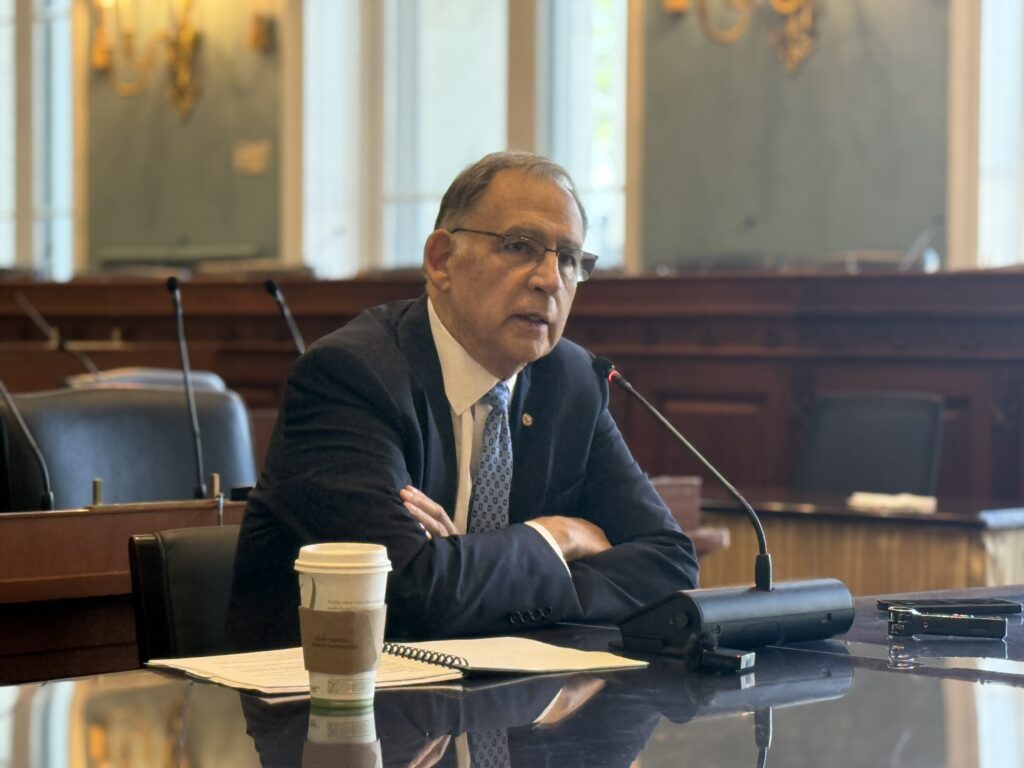
The measure advanced following the return of Senator Mitch McConnell to Capitol Hill, restoring the panel’s 12-to-11 Republican majority needed to move the legislation forward after an August markup ended in deadlock. Committee Chairman John Boozman pushed the package through despite continued party-line divisions over Supplemental Nutrition Assistance Program (SNAP) administrative cost-sharing requirements and program spending.
The Road Ahead on Capitol Hill
While Wednesday’s vote represents the furthest the Senate has advanced a comprehensive farm bill draft this cycle, significant hurdles remain before a bill reaches the president’s desk:
- Full Senate Floor Vote: The package must secure floor time and cross a 60-vote threshold to overcome procedural filibusters, requiring bipartisan compromise that was absent during committee markup.
- House-Senate Conference: If passed by the full Senate, lawmakers must reconcile the measure with the House’s previously passed bill—the Farm, Food, and National Security Act—in a conference committee.
- The September 30 Deadline: With the 2018 farm bill extension expiring at the end of the month, agricultural leaders continue urging congressional leadership to prioritize a final deal or prepare another stopgap measure to avoid lapsing critical dairy and commodity provisions.
Agricultural organizations across Oklahoma and the nation continue to emphasize that a finalized, five-year farm bill remains essential to providing rural producers with the financial certainty needed to secure operating loans for the coming crop year.