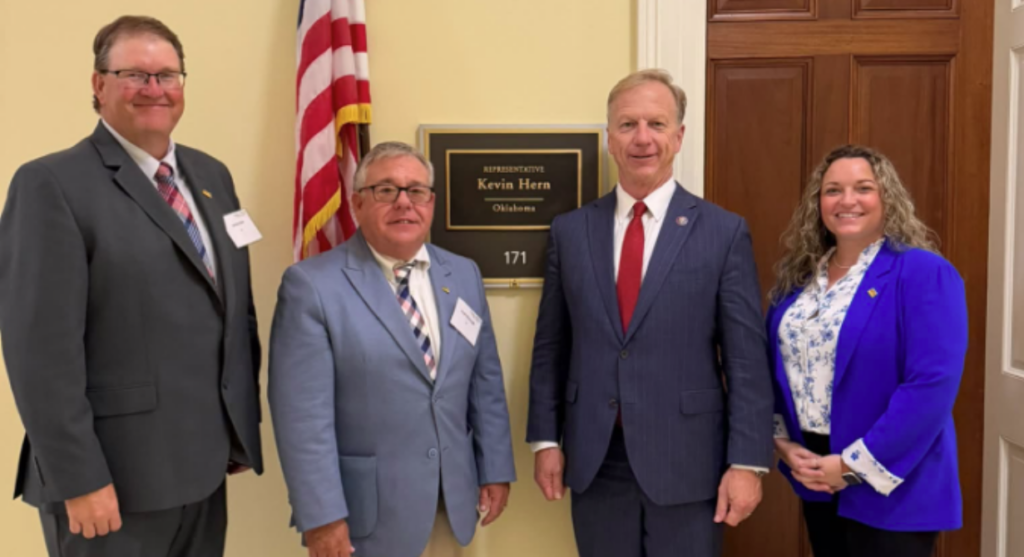
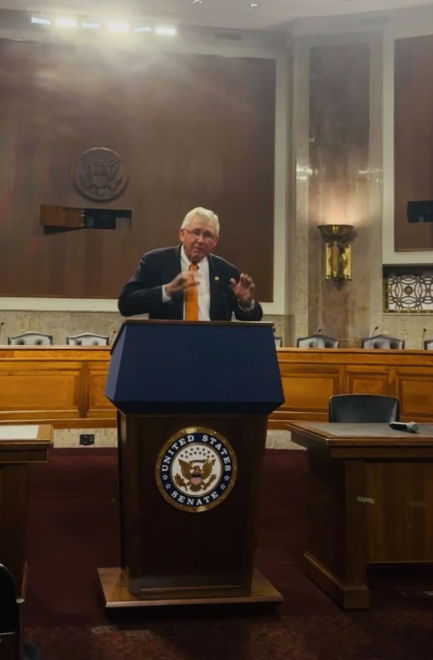
Following his return from the NFU Fly-In in Washington, D.C., American Farmers & Ranchers (AFR) President Scott Blubaugh sat down with Farm Director KC Sheperd to provide a comprehensive debrief on the critical policy battles facing Oklahoma farmers and ranchers. The annual fly-in served as a vital platform for Oklahoma’s agricultural leadership to deliver direct, firsthand accounts from the countryside to lawmakers, federal agency heads, and White House officials. Blubaugh noted that while the current political environment in the nation’s capital presents serious challenges, the urgency surrounding production costs, federal farm legislation, and domestic livestock protections has never been higher.
Farm Bill Gridlock and Severe Production Input Pressures
At the top of the delegation’s agenda was the ongoing stalemate surrounding the federal farm bill, a cornerstone legislative package that Blubaugh stressed is now three years behind schedule. He noted that while passing a farm bill has traditionally been a bipartisan endeavor where lawmakers set aside differences to protect the nation’s food supply, recent years have been defined by severe partisan gridlock.
That paralysis has left agricultural producers exposed to unsustainable economic pressures. During discussions with lawmakers, the AFR delegation laid out the stark realities of operating on the ground in Oklahoma:
- Diesel fuel prices continue to hover near $6 per gallon, creating an intense recurring expense across all production sectors.
- Fertilizer input costs have surged approximately 50% year-over-year, with market indicators pointing to additional potential increases.
- Commodity prices have seen only minor, negligible upticks, leaving producer profit margins heavily squeezed against escalating operational overhead.
Blubaugh shared that while a rare moment of momentum occurred when the Senate Agriculture Committee advanced its version of the farm bill by a single deciding vote cast by Senator Mitch McConnell, significant hurdles remain. With the House of Representatives adjourning and heading home until after the general election, Blubaugh stated that the absolute earliest realistic opportunity to advance and finalize the farm bill will come during the post-election lame-duck session.
Combatting Foreign Beef Imports and Championing MCOOL
A central focus of the AFR delegation’s meetings with both Congress and the White House was pushback against the administration’s reliance on foreign beef imports from third-world nations. Blubaugh expressed strong opposition to these policies, explaining that bringing in foreign beef has undermined domestic livestock markets without offering any financial relief to consumers. While live cattle markets have suffered downturns under these pressures, retail beef prices at grocery stores have remained stubbornly high, demonstrating that consumers are not reaping any benefits from increased import volume.
To level the playing field, AFR is aggressively advocating for Mandatory Country-of-Origin Labeling (MCOOL). Blubaugh pointed out a key distinction between the two versions of the farm bill currently circulating: the Senate draft includes mandatory labeling provisions, while the House version leaves them out.
Blubaugh observed unprecedented, broad-based bipartisan support for MCOOL during their Capitol Hill visits. The legislation has brought together lawmakers across the political spectrum, co-sponsored by leaders such as Republican Senator John Thune and Democratic Senator Cory Booker. Blubaugh noted that while the “Big Four” meatpackers continue to lobby heavily against origin labeling in order to preserve lucrative profit margins gained from blending cheaper foreign trimmings into ground beef products, consumers and producers share common ground.
Highlighting local market dynamics, Blubaugh pointed to the Oklahoma Certified Beef Association, which includes roughly 50 participating ranches. When federal announcements were made regarding expanded Argentine beef imports, participating Oklahoma operations virtually sold out of domestic product within 10 days. The surge demonstrated that consumers prioritize food safety and actively seek out high-quality, locally raised American beef when clear labeling allows them to make an informed choice.
Broad Federal Agency Engagement in Washington
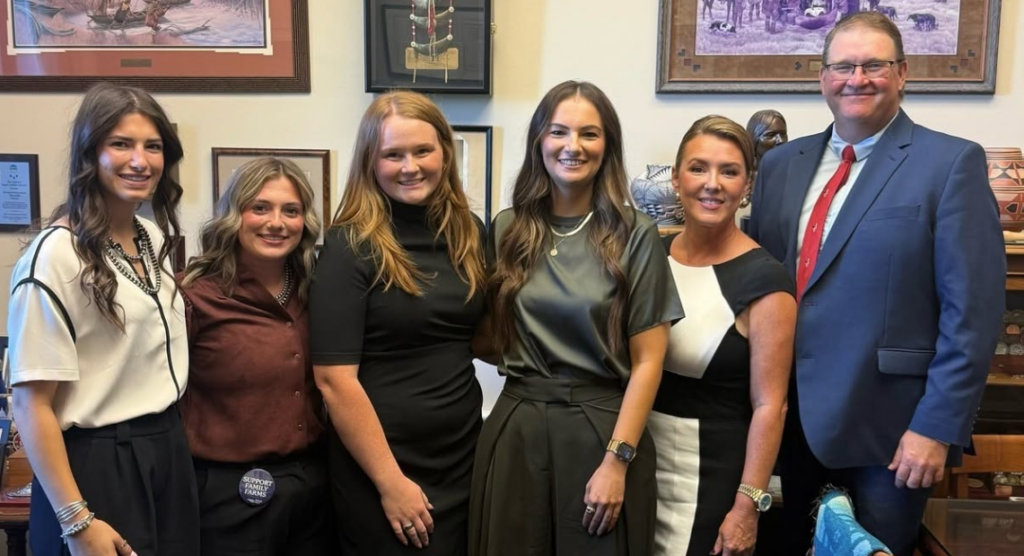
Beyond Capitol Hill meetings with the entire Oklahoma congressional delegation, AFR’s schedule involved in-depth discussions across several key branches of the executive administration. The delegation secured appointments with:
- The White House policy team
- The Department of Justice
- The Federal Trade Commission
- The Surface Transportation Board
- The United States Department of Agriculture
Blubaugh reported that officials across these departments were attentive and receptive to the operational challenges shared by the delegation. However, with both political parties heavily focused on positioning ahead of upcoming national elections, legislative productivity remains largely stalled. He noted that some pending administrative appointments and key confirmations are expected to clear the Senate floor shortly, but substantive legislative breakthroughs on agricultural policy will hinge entirely on the post-election session.
Looking Ahead: AFR Presence at the Tulsa State Fair
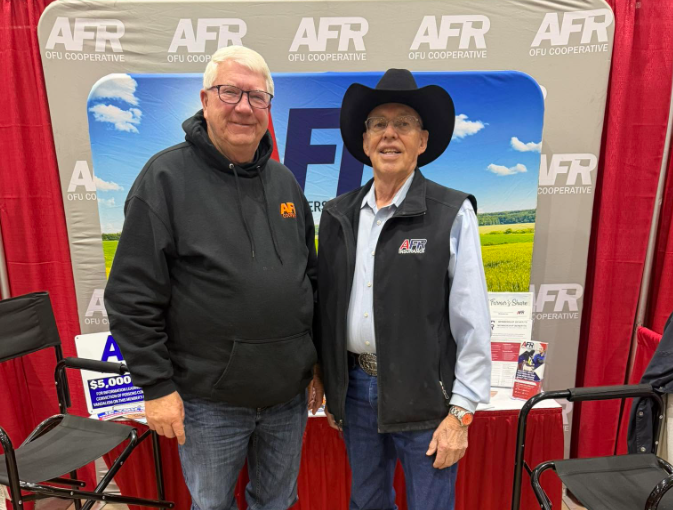
Shifting focus back to Oklahoma, Blubaugh shared that AFR is gearing up for a major presence at the Tulsa State Fair to engage youth, exhibitors, and farm families.
Key AFR fair highlights include:
- Active involvement in the annual Champions Night festivities.
- Hosting the signature AFR Livestock Grading Contest, which drew nearly 1,000 student competitors from across the state during the previous fair.
- Welcoming fairgoers and livestock exhibitors to an air-conditioned lounge in the staging area, featuring easy chairs, couches, and four to five televisions broadcasting simultaneous live coverage of the show rings so families can track multiple rings comfortably.
- On-site golf cart transport across the grounds provided by AFR’s Jim Pilkington for visitors needing assistance navigating the fairgrounds.