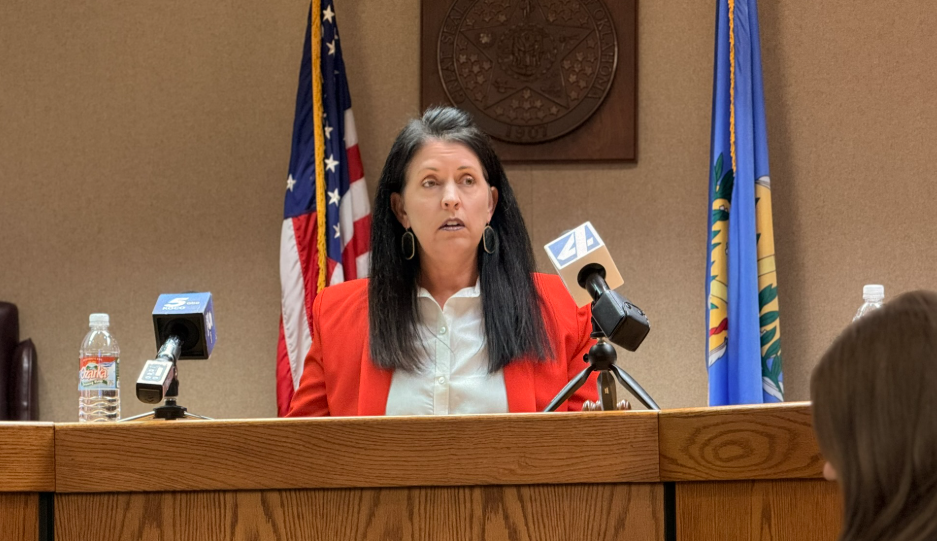
The Oklahoma Drought Commission convened to address intensifying dry conditions across the state, formalizing plans to open application access for $2 million in reallocated relief funds. Farm Director KC Sheperd visited with Oklahoma Secretary of Agriculture Blayne Arthur during the meeting to discuss the rapid expansion of drought severity and what it means for producers on the ground.
Meeting for the first time since February, commission members reviewed climate data presented by State Climatologist Gary McManus highlighting the sharp decline in conditions statewide. Arthur noted that the lack of moisture coupled with intense summer heat has placed substantial pressure on agricultural operations, particularly livestock producers.
Cattle operations in the state have been working to rebuild herds, but depleted water resources and declining pasture conditions are forcing fast, difficult operational decisions. Producers are currently facing the costly prospects of hauling water, feeding hay unseasonably early in the middle of summer, or marketing their cattle because farm ponds and tanks have gone dry.
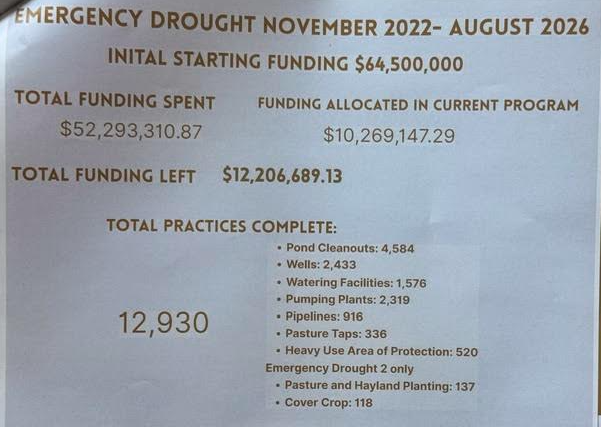
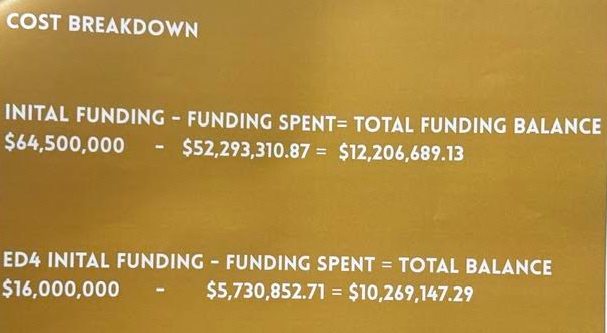
To support immediate needs, the drought committee authorized the reallocation of approximately $2 million, with applications scheduled to open on October 5. The Oklahoma Conservation Commission will take action regarding the funding, and officials hope that when the legislature reconvenes in February, an additional supplemental appropriation of $10 million will be approved to further extend assistance across Oklahoma. Arthur expressed appreciation for the legislature’s continued support of the program, noting strong return-on-investment data for the state and the agriculture industry.
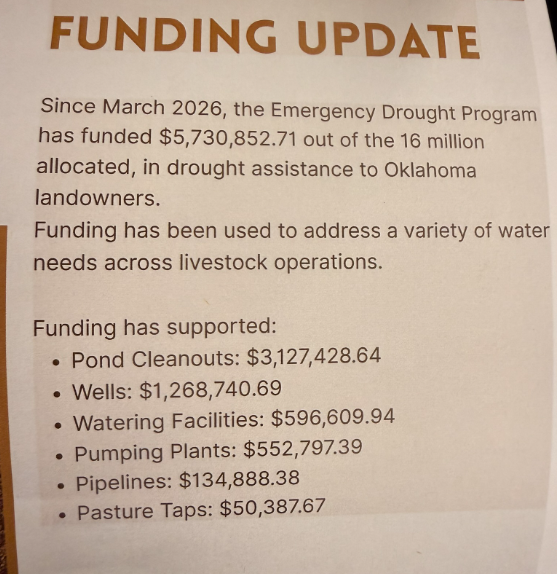
Producers seeking assistance are encouraged to contact staff at their local conservation district office prior to October 5 to familiarize themselves with the application process. The available funds can be applied toward several practical drought-mitigation practices:
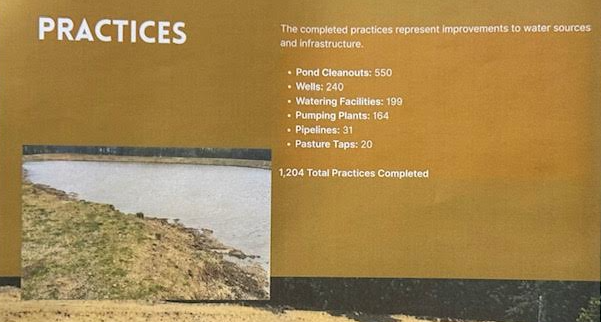
- Pond cleanouts, which have served as the most widely used practice across the state.
- Installation of pasture taps.
- Water well drilling, though Arthur noted drilling contractors are currently facing backlogs due to high demand.
Implementing these on-farm improvements also provides broader community benefits by helping operations avoid switching over to rural municipal water systems.
Looking ahead, McManus provided reason for cautious optimism, indicating incoming weather patterns associated with El Niño could potentially deliver cooler temperatures and much-needed moisture to Oklahoma in the months ahead.