

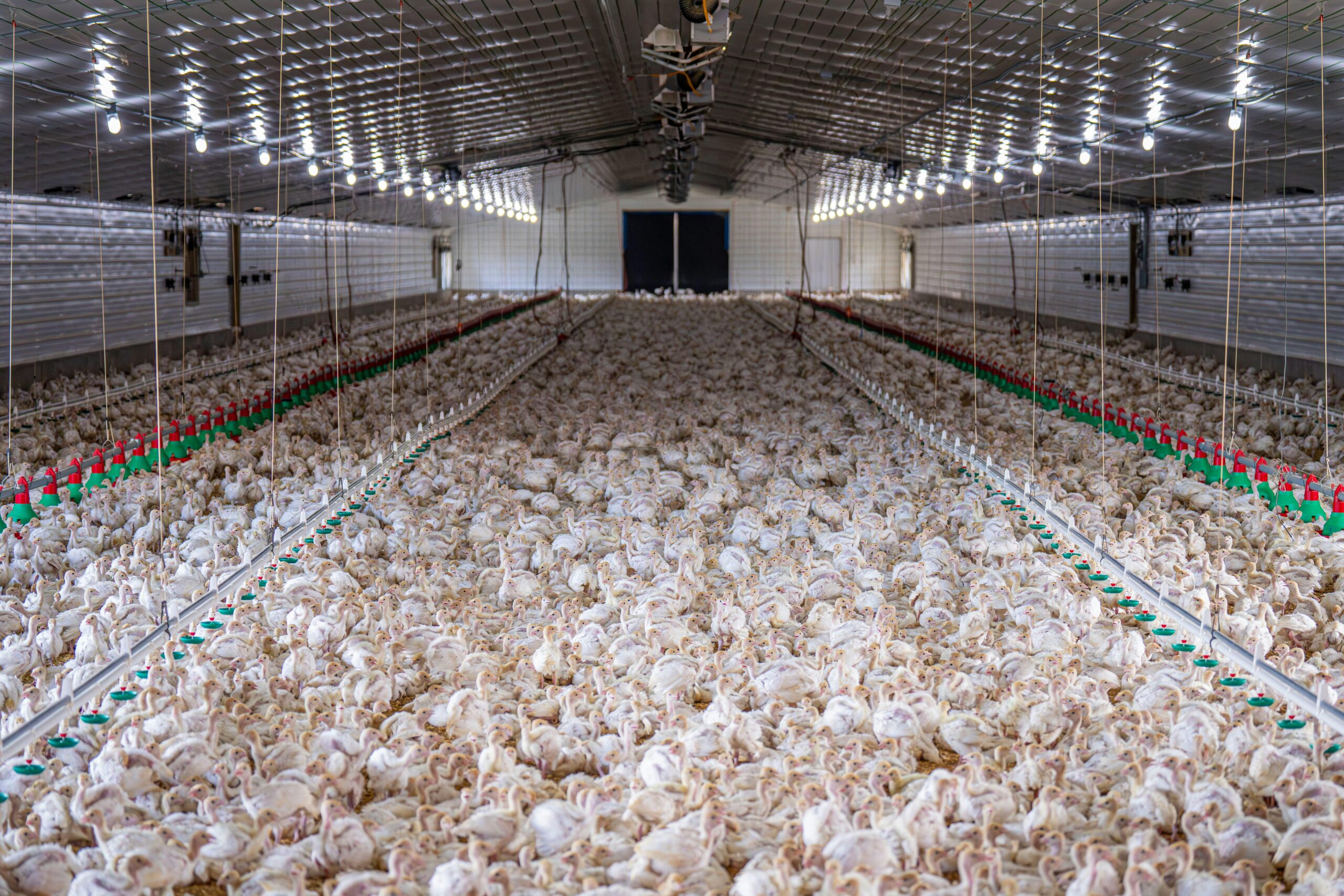
Dennis Brothers writes in Southern Ag Today: Highly pathogenic avian influenza (HPAI) has received significant attention in recent years because of its devastating impact on poultry operations. A confirmed outbreak typically requires rapid depopulation to prevent the virus from spreading to neighboring farms. However, disease outbreaks are only one of many risks that can affect grower income. In reality, some of the costliest revenue losses stem from everyday equipment failure.
A recent example from a broiler farm highlights this risk. The farm experienced a failure in a water line connection, causing extensive flooding in one house. Approximately 15,000 birds, or about 65% of the flock in that house, were lost overnight. With less than a week remaining before harvest, the loss represented more than 100,000 pounds of marketable live weight, approximately a 17% production loss for the flock.
Based on the example farm’s historical settlement data, the lost pounds reduced flock gross revenue by approximately $7,854. However, the financial impact did not end there. Feed consumed by the birds that were lost remained in the production expense calculations, but those costs were spread over fewer pounds delivered. As a result, the farm’s cost of production increased, likely lowering its ranking within the tournament settlement system and pushing incentive pay from a bonus to a penalty.
The combined effect is an estimated gross revenue loss of $9,778. Under typical assumptions, with loan obligations equal to 50% of gross revenue and operating expenses representing 30% of gross revenue, an average flock would have generated about $9,115 in net return. Instead, the affected flock produced an estimated net loss of $663 (Table 1).
The consequences may extend beyond a single flock. Excess moisture from the flooding could require the affected house to remain empty for an entire flock cycle to allow the house’s dirt pad to dry properly. If so, the operation could lose roughly 25% of its gross revenue from the next flock while continuing to make full loan payments. This could result in an annual loss of over $12,000 in net return for this farm with 2 out of 5 flocks being affected. Even with lender flexibility, recovering from a loss of this magnitude could take years.
Many insurance policies would not cover this type of income loss because it resulted from a plumbing failure rather than a covered peril event. This example illustrates why poultry growers should include contingency reserves in their financial planning. It also highlights the need to explore risk-management tools and insurance products designed to address the unique revenue risks faced by contract poultry growers, even though they do not own the birds they raise.
Table 1. Estimated Financial Impact of a Water Line Failure on a Broiler Farm
| Scenario | Pounds Delivered | Final Pay ($/lb.) | Total Gross Revenue | Total Expenses | Net Return |
| Average Flock | 595,734 | $0.0765 | $45,574 | $36,459 | $9,115 |
| Catastrophe Flock | 493,734 | $0.0725 | $35,796 | $36,459 | -$663 |
The event reduced flock gross revenue from an estimated $45,574 for an average flock to $35,796, a decline of more than 21%, demonstrating how a single event can significantly affect farm profitability.
Brothers, Dennis. “Broiler Grower Revenue Risks Can Come from Many Directions.” Southern Ag Today







