


Farm Director KC Sheperd recently caught up with Andy James from Oklahoma Forestry Services to discuss ongoing Oklahoma wildfire challenges and evaluate how emergency responders and land managers are navigating fire suppression across the state. While recent rainfall provided a welcome reprieve across parched pastures and timber, James stressed that moisture offers only a temporary pause rather than an off switch for heightened fire danger. As winds pick up and warmer conditions dry out vegetation, the underlying wildfire risks quickly resurface for rural communities and agricultural producers.
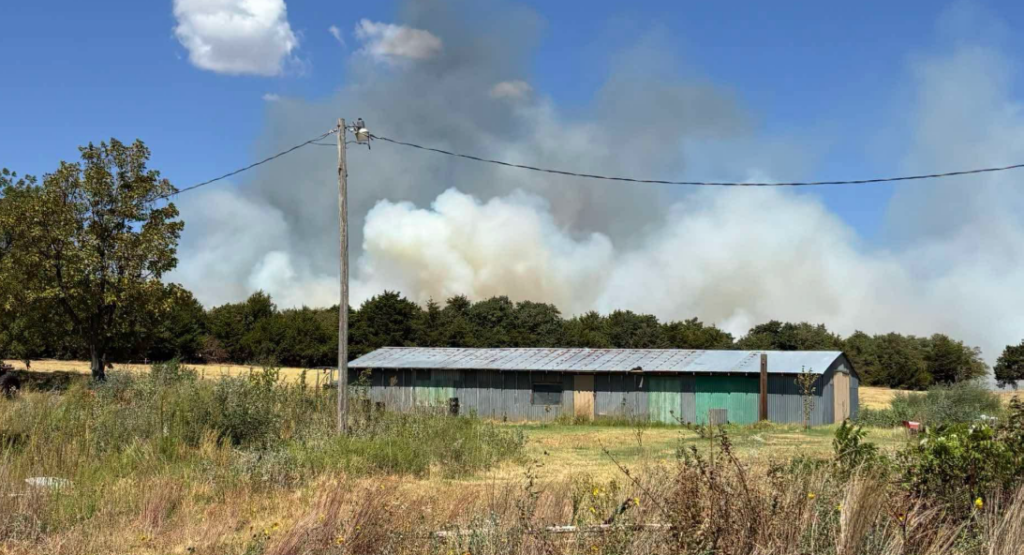
Despite enduring grueling fireline assignments, crews have successfully contained numerous starts across the state thanks to the dedication of volunteer departments, career fire personnel, and state forestry staff. James explained that firefighting is a true calling, frequently requiring personnel to endure record-setting heat, little to no sleep, and some of the toughest operating environments seen in a decade or more. Recent activity has tested responders on multiple fronts, ranging from western blazes like the Graymont fire to fast-moving incidents in eastern Oklahoma.
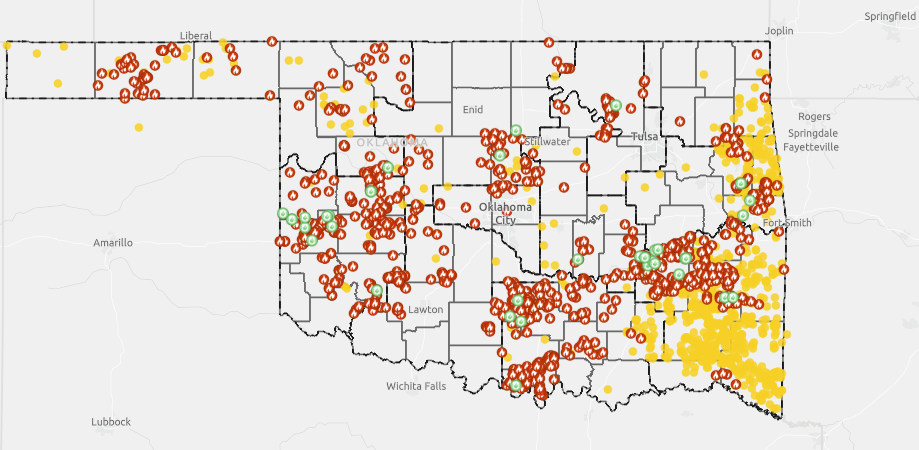
Putting the historic scope of this fire season into perspective, James pointed out that emergency personnel have already responded to 1,526 fires across Oklahoma year-to-date, consuming more than 350,800 acres. Late summer alone saw an alarming surge in activity; between August 1 and mid-September, crews battled 445 fires across more than 22,300 acres—double the normal number of starts and triple the average acreage burned for that stretch of the season.
A consistent weather pattern over the past couple of years has kept the state locked in a vulnerable cycle where precipitation can be a double-edged sword. James noted that while rain greens up pasture and range, that growth translates into heavy fuel loading once vegetation goes dormant. This extensive build-up of fine fuels is a primary reason fire danger can rebound rapidly following a rain event, laying the groundwork for historically active winter and early spring fire seasons.
Staffing and operational capacity continue to serve as the most pressing hurdles for emergency agencies across Oklahoma. James underscored the necessity of keeping personnel well-rested so they can think clearly and work safely under extreme pressure. With cumulative fatigue showing subtle signs among responders, protecting the physical safety and mental well-being of frontline crews remains top priority. These demands are compounded when blazes become difficult to control in complex fuel types, demanding extended operational shifts, additional personnel, and substantial amounts of water that can be tough to haul to remote acreage.
James also highlighted the persistent threat of reburn, a common hazard in specific timber types such as the southern pines of eastern Oklahoma. After an initial ground fire moves through an area, radiant heat dries the pine canopy, causing needles to turn brown and drop within days or weeks. This process creates a fresh carpet of receptive fine fuels over the forest floor. If lingering heat stays buried deep in a stump hole or an interior timber pocket, it can ignite the newly fallen needle cast and rekindle the blaze across established containment lines.
Even with recent moisture dampening surfaces, James urged Oklahoma ranchers, farmers, and rural landowners to remain prepared and vigilant. Because humidity and sunshine can dry out fine fuels in a matter of hours, fire activity can resume swiftly.
To keep new fires from starting, James urged everyone to delay outdoor activities that generate sparks, review county burn ban resolutions on the Oklahoma Forestry Services website, and ensure trailer safety chains and wiring do not drag along roadways. Suspected wildfires can also be reported directly on the Forestry website. For community members eager to assist local crews, James recommended contacting area volunteer fire departments directly to donate bottled water or offer financial contributions to help offset mounting fuel and maintenance expenses.







