
 Persimmons: A Little Fall Sweetness (When You Know They’re Ripe!)
Ever bitten into an unripe persimmon? That mouth-puckering surprise is one you won’t forget! 
The American persimmon (Diospyros virginiana) is well suited to Oklahoma and offers more than just sweet fall fruit. Its glossy leaves and bright orange fruit add beauty to the landscape, while providing food for birds and other wildlife.
Thinking about planting a persimmon tree? Keep these tips in mind:
– Choose a sunny spot with well-drained soil and plenty of room to grow.
– Water young trees regularly while their roots establish, and mulch to conserve moisture.
– Some varieties need a nearby pollen source to produce fruit, so check with your nursery before buying.
– Asian persimmons generally produce larger fruit but are less cold-hardy than American varieties.
The secret to enjoying persimmons? Patience! American persimmons need to become fully soft before eating. Their orange color alone doesn’t mean they’re ripe, and contrary to popular belief, they don’t need a frost to become sweet. As the fruit ripens naturally, the tannins responsible for that puckering sensation decrease.
With a little planning, persimmons can add a unique and delicious fall tradition to your Oklahoma landscape for years to come!
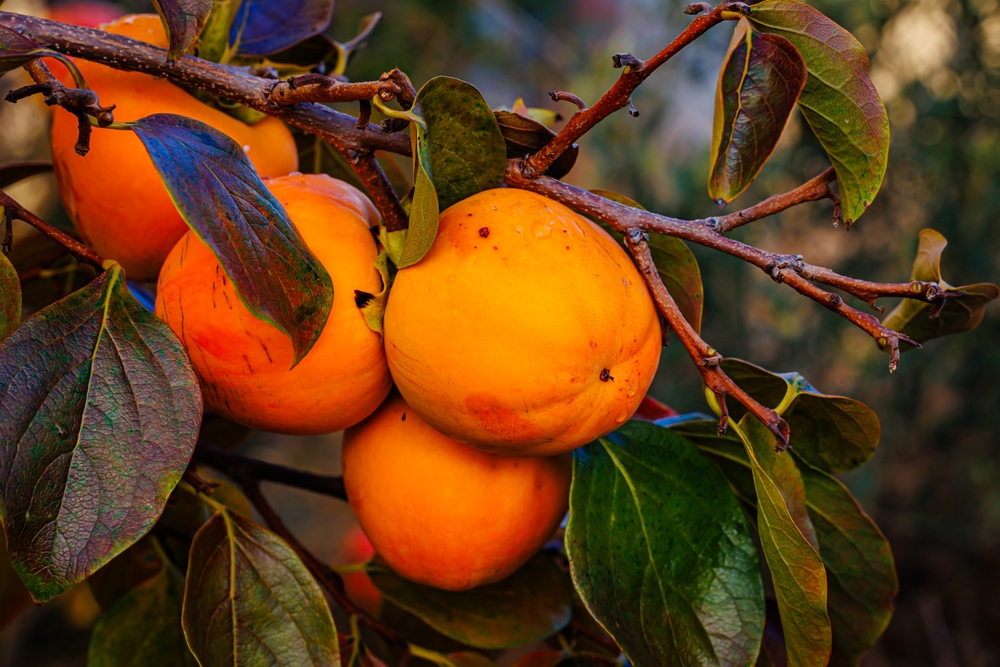
A ripe persimmon is one of fall’s sweetest rewards, but anyone who has bitten into an unripe one knows the memorable mouth-puckering surprise. The American Persimmon, Diospyros virginiana, grows naturally in many areas of Oklahoma and is well adapted to our conditions. Its glossy leaves and orange fruit make it an attractive landscape tree, while the fall crop provides food for birds and other wildlife.
Established trees tolerate drought, although young trees need regular watering as their roots develop. Asian Persimmons, Diospyros kaki, also called Japanese or Oriental persimmons, generally produce larger fruit but are less cold hardy than American types and may suffer winter injury in northern Oklahoma.
Pollination is another detail to consider before planting. American persimmons usually have male and female flowers on separate trees, so a fruiting female generally needs a nearby male tree to provide pollen. Requirements can vary among selected cultivars, so ask the nursery whether your choice needs a pollen source. Choose a sunny location with well-drained soil and enough room for the tree’s mature size. Avoid low spots where water collects. Spring is a good time for planting persimmons.
Plant at approximately the same depth the tree grew in the nursery, water thoroughly, and mulch around the tree to conserve moisture and reduce competition from grass and weeds. Keep mulch away from the trunk and provide supplemental water during dry periods, especially during the first few years. At harvest time, knowing which type you have makes all the difference.
American persimmons must become fully soft before eating. Orange color alone does not mean the fruit is ready. Despite a familiar gardening tale, persimmons do not need a frost to become sweet. Ripening naturally reduces the tannins responsible for that puckering sensation. Depending on the variety, ripe American fruit may look almost overripe, with soft flesh and slightly wrinkled skin.
Wildlife enjoy persimmons too, so watch trees closely as harvest approaches. Persimmons offer Oklahoma gardeners an opportunity to grow something a little different. Before buying, do a little research before selecting a tree. A little planning now can lead to a sweet fall tradition for years to come.
You can contact Laura Payne, OSU Horticulture Educator for Payne County via email at laura.payne@okstate.edu, phone at 405-747-8320, or in person at the Payne County Extension office, located at 315 W. 6th in Stillwater.