
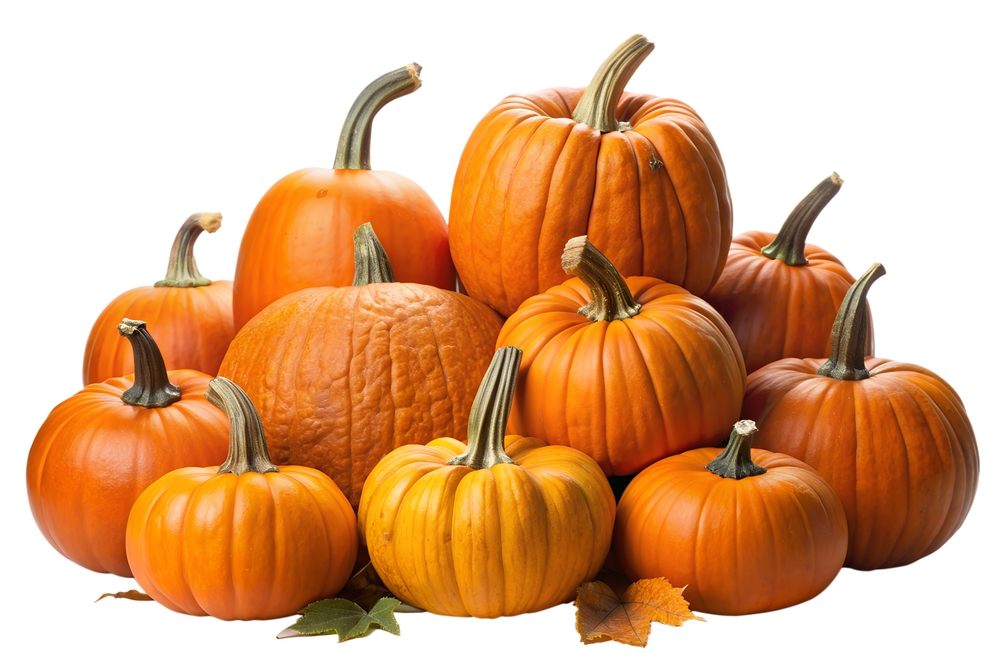
Once trick-or-treaters pack away their costumes, front porches across Oklahoma are left lined with softening jack-o’-lanterns and decorative gourds. Instead of hauling them to the curb for the municipal trash truck—where organic waste ends up decomposing in landfills and generating methane gas—there are practical, beneficial ways to put those post-holiday pumpkins to work right here in the Sooner State.
Whether your goal is enriching local garden soil, treating livestock, or creating a nutritious meal, here is how Oklahomans can give leftover pumpkins a productive second life.
1. Feed Oklahoma Livestock and Backyard Chickens
Pumpkin flesh and seeds serve as a nutrient-dense, vitamin-packed supplement for farm animals. Chickens, goats, cattle, and pigs eagerly devour fresh pumpkins.
- Backyard flocks: If you keep chickens, slice pumpkins in half or smash them open on the ground so birds can peck at the pulp and seeds.
- Local farm donations: Many hobby farmers and small homesteads across Canadian, Cleveland, Logan, and Oklahoma counties actively collect clean, unpainted pumpkins for their herds. Check local agricultural bulletin boards or county community groups before dropping them off.
- Safety note: Never feed animals pumpkins that have been coated in paint, glitter, hairspray, or chemical sealants, or any carved pumpkins showing dark, fuzzy mold.
2. Enrich Your Soil with Composting
Pumpkins are roughly 90% water and packed with nitrogen, making them an ideal “green” input for your home compost bin.
- Speed up breakdown: Remove any leftover wax candles, glow sticks, or synthetic decorations. Cut or smash the pumpkin into smaller pieces to accelerate decomposition.
- Balance the pile: Oklahoma autumn brings abundant fallen oak and pecan leaves (“brown” carbon materials). Layer chopped pumpkin chunks with dry leaves and yard trimmings to maintain a healthy carbon-to-nitrogen ratio and keep odors at bay.
- Trench composting: If you do not maintain an active compost pile, simply dig a trench 8 to 12 inches deep in an empty garden bed, drop in crushed pumpkin chunks, and bury them. Earthworms and native microbes will break them down into rich soil by spring planting.
3. Use Community Drop-Off and Pickup Programs
If you live in an apartment or lack space for composting, regional organics collectors can divert your gourds from the landfill:
- Central Oklahoma compost hubs: Programs like the Fertile Ground Cooperative in the Oklahoma City metro provide designated drop-off sites and seasonal collection drives for pumpkins, hay bales, and corn stalks.
- City yard-waste facilities: Several municipal collection centers accept clean, organic yard waste and produce scraps during regular fall drop-off hours. Confirm with your city’s solid waste department regarding specific rules for decorative gourds.
4. Create Natural Feeders for Native Backyard Birds
Oklahoma’s migratory and resident birds—including chickadees, titmice, and finches—benefit from extra calories as autumn temperatures drop.
- Slice a sturdy, uncarved pumpkin horizontally across the center.
- Hollow out a shallow bowl in the base.
- Thread heavy twine or sisal rope through holes punched on four sides and hang it securely from a tree limb or porch beam.
- Fill the base with black-oil sunflower seed, native millet, and dried pumpkin seeds.
5. Cook with Uncarved, Sound Pumpkins
If your porch display featured whole, uncarved pie pumpkins or heirloom varieties (such as Long Island Cheese or Cinderella pumpkins), the flesh inside remains culinary-grade provided it hasn’t experienced hard freezes or pests.
- Make puree: Slice the pumpkin in half, scoop out the pulp and seeds, roast cut-side down at 400°F until tender, and blend the soft flesh into a smooth base for fall pies, breads, and seasonal soups.
- Roast the seeds: Separate the seeds, rinse them clean of stringy pulp, toss with a touch of oil and sea salt, and toast in the oven at 300°F until crisp and golden brown.
Disposal Guidelines to Keep in Mind
Before putting any pumpkin to use, do a quick safety check:
- Discard chemically treated gourds: Any pumpkin treated with bleach solutions, acrylic paint, glitter, or artificial gloss should be placed in standard household trash to prevent toxic exposure to wildlife, livestock, and garden soil.
- Remove candles and matches: Wax drips, plastic tea-light cups, and matchsticks should be removed before composting or donating.
Here’s Some Places to Donate Pumpkins
Oklahoma City Zoo Click to open side panel for more information frequently accepts post-holiday pumpkins through community drop drives and partnered compost stations.
- Location: 2000 Remington Pl. in Oklahoma City.
- Drop-off access: A community food-waste and compost drop bin (partnered with Fertile Ground) is located near the Rosser Conservation Education Center entrance.
- Animal enrichment: Select years, the animal care staff requests sound, unpainted pumpkins for elephant, bear, and primate enrichment; always verify current animal intake guidelines with guest services before bringing items directly for animal feeding.
Statewide Livestock and FFA / 4-H Ag Farms
Beyond dedicated facilities, livestock operations across Oklahoma rely heavily on unpainted pumpkins as supplemental feed for cattle, swine, and sheep:
- High school ag farms: High school FFA chapters and school show barns across Oklahoma (from Guthrie and Kingfisher to Broken Arrow and Shawnee) frequently collect pumpkins to feed exhibition livestock and club animals.
- Local homesteads and livestock owners: Ranchettes, small-acreage goat farms, and pastured poultry keepers in rural pockets—such as along Route 66 or near towns like Hydro, Weatherford, El Reno, and Perkins—routinely post “pumpkin wanted” notices on local Facebook ag boards or farm swap pages.