
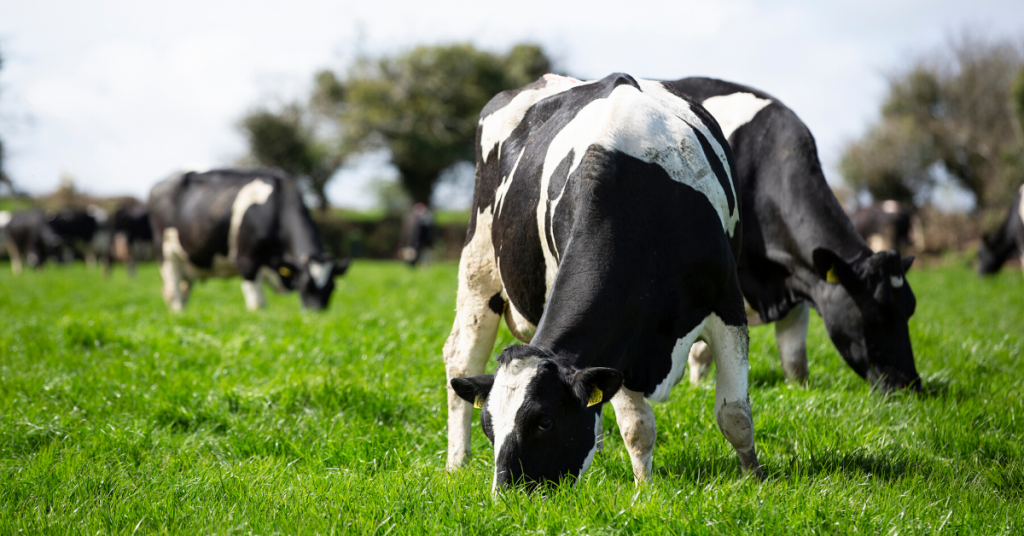
On Nov. 5, the National Association of State Departments of Agriculture and the National Assembly of State Animal Health Officials met with USDA and delivered a letter to urge the agency to authorize a voluntary national emergency vaccination framework for dairy cattle, as part of an integrated disease control strategy, in response to ongoing Highly Pathogenic Avian Influenza outbreaks.
“The dairy industry must have effective tools to combat HPAI,” NASDA CEO Ted McKinney said. “Current surveillance strategies like the National Milk Testing Strategy and premovement testing have been critical in early detection, but an integrated disease control strategy must go beyond biosecurity and movement controls and include veterinary countermeasures. That’s why we are asking USDA to approve vaccines as an additional tool to help prevent and reduce the spread of HPAI in livestock.”
“HPAI continues to loom as a significant threat to animal health, our food supply and commerce,” NASAHO President Dr. Alex Hamberg said. “Veterinary and state government leaders need every available tool to protect the agricultural economy in their states and empower their farmers in combating this virus to protect their dairy herds and poultry flocks. We are asking USDA for their support in helping our farmers.”
Since the initial spillover of HPAI from wild birds to dairy cattle in 2024, there have been over 1,200 dairy farms with confirmed cases in 20 states. Additionally, at least 17 states have experienced commercial poultry losses due to the spread of HPAI to the poultry from nearby infected dairy cattle. While the U.S. commercial milk supply remains safe for consumers, continued spread of the disease poses threats to supply chains, international market access, consumer confidence, agricultural stability and the economic viability of dairy and poultry farms. At a time when grocery prices are up, the risk of HPAI becoming an endemic disease in the U.S. amplifies concerns about the affordability of dairy, beef, eggs and poultry products.
Currently, states and industries are continuing to implement an integrated disease control strategy that utilizes surveillance, biosecurity, movement management, animal identification and traceability. While vaccines should not replace these core measures, there is a clear and immediate need to include them as a voluntary countermeasure that state animal health officials may choose to utilize, alongside existing tools, to reduce disease spread and advance HPAI eradication in dairy cattle in the U.S.
NASDA and NASAHO urge USDA to act now to authorize a voluntary national emergency vaccination framework as part of the integrated disease control strategy. By working together, states and USDA can strengthen public and animal health, protect the U.S. food supply, reduce disease transmission, preserve confidence in U.S. products in domestic and international markets, and advance the long-term goal of HPAI eradication in dairy cattle.