

U.S. Environmental Protection Agency (EPA) has begun the next phase of cleanup of radioactive waste and other contaminated material at the Fansteel Metals Superfund site near Muskogee, Oklahoma. This action will remove around 2,200 supersacks of radioactive material and contaminated soil from the former metals processing facility. Together with three previous removals, this action addresses the site’s most immediate risks to human health and the environment while planning for long-term remediation continues.
“When companies do not properly handle and dispose of their hazardous waste, it’s imperative that EPA and our partner agencies act quickly to secure threats to people’s health and the environment,” said Region 6 Administrator Scott Mason. “EPA appreciates the decisive action of Governor Stitt to prioritize the Fansteel Metals site for cleanup. We will continue to work with the state of Oklahoma, the Cherokee Nation, and the Muscogee (Creek) Nation to ensure immediate threats are minimized as we develop a long-term cleanup plan.”
The Fansteel Metals site, covering about 110 acres inside the boundary of the Cherokee Nation, processed ore and slag containing radioactive material from 1957 to 2001 and disposed of waste material in unlined ponds and basins. Oklahoma Governor Kevin Stitt designated it as the state’s highest priority cleanup in 2023, and EPA added the site to the National Priorities List of contaminated sites later the same year. EPA is consulting closely during cleanup with the Cherokee Nation and the nearby Muscogee (Creek) Nation, as well as the state of Oklahoma.
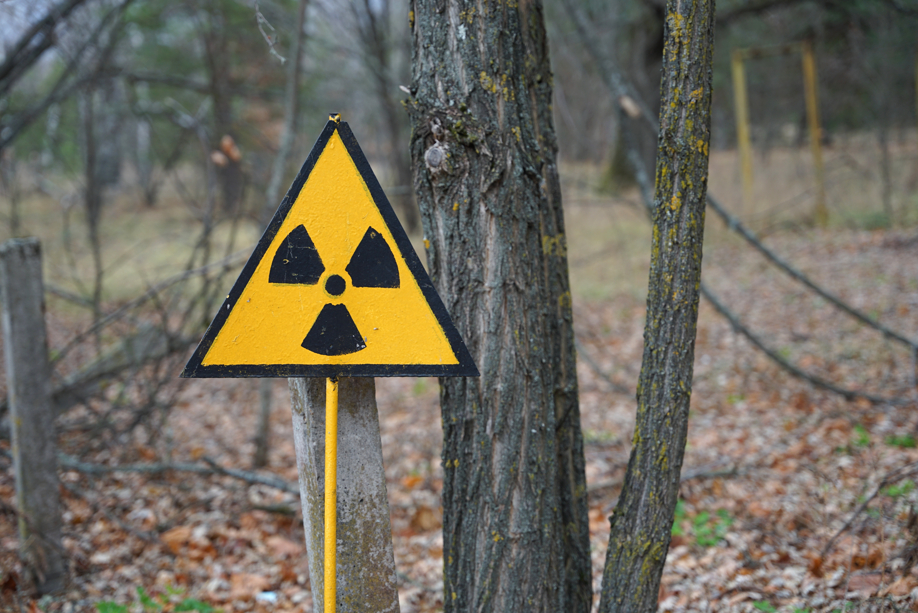
Removal of the contaminated material is vital to protecting human health and the environment by preventing offsite migration. While the site is surrounded by undeveloped land and commercial properties, the Arkansas River runs adjacent to the east and housing developments are about one-third of a mile south. Residents should heed security fencing and warning signs around the site to avoid exposure to radiation, radon gas and other hazardous substances. Removal work is expected to wrap up in Spring 2027.
For more information on the site, please see EPA’s webpage.
Connect with the Environmental Protection Agency Region 6 on Facebook, X, Instagram, or visit our homepage.