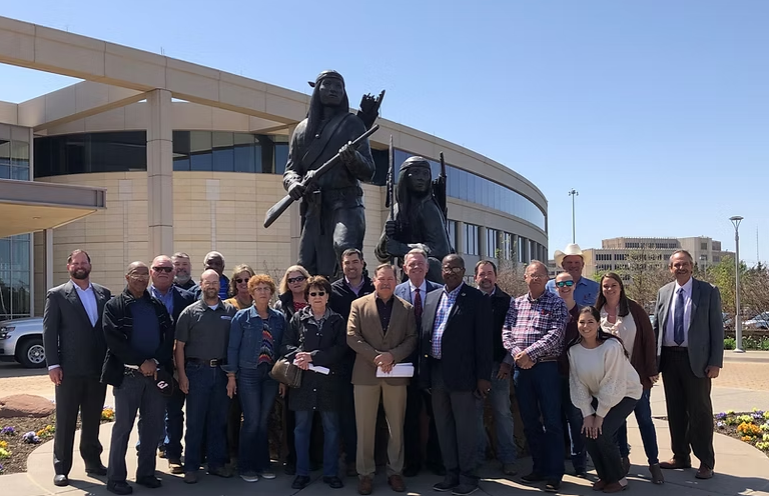
Oklahoma’s vast landscapes, from rolling prairies to bustling ranchlands, are under constant stewardship by the Oklahoma Conservation Commission (OCC). Executive Director Trey Lam recently sat down with Farm Director KC Sheperd to discuss the upcoming Oklahoma Association of Conservation Districts (OACD) annual meeting and the critical initiatives shaping the state’s environmental future.
The OACD Annual Meeting: A Hub for Collaboration
The OACD meeting, kicking off March 1, 2026, at O’Connell’s in Oklahoma City, serves as a cornerstone for conservation efforts in the state. It brings together a diverse group, including district directors, staff, and partners from federal and non-governmental organizations.
This year’s program promises to be particularly insightful, with a focus on:
- Policy Updates: Attendees will hear from officials in the Trump administration regarding the future of farm policy, specifically from the Natural Resources Conservation Service (NRCS).
- Leadership Insights: Secretary of Energy and Environment Ken McQueen and Secretary of Agriculture Blayne Arthur are scheduled to speak, providing high-level perspectives on state initiatives.
- Program Education: The meeting offers a platform to learn about ongoing and upcoming programs, including the Terry Peach North Canadian River Watershed Restoration Act, unpaid roads erosion, wetlands preservation, and soil health.
“It’s a great opportunity to get together and kind of recharge our batteries on conservation, learn more about conservation programs to come, and just really set the tone for the next year,” said Lam.
Tackling the Red Cedar Challenge
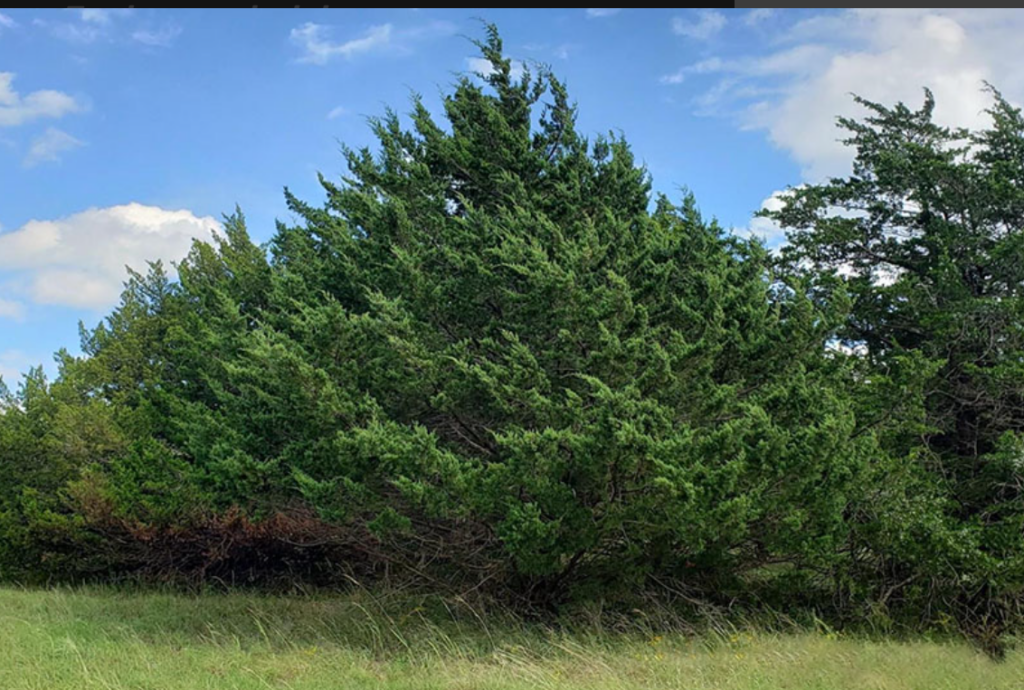
A key focus of the conversation between Trey Lam and KC Sheperd was the staggering amount of water consumed by invasive Eastern Red Cedars. Research conducted by the Oklahoma Conservation Commission and its partners reveals the significant strain these trees place on the state’s natural water resources.
Water Loss by the Numbers
The data highlights a direct correlation between cedar infestation and water depletion:
- Gallons Per Acre: Removing red cedars and mulching the ground can reclaim approximately 40,000 gallons of water per acre.
- Scale of Infestation: An estimated 15 million acres in Oklahoma are infested with red cedar.
- Economic Efficiency: Lam noted that controlling cedar growth is more cost-effective than building new lakes or developing alternative water resources to compensate for the loss.
“If you take the 15 million acres that are infested with cedar now and take all of that water, it’s like building multiple lakes across Oklahoma,” Lam explained. This restoration effort is viewed as a primary strategy for securing the state’s water quantity and quality for the future.
Water Conservation
Research indicates that removing red cedars and mulching the ground can reclaim approximately 40,000 gallons of water per acre. With an estimated 15 million acres infested in Oklahoma, this restoration is a more cost-effective way to manage water resources than building new lakes.
Wildfire Mitigation
Red cedars are notorious for their volatility during wildfires. To protect communities, the OCC offers a free service to create 100- to 300-foot firebreaks of mulch near towns and subdivisions. These breaks not only prevent the “exploding” cedars from spreading fire to rooftops but also provide safer access for emergency responders.
The Role of Prescribed Fire
While mechanical removal is vital, Lam emphasized that “prescribed fire is the only way we’re going to reduce these fuel loads”. Unlike “controlled burns,” which can be informal, prescribed fires are professional operations that account for:
- Detailed burn plans
- Specific weather, humidity, and wind conditions
- Dedicated crews of 10 to 20 people with specialized equipment
To encourage this practice, rural fire departments and prescribed burn associations that undergo training with experts like John Weir from OSU are eligible for $5,000 grants for equipment and supplies.
Looking Ahead: Regenerative Agriculture and Innovation
The OACD meeting will also delve into modern techniques such as “Regen Ag” (regenerative agriculture) and virtual fencing. These innovations aim to improve the quantity and quality of Oklahoma’s water, reduce wildfire risks, and enhance road maintenance.
“We’re involved in a lot of different areas that are really applicable to the public in general,” Lam noted, inviting producers and the public alike to register for the event through the OACD website.