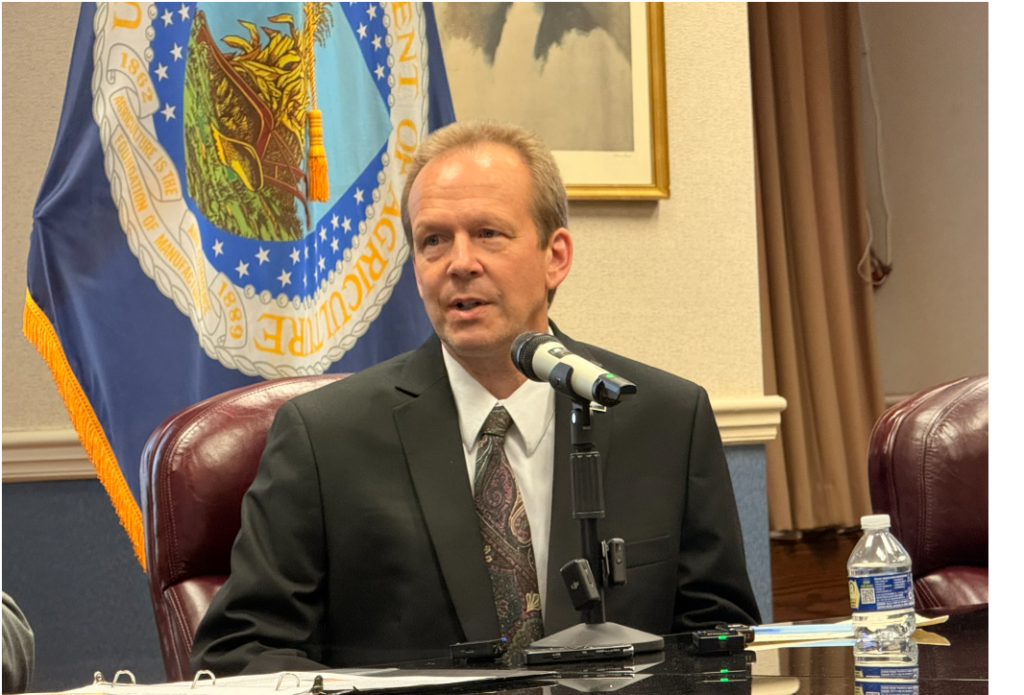
The 2026 weather outlook and its profound impact on American agriculture took center stage at the NAFB Washington Watch event, where USDA Meteorologist Brad Rippey detailed the transition from neutral conditions to a strengthening El Niño pattern. Rippey, who serves as the managing editor of the Weekly Weather and Crop Bulletin, provided a comprehensive review of the extreme weather events that have already defined the early months of 2026, including devastating ice storms in the South and historic wildfires in the Plains, while offering a glimpse into what producers can expect for the remainder of the year.
The Dynamics of Drought and Disaster Assistance
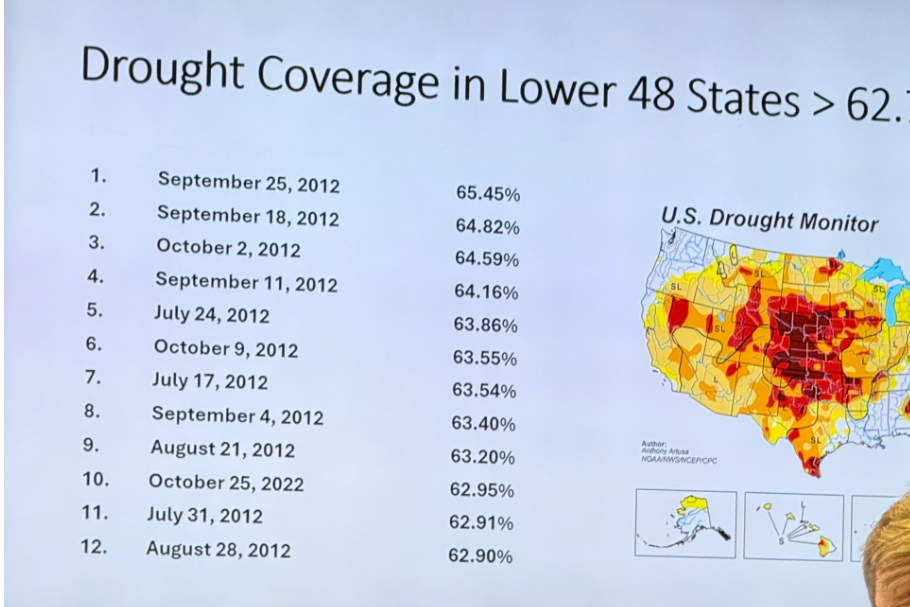
Rippey emphasized the critical role of the U.S. Drought Monitor, a federal-academic partnership that has guided agricultural policy since the late 1990s.
- Since 2008, the Drought Monitor has been directly tied to the Livestock Forage Disaster Program (LFP).
- Recent legislative updates have “sweetened” the program by closing gaps in monthly payments, providing a more robust safety net for producers.
- Total direct assistance to American producers based on drought has reached nearly $30 billion over the program’s 27-year history.
- Currently, drought coverage across the lower 48 states stands at approximately 63%, nearing the record highs seen during the 2012 drought.
Extreme Weather Events of Early 2026
The first four months of 2026 have been marked by significant climate anomalies that have disrupted planting and damaged specialty crops.
- Ice and Snow: A 2,000-mile swath of snow and ice in late January hammered the Mid-South, with North Mississippi recording 1.5 inches of ice accumulation, leading to substantial timber and orchard losses.
- Florida Freeze: Early February brought the most significant deep-south freeze for Florida since 2010, resulting in an 8% loss in sugarcane production and damaging citrus, blueberries, and strawberries.
- Wildfires: Approximately 1.8 million acres have burned nationally as of late April, nearly double the 10-year average. This includes the historic Moral Fire in Nebraska and the Ranger Road Fire in Oklahoma and Kansas.
2026 Weather Outlook: The Shift to El Niño
The primary driver for the upcoming seasons will be the development of El Niño, which Rippey expects to exert a dominant influence by the autumn and winter months.
- Short-Term Risks: Late April and early May forecasts indicate a risk of late-season frost in the Mid-Atlantic and Eastern Corn Belt, potentially threatening emerging summer crops and specialty fruits.
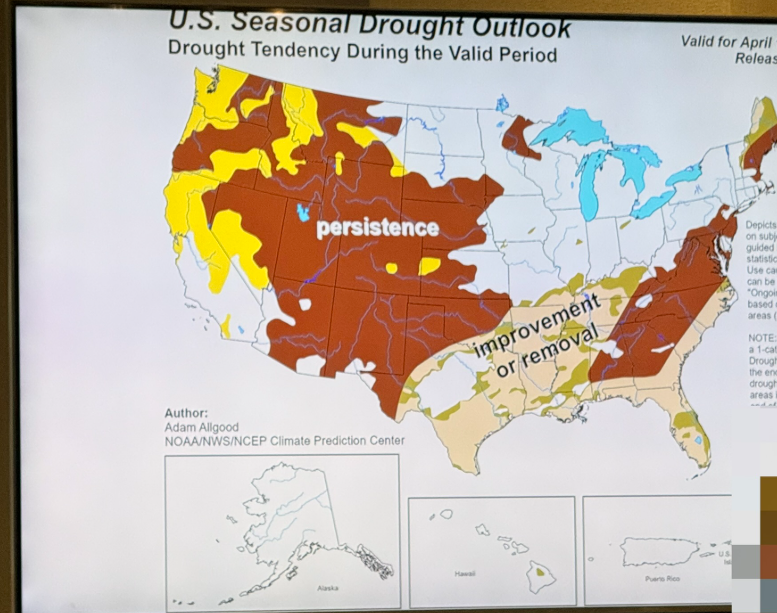
- Summer Expectations: A ridge of high pressure is expected to persist over the Western U.S., potentially intensifying drought conditions in that region, while the Midwest may see more moderate temperatures.
- Winter Forecast: A strong El Niño is likely to produce a generally mild winter across the U.S., with wetter conditions in the South and drier patterns in the North.
Agricultural Productivity and Soil Moisture
Despite the widespread drought, Rippey noted a “sharp line” between the haves and have-nots in terms of soil moisture.
- The Midwest remains relatively optimistic, with only 27% of corn and 30% of soybean production areas currently in drought.
- In contrast, 100% of peanut and cotton production areas are currently experiencing drought conditions.
- Michigan and Wisconsin have faced the opposite challenge, with excessive moisture delaying sugar beet planting; Michigan reported only 3% planted compared to a five-year average of 51%.
Farm Director KC Sheperd noted that the transition to El Niño offers hope for long-term drought relief, though the immediate future remains a balancing act for producers dealing with erratic spring moisture and the lingering threat of late-season freezes.