The agricultural commodities market is currently facing significant downward pressure, as highlighted by OSU Crop Marketing Specialist Todd Hubbs in a recent conversation with Farm Director KC Sheperd. This agricultural market outlook reveals a landscape of “red” in the futures markets, driven largely by geopolitical developments and shifting investor sentiment. Hubbs noted that proposed administrative actions regarding Iran and deliberations over opening certain straits have led to a dramatic fall in oil prices, a trend the broader ag complex has mirrored.
Wheat Market Challenges and Production Forecasts
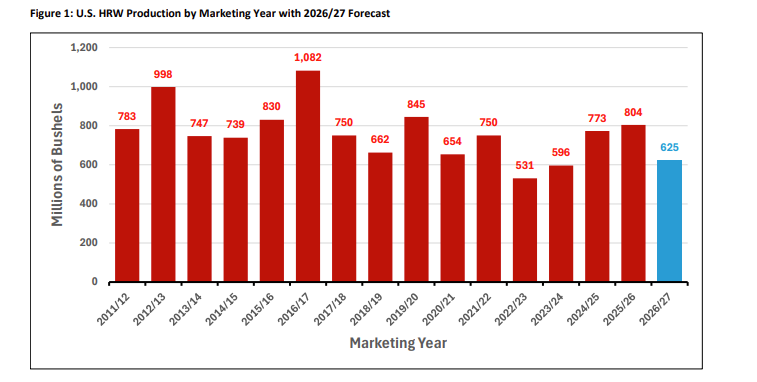
The wheat market, particularly Hard Red Winter (HRW) wheat, has seen a substantial decline.
- July HRW wheat contracts are currently trading in the mid-$6.60s, down from previous highs above $7.00.
- In Oklahoma, production is projected to be only about half of last year’s crop.
- Despite recent rainfall in some areas, the benefit to the wheat crop is inconsistent, as much of the crop in Western Oklahoma and North Central areas is already headed and developed.
- Globally, while the Russian and EU crops appear strong, the Ukrainian crop is down, and there are concerns regarding lower acreage and fertilizer issues in the Southern Hemisphere, specifically Australia.
Corn and Soybean Market Dynamics
The outlook for corn and soybeans also shows a downward trend in prices, though specific internal dynamics differ.
- Corn: Current prices are down, and the market is awaiting the upcoming WASDE report. While exports for old crop corn remain strong, the USDA is expected to use trend yields based on March acreage for future projections.
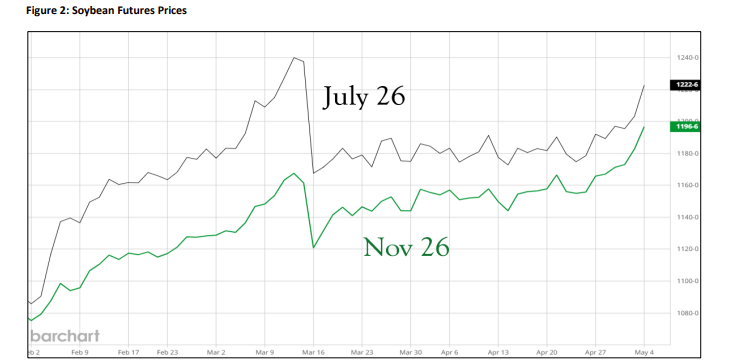
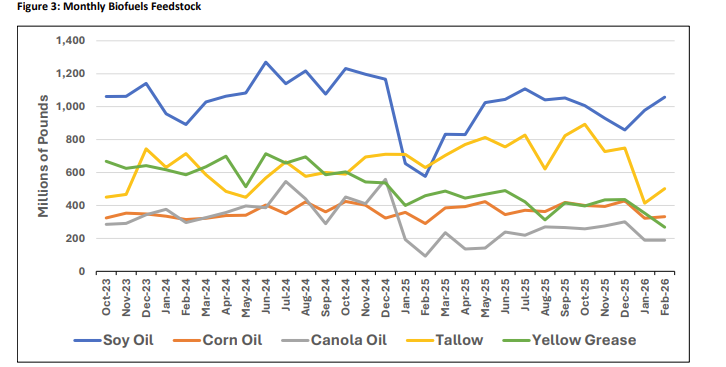
- Soybeans: Prices have dipped, but there is a strong push for soybean oil use in biomass-based diesel.
- Soybean Meal: Export data for soybean meal has been exceptionally strong, exceeding previous USDA forecasts, though there are concerns that global energy shocks could eventually dampen demand in regions like Asia.
Cotton: A Relative High Point
In contrast to the significant losses seen in grains, cotton has remained relatively stable. Although it has dipped slightly into the low 80s for July contracts, it has not experienced the “bloodbath” seen in the wheat and corn markets.
Anticipating the WASDE Report
Market participants are closely watching for the next World Agricultural Supply and Demand Estimates (WASDE) report. Hubbs expects the report to reflect:
- Lower global production and export numbers for wheat.
- Potential increases in old crop corn exports due to high movement.
- Continued volatility as the market transitions into the 2026-27 marketing year.
As harvest approaches, Hubbs anticipates that the lower wheat supply may lead to a strengthening of the basis, although significant old-crop supplies from last year’s large harvest continue to influence the landscape.