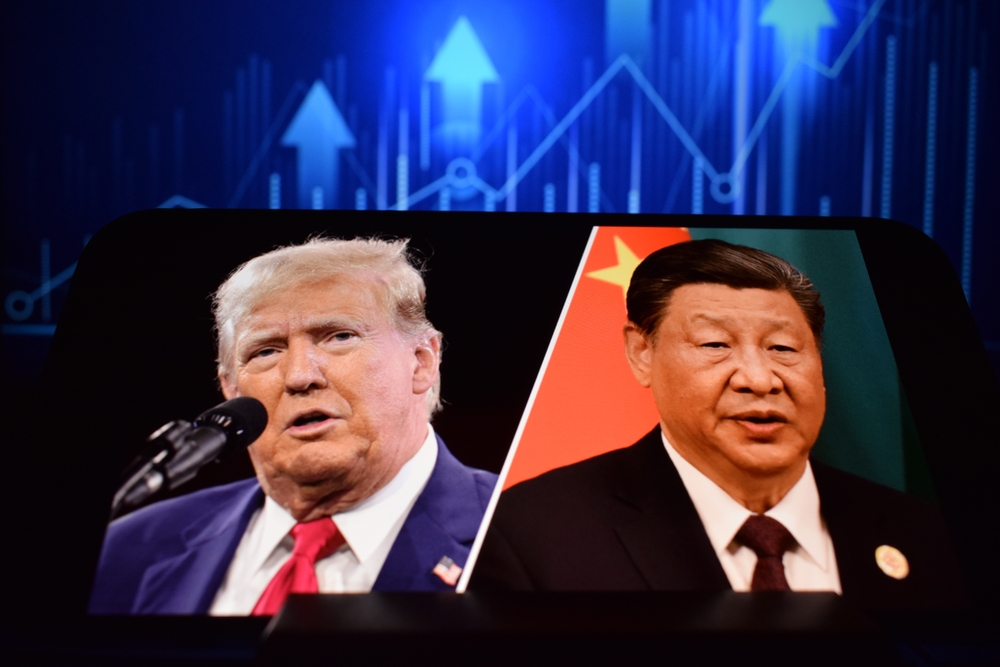
While national coverage of the extended U.S.-China trade truce focuses almost entirely on Midwestern soybeans, the practical impact for Oklahoma agricultural producers comes down to three specific commodities: grain sorghum, upland cotton, and beef carcass cutout value.
The decision by Washington and Beijing to push their tariff ceasefire deadline out to January 10 temporarily stabilizes trade policy through harvest and early winter marketing. For producers across the state, filtering out the macro-level corn and soybean rhetoric reveals where the agreement genuinely touches the bottom line.
Grain Sorghum: Protecting Critical Cash Basis
Nowhere is the bilateral trade relationship more direct for Oklahoma than in the sorghum sector. China consistently serves as the primary buyer for roughly four out of every five bushels of American grain sorghum exports.
For growers across the Oklahoma Panhandle, southwest counties, and north-central production areas, open access to Chinese feed and distillery markets is the single largest factor determining local cash basis. When trade friction leads to retaliatory duties, elevator basis levels can weaken sharply because domestic livestock feeding channels cannot quickly absorb that volume at comparable values. Pushing the trade deadline into early 2027 keeps Gulf and rail export pathways fluid right as producers wrap up harvest and make delivery decisions.
Upland Cotton: Defending Regional Export Flow
In southwest Oklahoma, cotton producers face a world market where China remains one of the top destinations for U.S. lint. While domestic textile mill use remains small, regional cotton gins and warehousing operations rely heavily on uninterrupted shipments to Asian mills.
Any sudden threat of tariff escalation directly hits ICE cotton futures and dampens turnrow bids from merchants. With harvest gearing up across the Southern Plains, avoiding abrupt duties gives merchants the certainty required to book export commitments and hedge warehouse receipts without baking in high tariff-risk discounts.
Cattle and Beef: The Cutout Premium on Calves
Oklahoma is fundamentally cow-calf country, and while producers are not shipping live cattle across the Pacific, Chinese demand for U.S. beef quietly supports the local auction block.
Packers rely on China for premium sales of short ribs, select muscle cuts, and variety meats that command significantly higher values overseas than domestically. Economists note that strong export cutouts add vital per-head value back to the feedlot, which directly underpins the bids feedyards and stocker operators pay for calves at Oklahoma City West, the OKC National Stockyards, and regional sale barns. When export markets remain open, that packers’ margin provides critical structural support to feeder cattle prices.
The Wheat and Soybean Divide
Conversely, two commodities that frequently dominate farm policy debate see very little direct movement to China from Oklahoma soil:
- Hard Red Winter Wheat: China primarily sources wheat from Canada, Australia, France, or Pacific Northwest soft white classes. Southern Plains HRW wheat moves overwhelmingly to regional domestic mills, Mexico, Japan, and the Caribbean. Trade announcements out of Beijing do not dictate cash wheat postings at Enid or regional terminal elevators.
- Soybeans: While China’s pledge to purchase 25 million metric tons annually drives the Chicago Board of Trade, Oklahoma produces only a modest fraction of the national crop. The truce protects overall futures prices on the CME, but local operations do not experience the direct volume impacts felt across the central Corn Belt.
For Oklahoma producers navigating market volatility this fall, the January 10 extension removes immediate downside tariff risk. However, with broader trade talks continuing, marketers emphasize using this window of stability to evaluate price-risk tools, cash sales, and local basis contracts before negotiations resurface after the new year.