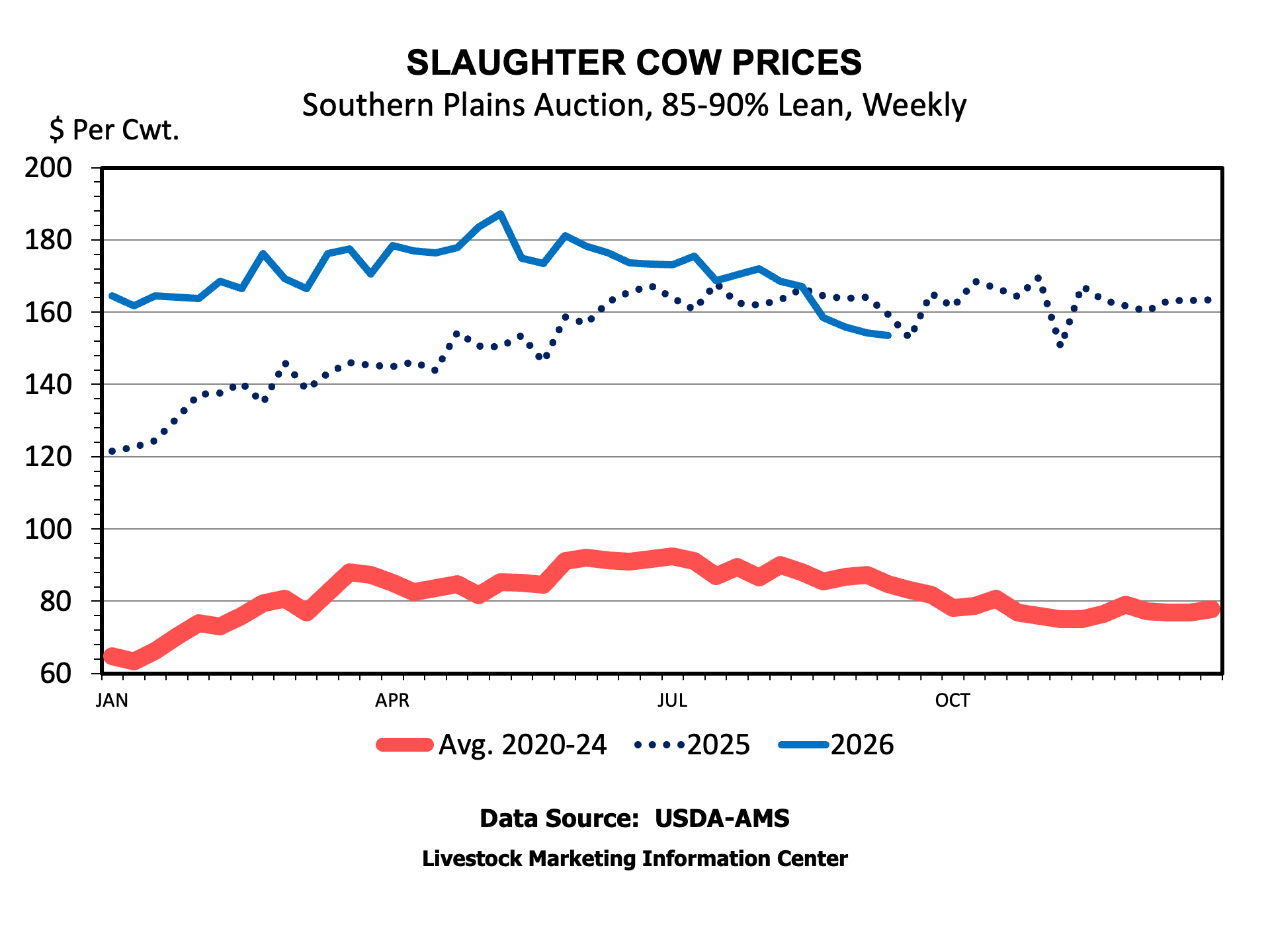
David Anderson writes in Southern Ag Today: Cull cow prices in the Southern Plains peaked at $187 this past Spring but have steadily declined to about $154 at the end of September. This 18 percent decline in cow prices is not far off the normal seasonal decline from about June to October of about 24 percent. Supply factors are important in the normal seasonal cow price decline and they are this year, as well.
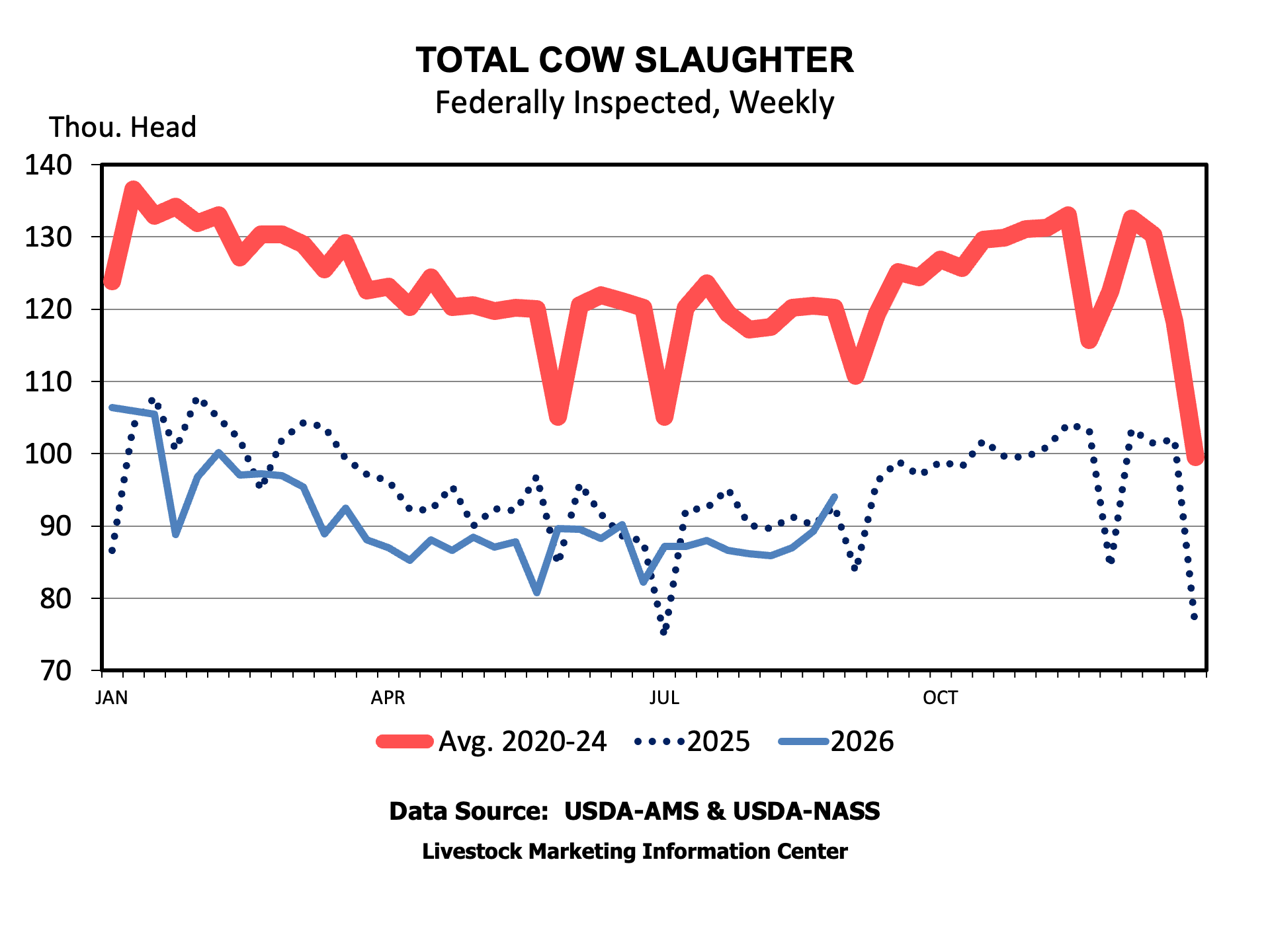
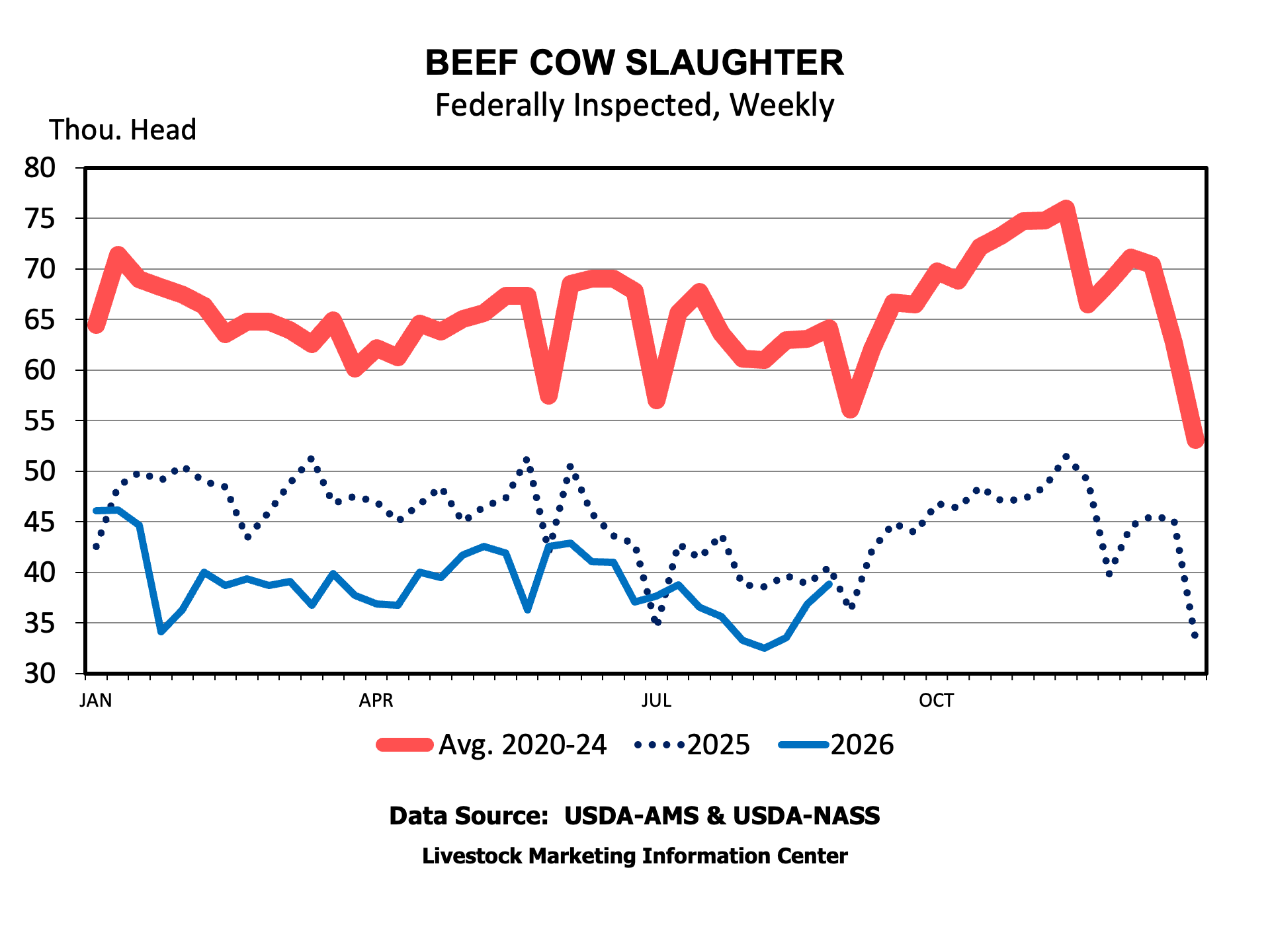
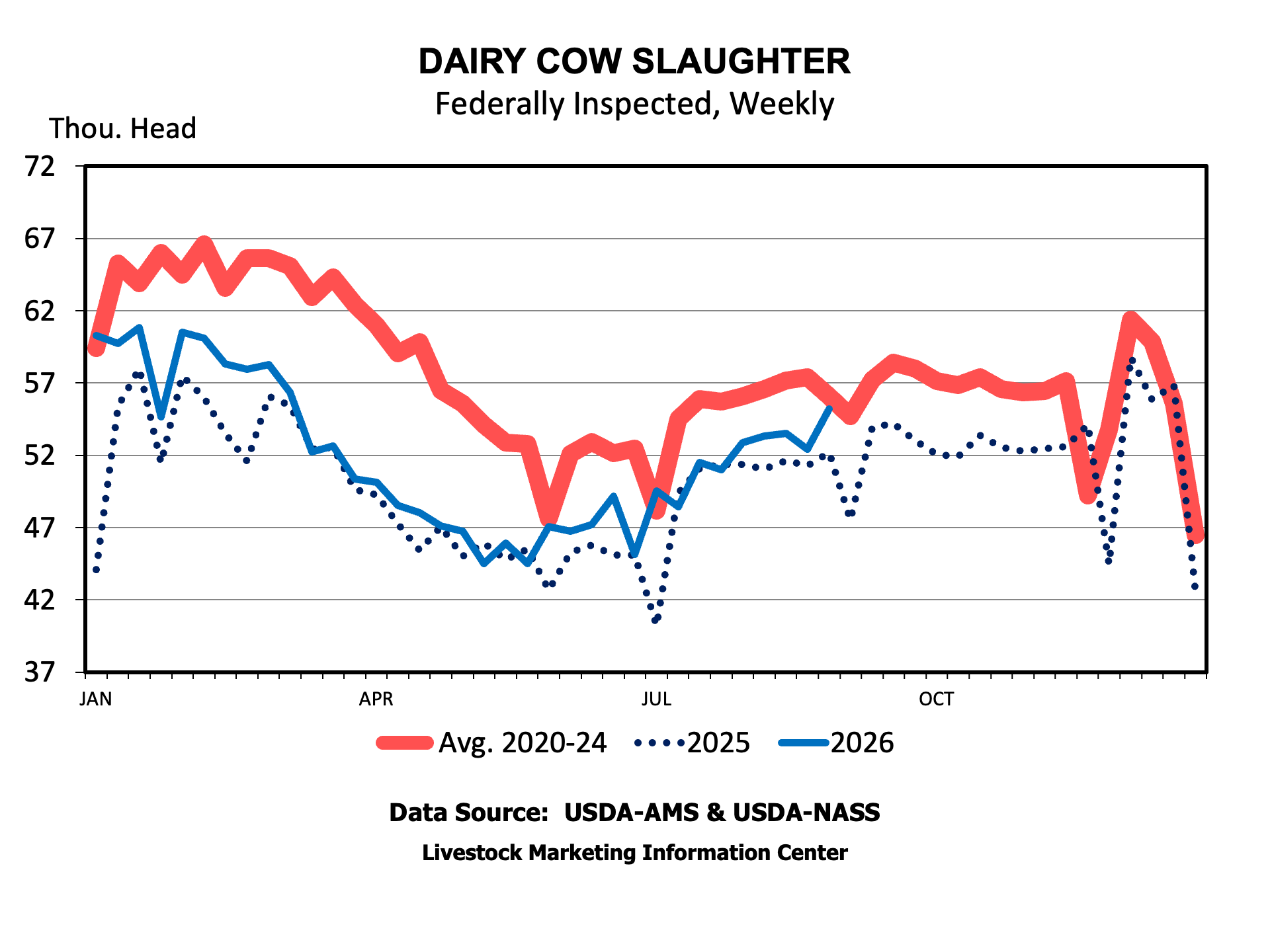
Total cow slaughter typically declines from the first of the year until about mid-year. Cow slaughter from both the dairy and beef cow herds typically declines during the first half of the year. On the dairy side, culling declines as milk production increases during the “Spring flush” and the cow herd expands. Beef cow slaughter declines as calving season ramps up. In the second half of the year, dairy culling increases and beef cow culling hits its peak as calves are weaned and sold. This year is not much of an exception to the normal pattern. Weekly dairy cow culling has been increasing since May and is at a faster pace than last year. More dairy cows are going to market largely because the dairy cow herd is the largest since the early 1990s. Weekly beef cow culling has remained well below last year and hit a multi-year low in August and has been climbing since then.
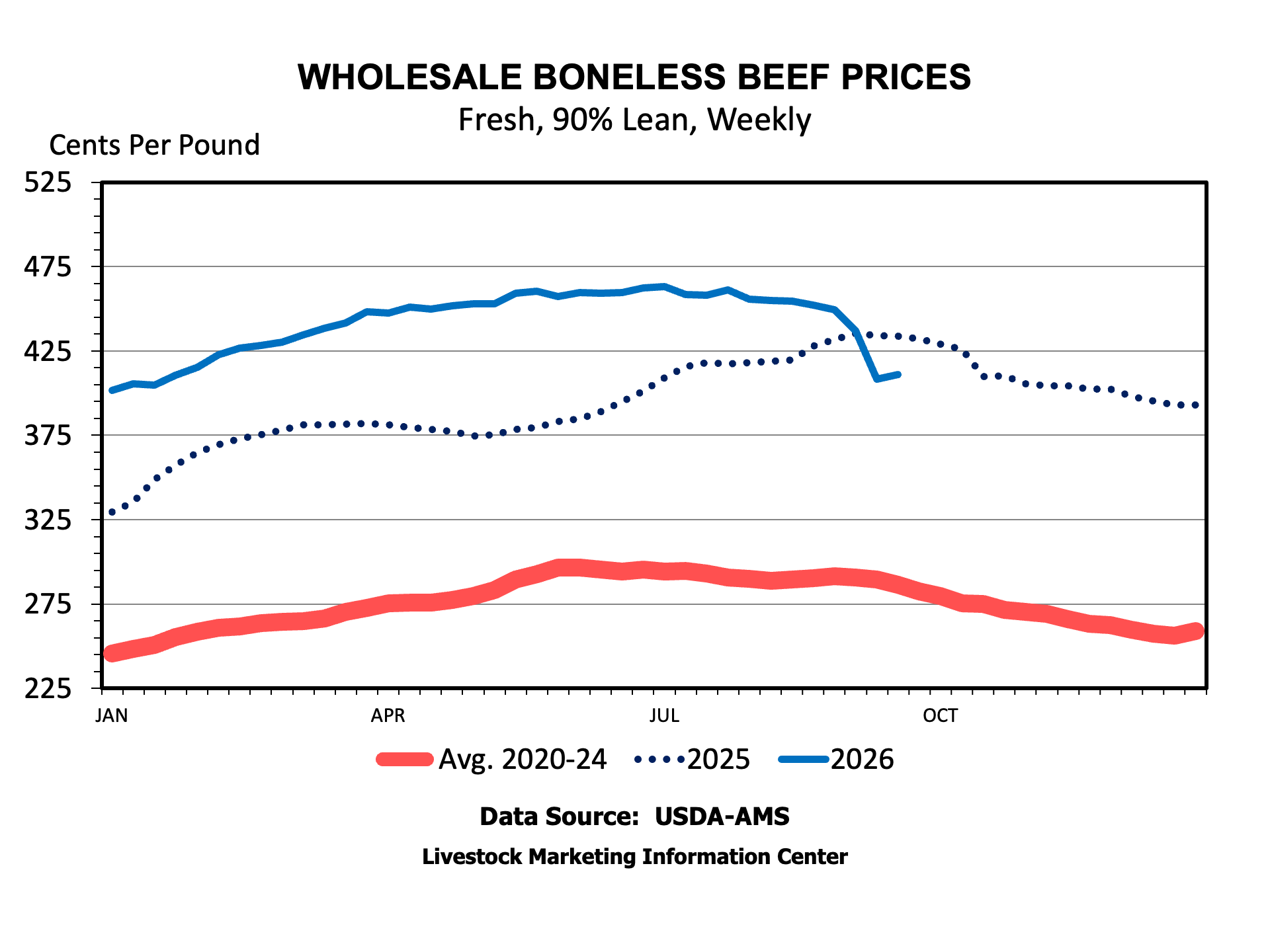
As cow culling increases cow beef, or non-fed beef, production increases boosting ground beef supplies. The wholesale price for 90 percent lean beef has declined from $4.49 to $4.11 per pound over the last 4 weeks as increasing supplies hit the market.
Other supplies are likely beginning to have an impact on prices. The U.S. was already importing a record amount of beef, the majority of which is lean beef trimmings for ground beef, when the announcement was made that relaxing the tariff rate quota allowing more of this beef into the country with no tariff. Some beef, above already expected imports, is likely starting to enter the country based on the latest weekly customs data.
Increasing cow culling over the next 2 months should continue to pressure prices lower. But, while lower cow prices should remain at historically high levels.
Anderson, David. “Cull Cow Prices Continue Slide.” Southern Ag Today