
Heavy widespread rains across Oklahoma brought much-needed moisture to dry soil, but Southern Plains crop markets face pressure from bearish federal production reports and shifting export dynamics. Farm Director KC Sheperd recently sat down with Oklahoma State University Extension Crop Marketing Specialist Dr. Todd Hubbs to examine how regional planting delays, local basis trends, and long-term biofuel policies are impacting producers.
Rain Delays Planters as Wheat Sinks Under Bearish USDA Numbers
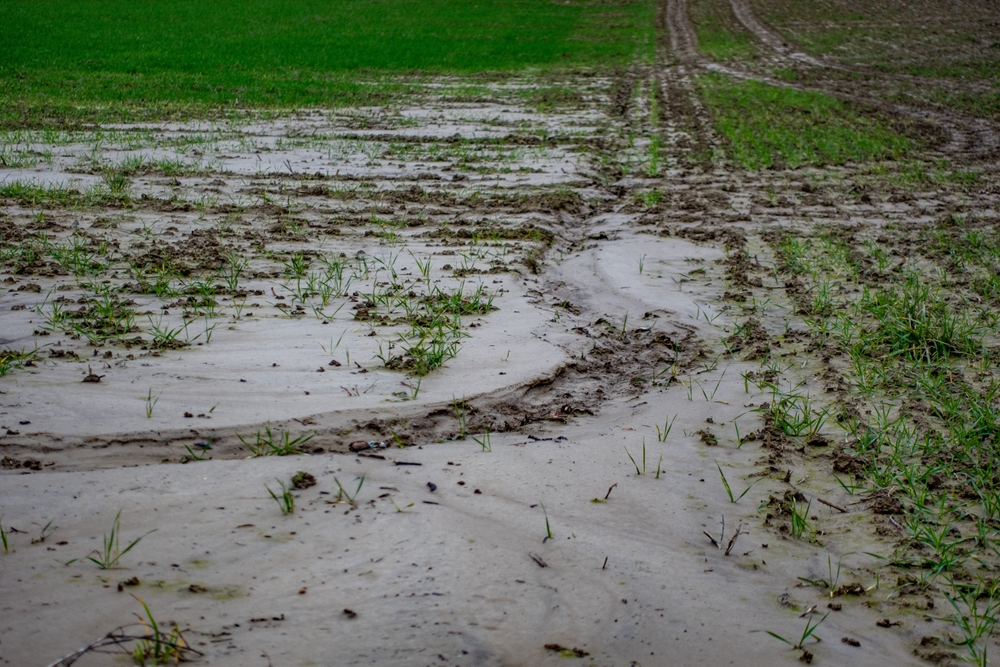
Recent rainfall events delivered more than five inches across parts of the Southern Plains, slowing down hard red winter (HRW) wheat planting pace while bringing relief to parched seedbeds.
“It’s going to take a while to get it up and moving,” Dr. Todd Hubbs noted. “If we had just had a little bit, folks could have gotten out there, but we’re talking five-plus inches. It’s going to be muddy, and I think it will delay planting a little bit. But in the end, they’ll get it in there. It’s just a matter of what kind of stand they get and how it looks through the winter.”
The moisture arrives alongside a tough stretch in the grain markets. Recent USDA reports delivered a bearish outlook across the grain and oilseed complex, dragged down by heavy corn supply projections and reduced HRW wheat export expectations. Dr. Hubbs highlighted that current July HRW new crop prices have settled around $7.30 per bushel, but projected crop insurance price floors still provide a substantial safety net for growers taking wheat to grain:
“If you’re planting wheat and we locked in a projected harvest crop insurance price of $8.11, and we’re over 80 cents below that now, there’s a lot of support there if you’re going to take it all the way to grain.”
Local Cash Basis Holds Stable Despite High Transport Costs
While futures markets continue to bounce against lower export figures, local cash basis across Oklahoma elevators has remained remarkably steady.
High diesel prices and elevated transportation costs continue to define shipping margins to the Gulf, where HRW export prices dropped more than 60 cents per bushel over the past month to better align with cheaper world wheat prices.
| Market Factor | Current Southern Plains Impact | Dr. Hubbs’ Near-Term Outlook |
| HRW Wheat Basis | Stable over the past two months despite Gulf price drops. | Expected to remain steady on old crop HRW through the winter due to limited regional crop size. |
| Feed Grain Spreads | Wide spread between sorghum (milo) and corn. | Sorghum will remain at a sharp discount until major international buyers, especially China, step in. |
| Row Crop Harvest | Southwest Oklahoma cotton harvest paused by rain; yield reports mixed. | Producers await whether USDA revises abandonment rates and yields upward or downward in future reports. |
Biofuels and Feedstock Demand: The 2027 Horizon
Looking beyond seasonal field operations, the long-term balance sheet for oilseeds hinges tightly on federal renewable fuel policy and refinery compliance deadlines.
With obligated refiners currently relying on banked Renewable Identification Numbers (RINs) to satisfy mandates through 2026, Dr. Hubbs anticipates a tightening market dynamic by 2027.
“They’re behind pace to hit their obligations in 2026, using up their RINs banked from over-capacity the year before. When they get into 2027, you should see really strong demand for feedstock—this includes tallow, soybean oil, stuff coming out of Oklahoma here, and canola oil. It’s going to be a knife fight in a phone booth between refiners and crushers.”
Production Action Items for Southern Plains Producers
- Verify Stand Establishment Timing: Monitor fields receiving over 5 inches of precipitation for crusting or poor seedling emergence as soil dries out before resuming drill operations.
- Review Revenue Protection Coverage: Evaluate farm-level coverage against the $8.11 crop insurance base price to calculate downside margin exposure at current cash levels near $7.30.
- Price Milo Discounts Carefully: Avoid unpriced local sorghum deliveries where local elevators maintain wide basis discounts to corn until export demand develops.