
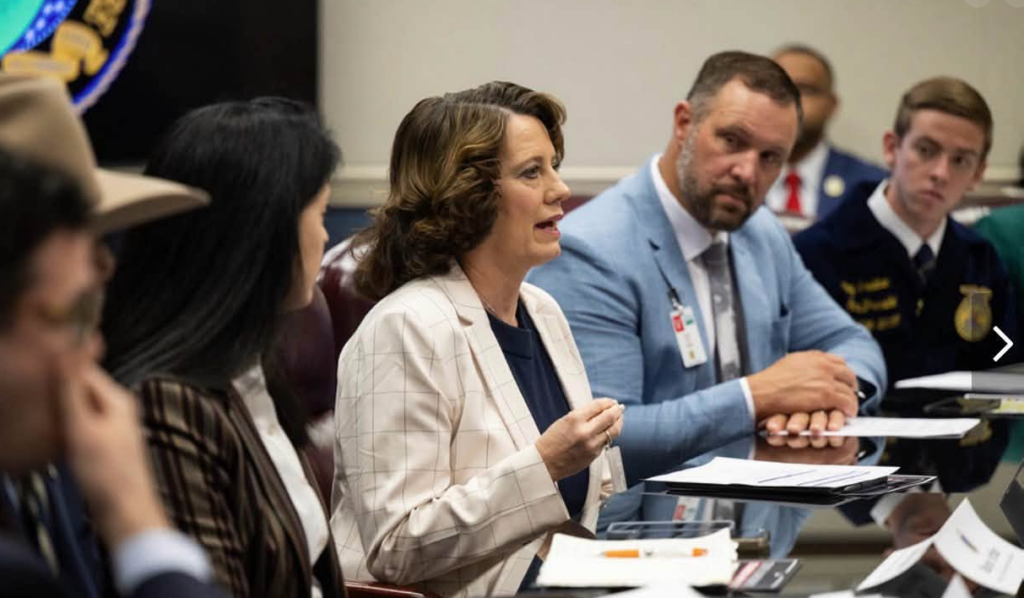
Oklahoma livestock producers facing persistent processing bottlenecks have new federal avenues for expansion and technical support, according to USDA Under Secretary for Food Safety Dr. Mindy Brashears. Sitting down with Farm Director KC Sheperd, Dr. Brashears highlighted key USDA initiatives aimed directly at resolving processing constraints, expanding interstate commerce, and building the next generation of meat inspection professionals.
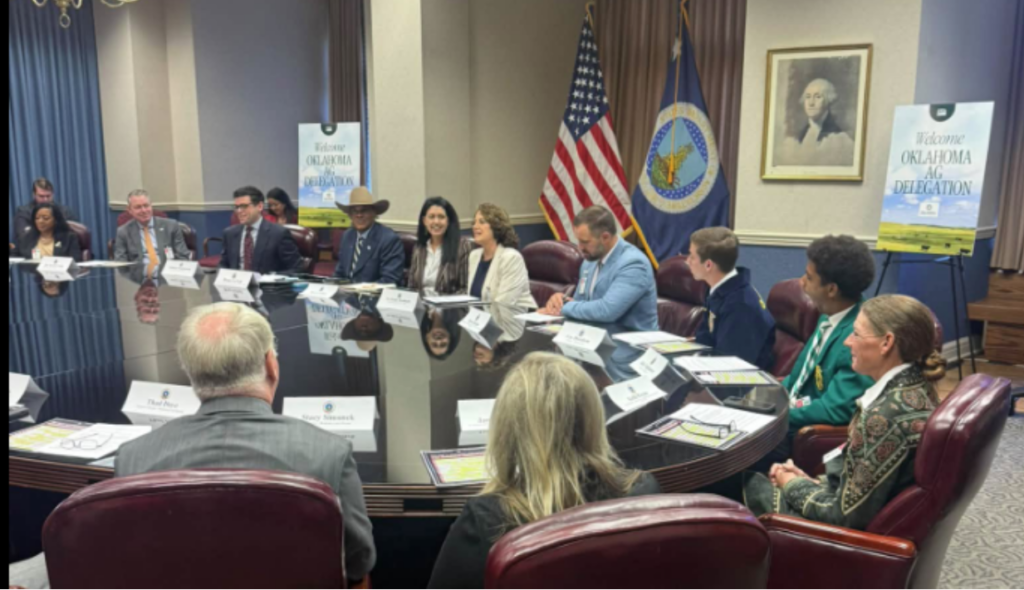
A graduate alumna of Oklahoma State University, Dr. Brashears recently visited with Oklahoma agricultural leaders and Oklahoma Secretary of Agriculture Blayne Arthur to hear firsthand the critical issues challenging cattle country. Topping the list was the urgent need for expanded harvest and fabrication facilities so ranchers can consistently get animals to market.
“One of the biggest concerns in this space is a lack of processing capacity,” Dr. Brashears explained. “We want to make sure that our ranchers have the ability to get their cattle or other species to the harvest facilities and then be able to get their product to the market to provide food for our American families.”
Funding and Loan Guarantees for Processing Infrastructure
To confront these bottlenecks, USDA has rolled out targeted programs designed to assist state agencies, universities, associations, and independent processors:
- $50 Million Meat Inspection Standup Program: This funding is available to states, state departments of agriculture, universities, and industry associations to cover training, technical assistance, and inspection enhancements.
- Expanding Market Reach via Talmadge-Aiken and CIS: While Oklahoma already operates a state meat inspection program and utilizes the Talmadge-Aiken (TA) program—enabling state-inspected products to cross state lines under federal guidelines—states can also tap funds to establish Cooperative Interstate Shipment (CIS) agreements. Under CIS, the federal government reimburses participating states for up to 60 percent of program expenses while facilitating interstate commerce.
- SPUR Loan Program (SPUR 2.0): Backed by USDA Rural Development, the program offers a 90 percent government loan guarantee tailored for processors looking to build, expand, upgrade facilities, or purchase commercial processing equipment.
Addressing concerns about federal red tape, Dr. Brashears emphasized that local Rural Development field offices are structured to guide independent locker plants and agricultural producers through the application process step by step.
“We’re really working on cutting that red tape—and on the food safety side, we say we’re cutting the red tape and not lowering our food safety standards,” Dr. Brashears said. “You really start out at your local Rural Development office. They work with our ranchers and farmers every day, understand these guaranteed loan programs, and can walk individuals through on a step-by-step basis.”
Approved commercial lenders partnering with USDA Rural Development then assist processors in securing financing through the finish line.
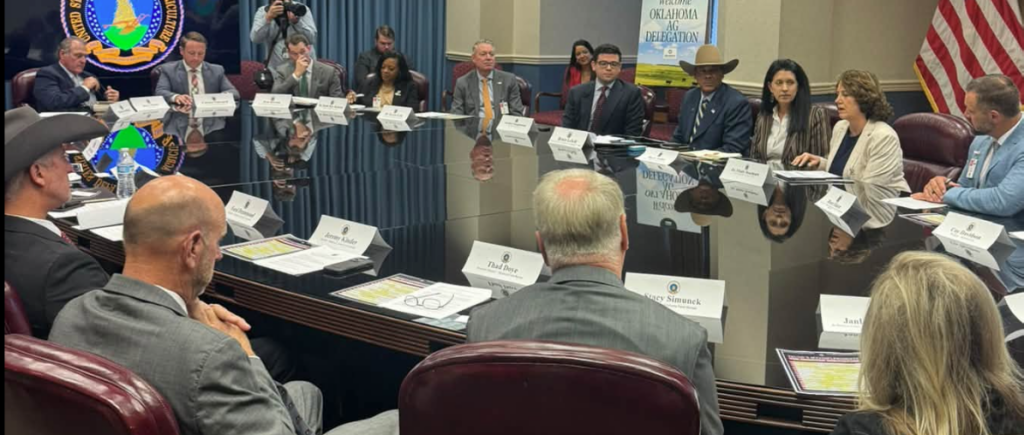
Dr. Mindy Brashears on Addressing the Meat Inspector and Veterinary Shortage
Processing throughput also hinges on having adequate inspection personnel on the plant floor. Dr. Brashears noted that USDA has taken proactive measures to expand inspector recruitment, retention, and field-level training across both state and federal jurisdictions:
- Hands-On Training and Mentorship: In addition to virtual learning, USDA has established an in-person Center for Food Safety training hub in Urbandale, Iowa, coupled with a mentorship model pairing veteran field inspectors side-by-side with incoming recruits.
- Recruitment for Food Safety Specialists: USDA actively recruits college graduates holding bachelor’s or master’s degrees in food science, animal science, and meat science to serve as consumer safety inspectors with expertise in HACCP and pathogen mitigation.
- Veterinary Staffing Pipelines: As the federal government’s largest employer of veterinarians, USDA continues targeted outreach and recruitment partnerships with veterinary colleges nationwide to fill vital supervisory roles.
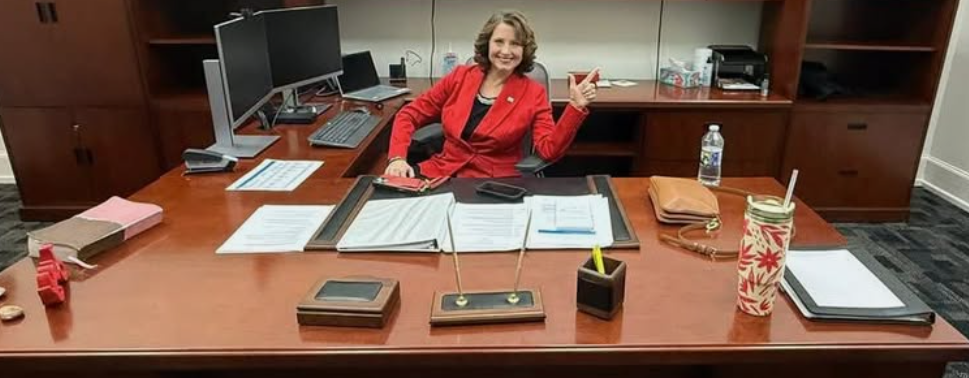
For Oklahoma agricultural producers and local processors seeking to expand harvest capacity or tap into guaranteed loan programs, Dr. Brashears recommended contacting their nearest USDA Rural Development service center as the immediate first step.