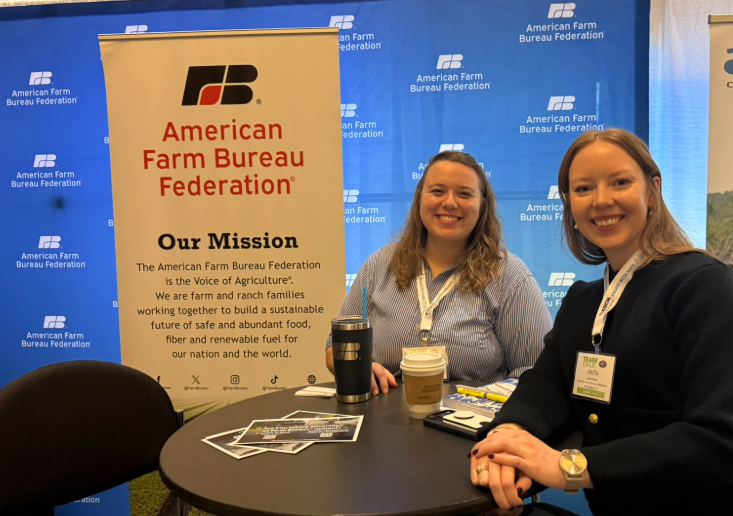
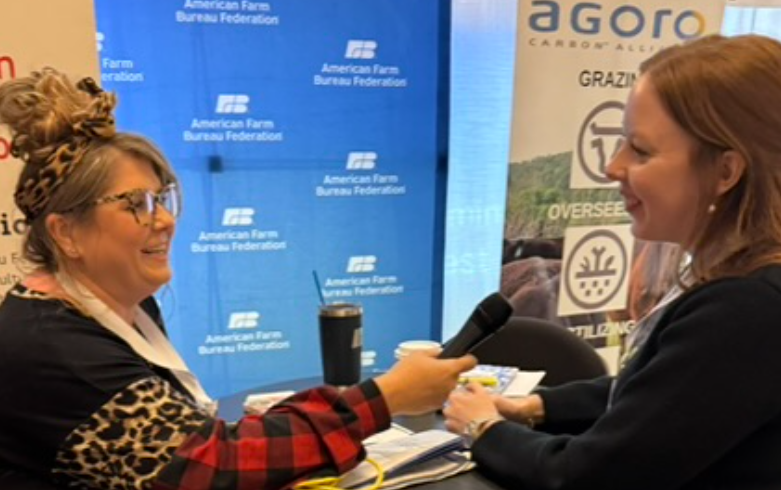
Farm Director KC Shepherd spoke with Faith Parham, an Economist at the American Farm Bureau Federation, about the ongoing struggles in the U.S. farm economy, the high cost of inputs, and the critical importance of trade deals and farm safety nets.
The Current State of the Farm Economy
Parham painted a clear picture of the difficulty facing farmers and ranchers, noting that the struggles have persisted for a few years.
- Low Prices: The sector is seeing historically low crop prices.
- High Costs: These low prices are accompanied by record production costs.
“When you add those two numbers together, it’s not looking good for our farmers and ranchers,” Parham said, emphasizing the need to focus on building markets both domestically and abroad.
Addressing Input Costs and the Future Outlook
Producers are currently battling the dual challenge of low prices and soaring input costs.
Parham highlighted a small win related to input costs:
- Fertilizer Tariffs: The Trump administration has removed tariffs on fertilizer, which is a good first step toward bringing those costs down.
- Looking Forward: The focus will be on further investigating where high prices are originating and how they can be affected at a national level to make them more feasible for producers.
The Need for Enforceable Trade Deals
The conversation shifted to trade, a hot topic for the industry.
- Positive Focus: The American Farm Bureau is pleased that the administration is focused on opening markets for U.S. farmers and ranchers.
- Enforceability is Key: Parham stressed that any new trade deals must be enforceable. In the past, unenforceable trade deals have created market instability and made it difficult for farmers and ranchers to plan.
- Goal: “We need to make sure that farmers and ranchers don’t get the short end of the stick” as the U.S. continues to negotiate new agreements.
Farm Bill Assessment
Regarding the latest legislation, which they refer to as the “big beautiful bill,” Parham noted its strengths and weaknesses:
- What It Covered: The bill reinvested in farm safety net programs. This included significant investments in crop insurance and Title 1 programs, which will benefit farmers in the future. However, these changes do not come into effect until next year.
- What It Missed: A full farm bill is still needed to address several programs that were not updated. These include:
- Loan Limits: Increasing loan limits for young farmers to keep pace with inflation.
- Titles: Updating forestry titles.
- Programs: Addressing various conservation programs.
Advice for Producers and Thanksgiving News
💡 Risk Management
Parham’s advice for producers trying to hold on until market conditions improve is to work closely with trusted advisors.
- Trusted Network: Consult with your lender, extension agent, or a trusted friend who knows your farm and operation.
- Tool Selection: Choose the risk management tools that best suit your unique operation.
🦃 Thanksgiving Dinner Costs Down
In a bit of good news, the cost of a traditional Thanksgiving dinner is down this year.
- Price Drop: The cost of Thanksgiving dinner is down 5%, marking the third consecutive year of declines.
- Inflation Ease: This suggests that food price inflation may be easing.
- Driving Factors: The decrease is largely driven by a drop in turkey prices, as well as other sides like stuffing and dinner rolls.