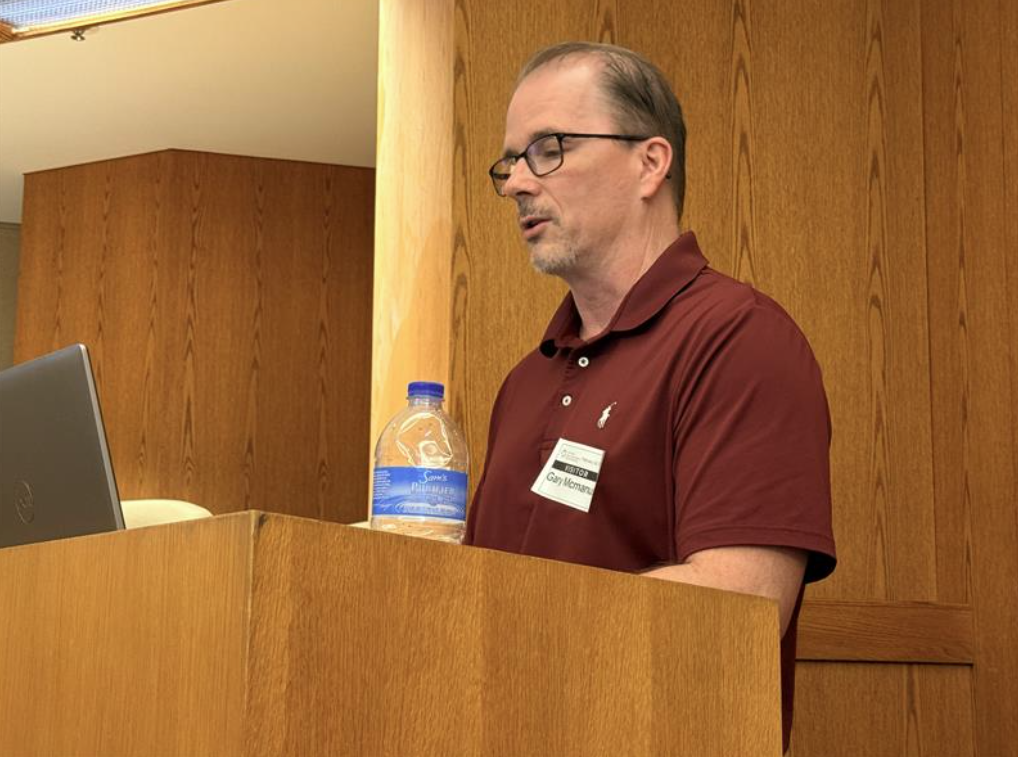
At a Drought Commission meeting, Oklahoma State Climatologist Gary McManus sat down with KC Sheperd to lay out just how serious current drought conditions have become across the state. McManus was direct about the situation, saying, “Yes, we are very much in a drought, and we’re probably going to be in a drought for a while,” adding that it was important the commission reconvened now as conditions worsen.
McManus explained that Oklahoma briefly caught a break last summer, but that relief didn’t last. “We had a good three to four months of very little drought,” he said, before conditions shifted rapidly. According to McManus, “Concern started early in the fall… a very warm period, a very dry fall, and then an even drier winter,” with temperatures staying above normal since August—an unhealthy combination that has accelerated drought development.
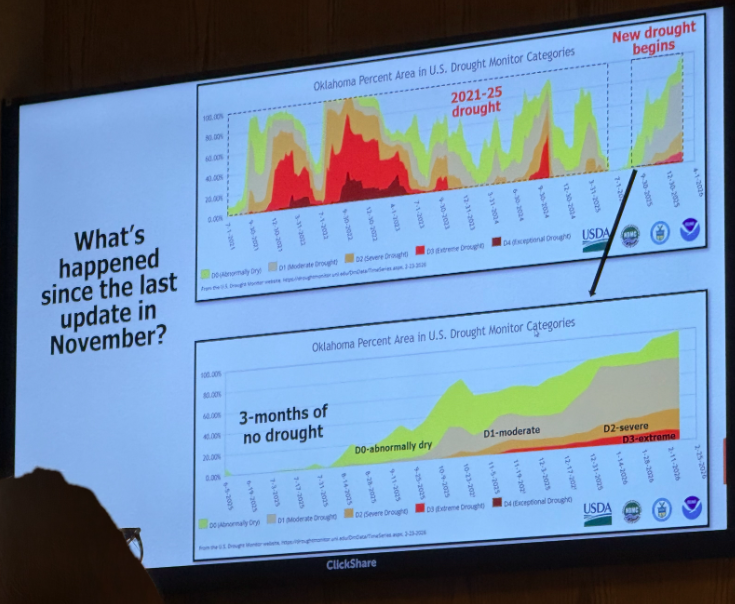
As part of his presentation to the commission, McManus outlined extreme dryness across multiple regions. He noted that northwest Oklahoma has gone “three months or more without a quarter inch of rain in a single day,” while northeast Oklahoma has experienced its “driest [90-day] period on record.” Statewide, McManus said the last three months rank as “the second driest over that 90-day period,” an alarming statistic for mid-winter.
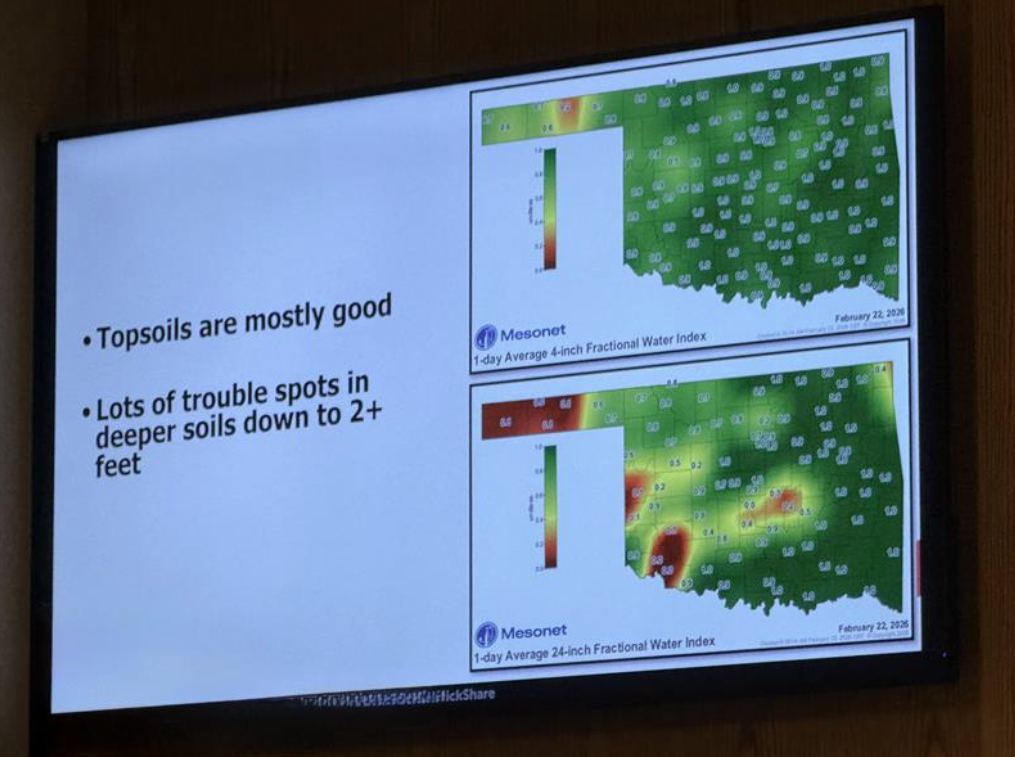
The conversation also turned to soil moisture, which had held up better earlier in the season. McManus said, “At least the topsoil… has been replenished” thanks to late-January snow and ice, but warned deeper soil layers are in rough shape. “When you get below… two to three feet, it’s pretty bad over a good portion of the state,” he explained, adding that warming temperatures and wind will cause surface moisture to “deteriorate rapidly.”
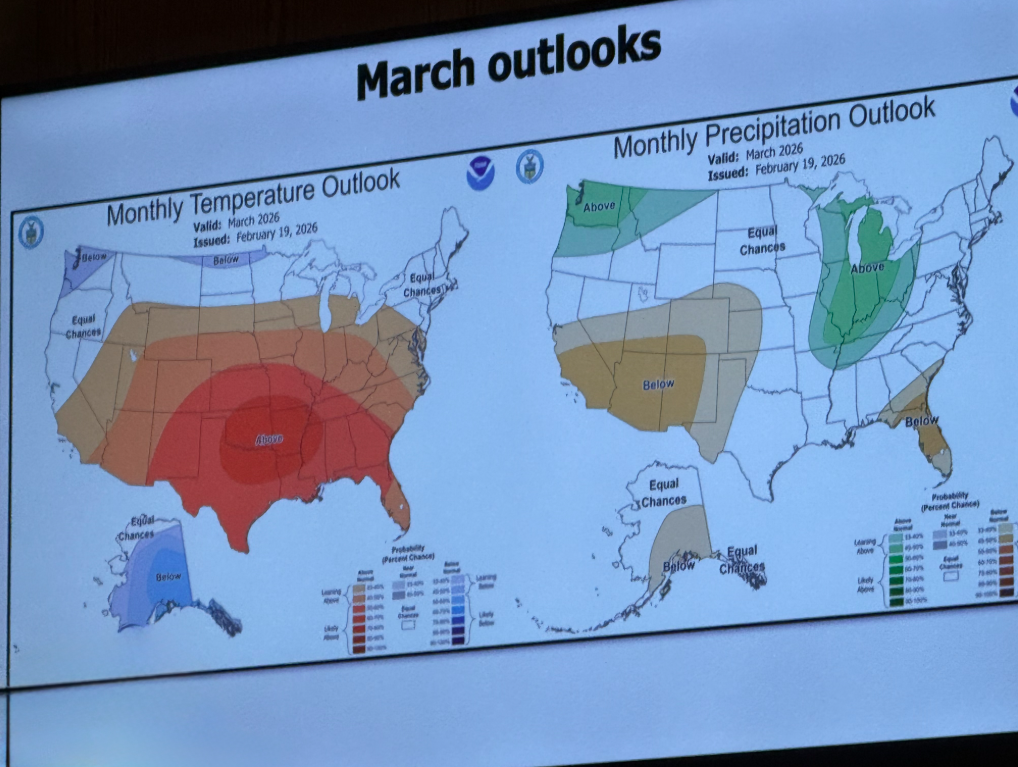
When asked about any potential relief, McManus offered cautious optimism. “There’s a chance for rain next week, but it’s not like it’s a done deal,” he said, comparing Oklahoma weather forecasts to “looking at the old Sears catalog” and ending up disappointed. Meanwhile, fire danger remains extreme. “The soil moisture and the fuel load is worse because of the drought,” McManus warned, emphasizing that even moderate fire weather conditions now pose “a very serious, critical fire danger.”