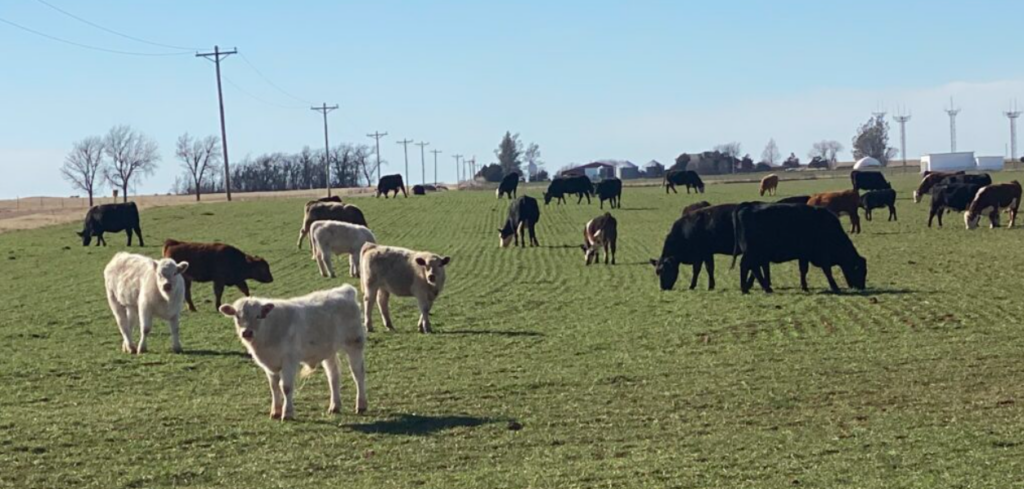
The U.S. Department of Agriculture (USDA) and the Department of the Interior have officially signed a Memorandum of Understanding (MOU) to improve coordination of federal grazing lands. This strategic partnership, announced by Agriculture Secretary Brooke Rollins and Interior Secretary Doug Burgum, is designed to enhance ranchers’ land use and ultimately fortify the beef supply across the nation.
Unlocking Millions of Acres
Currently, there are approximately 29,000 grazing allotments situated on federal lands. While many of these are active, Secretary Rollins noted that about 10% of these allotments—totaling 24 million acres across the Forest Service and the Bureau of Land Management (BLM)—remain vacant.
In the BLM alone, there are 1,200 vacant allotments ready for use. By increasing access to these lands, the federal government aims to provide ranchers with more opportunities to expand their operations.
Economic Impact of Livestock Grazing
The economic contributions of grazing on federal lands are substantial, supporting thousands of jobs and generating billions in output:
- Forest Service Lands: Livestock grazing supports 14,000 jobs and contributes $645 million to the national GDP annually.
- BLM Western Rangelands: These areas generate $2.7 billion in total economic output and support 35,000 jobs.
Rebuilding the National Cattle Herd
The new grazing action plan is a critical component of a broader initiative launched last fall to fortify the beef supply and rebuild the national cattle herd. The plan focuses on lowering costs for producers and ensuring that ranchers have the stability needed to thrive for generations.
Secretary Rollins highlighted several encouraging signs that the industry is beginning to recover:
- Reduced Slaughter Rates: The slaughter of beef cull cows is declining faster than historical seasonal averages.
- Inventory Growth: The January cattle inventory report showed a year-over-year increase in heifers held as replacements and heifers expected to calve.
Streamlining Federal Cooperation
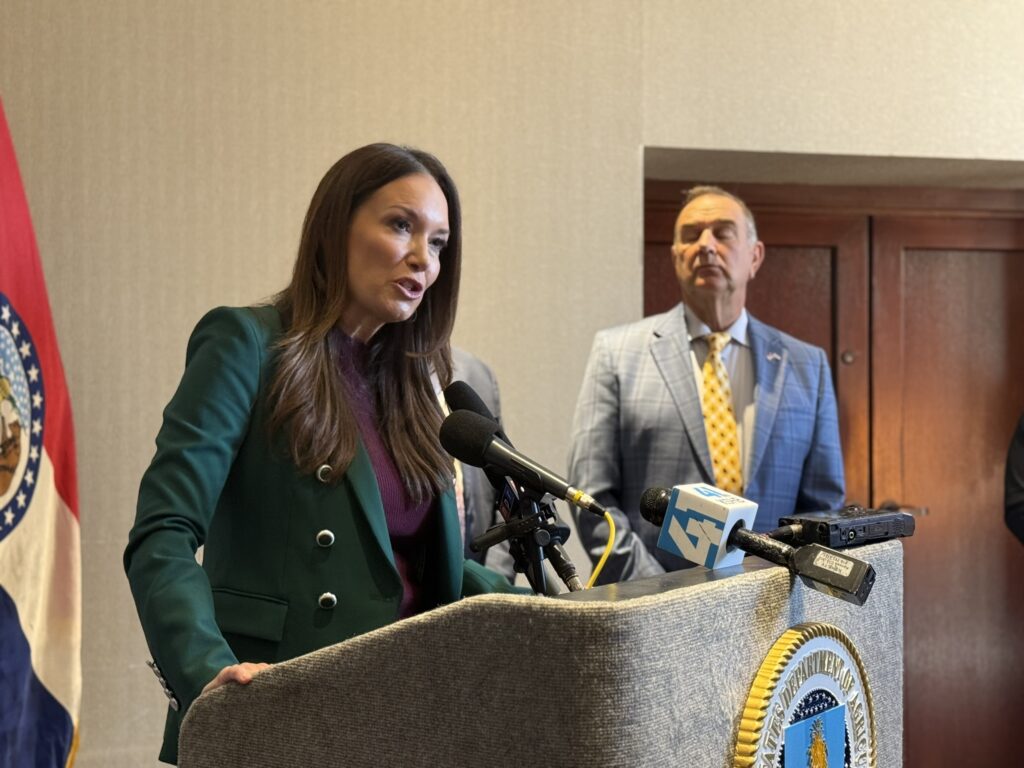
Interior Secretary Doug Burgum emphasized that the MOU creates a “single point of contact” for ranchers, replacing the previous system of dealing with two separate departmental approaches. By cutting red tape and unlocking federal lands, the agencies aim to lower operational costs for American ranchers.
Farm Director KC Sheperd notes that these administrative shifts are intended to provide a more cohesive and supportive environment for the agricultural community as they work to expand the domestic herd.