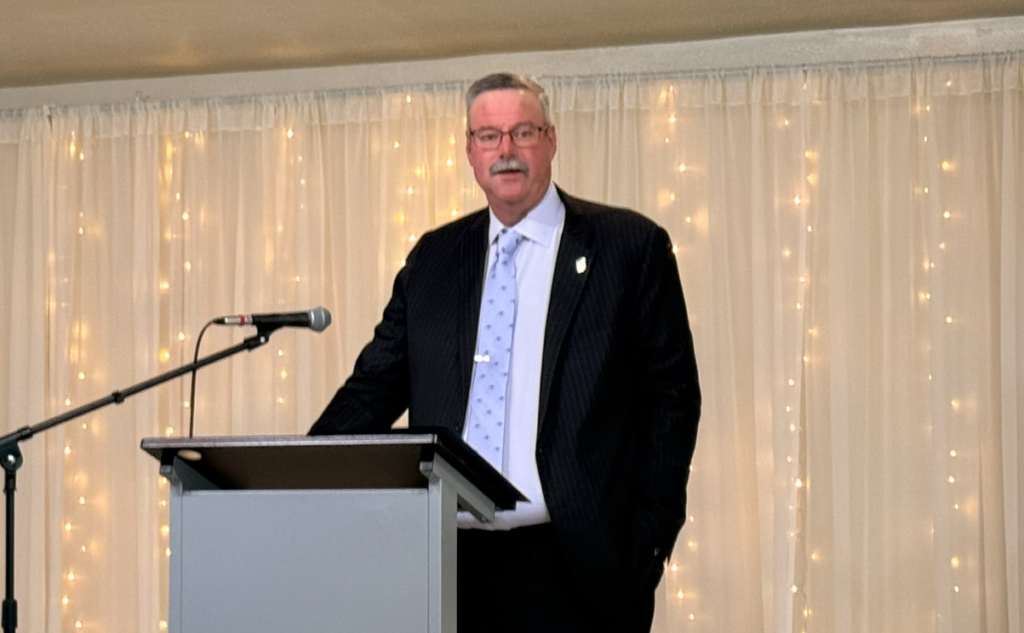
Oklahoma State Senator Casey Murdoch recently sat down with Farm Director KC Sheperd to discuss the legislative landscape surrounding Oklahoma agricultural protections. Murdoch emphasized that his primary focus remains safeguarding the land rights and freedoms of rural Oklahomans amidst increasing challenges from frivolous lawsuits and urban expansion into rural areas.
Glyphosate and Crop Protection Tools
A major issue for agriculture, Murdoch said, is the ongoing debate over glyphosate and continued access to tools like Roundup. He pointed to legislation he supported aimed at limiting what he described as “frivolous lawsuits” tied to the herbicide and protecting its availability for farmers.
He noted that without access to this technology, the state could face devastating production losses.
- Economic Consequences: These losses would ripple through the economy, affecting food prices and the cost of gain at feed yards.
- Legislative Action: Murdoch introduced legislation to protect companies like Bayer from frivolous lawsuits that threaten the continued availability of essential agricultural products.
“You look at our Roundup Ready corn, our Roundup Ready beans,” Murdoch said, stressing the scale of production impacts if access were lost. He warned that without glyphosate, “it’d be about 82% loss of production with beans and about 60% loss of production in corn,” adding that such losses would ripple through the entire food system. “That affects food prices, that affects cost of gain prices at feed yards,” he said, emphasizing, “we’ve got to have it.”
Rural Property Rights and Growing Tensions
Murdoch also spoke at length about what he views as a growing conflict between traditional agricultural communities and newcomers moving into rural areas. He said some new residents relocate seeking space and quiet, but then attempt to change how rural life operates.
“We’re under attack in rural America,” Murdoch said, explaining that conflicts often arise when people “move in next to a feed yard and they gripe about the smell… or the dust or the loud tractor sounds.” He argued this pressure is driving discussions about zoning laws, which he strongly opposes.
“We don’t need zoning laws in rural Oklahoma,” he said. Murdoch added that property rights must remain central, saying, “If I want to build a barn on my piece of property and paint it pink with purple polka dots, that’s my business.”
Livestock Transportation and Emergency Response
Murdoch highlighted legislation aimed at improving responses to livestock transportation accidents, noting that thousands of cattle are moved across highways daily and that incidents can become chaotic—especially in urban areas.
He said his proposal allows the Oklahoma Department of Agriculture to set clearer guidelines for handling livestock in a wreck situation. “It lets the Department of Ag promulgate rules on how a truck wreck is to be handled,” Murdoch said, explaining that proper planning helps prevent animal welfare issues and misinformation after accidents.
Modernizing Agricultural Statutes
The Senator also addressed a request bill from the Oklahoma Department of Agriculture intended to streamline state statutes regarding milk production. Following a USDA and FDA audit, it was recommended that Oklahoma consolidate various milk laws—covering everything from goats to other mammals—under a single statute. However, Murdoch noted that the bill faced unexpected hurdles due to misinformation spread on social media, including claims that the legislation would harm small-scale operations like donkey dairies.
Murdoch warned that failing to pass the bill could have jeopardized Oklahoma’s Grade A status, which is essential for shipping milk products out of the state. He expressed deep concern that emotional social media posts could jeopardize a major industry, noting that when someone can influence policy through propaganda and lies, it is a scary situation for agriculture. The situation became so volatile that leadership was forced to pull the bill from the Ag Committee to ensure it could be passed through an alternative route, saving the state’s dairy sector.