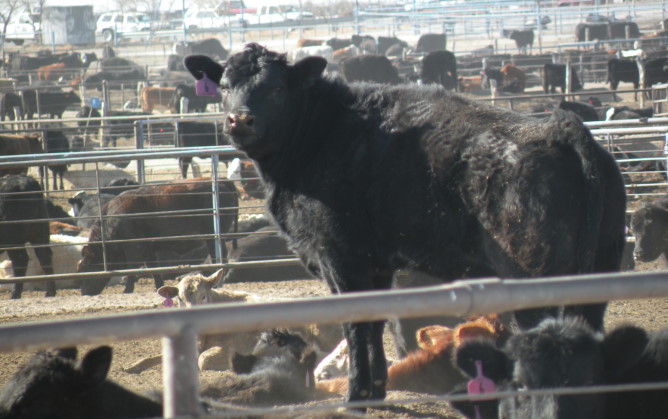
Oklahoma State University Extension Livestock Market Economist Dr. Derrell Peel talked Friday with Senior Farm and Ranch broadcaster Ron Hays about the USDA’s April cattle-on-feed report which shows a modest tightening in supply. “Placements in March were 92.7% of last year and marketings were 94.5%, which gives us an April 1 on‑feed inventory at 99.5% of last year,” Peel said.
The results were largely in line with market expectations. “There’s no big surprise in this — it leans a little bit on the bullish side of both placements and marketings, but neither were outside the range,” he said. Peel noted placements sat at the low end of the trade range while marketings were near the high end.
On Feed Numbers Continue Long Term Decline
The April 1 figure marks the 17th consecutive month of year‑over‑year declines in on‑feed inventory. “We’re not down very much, only about a half a percent, but it does make this the 17th consecutive month that the on‑feed number has been down,” Peel said. “The bottom line is we are moving less cattle through the system — we don’t have as many cattle and it shows up as reduced throughput in the feedlots.”
On the quarterly heifer breakout, Peel highlighted only modest change. “The heifer percentage came in at 37.3% — down slightly from last year and about the long‑run average,” he said. “Heifer slaughter is declining and replacement‑heifer inventories are up slightly, so we’re seeing a little heifer retention, but it’s very minimal and very slow.”
Peel acknowledged processing shifts from recent plant closures but said they haven’t fundamentally altered the supply picture. “Plant closings cause a lot of shifting around, but they haven’t changed the overall situation that much,” he said.
Looking Ahead- Peel Worries About Drought and Consumer Demand for Beef
Drought and fuel prices are key risks he’s watching. “It’s a looming dark cloud — if we go another 45 or 60 days without significant moisture, we’ll probably start to see impacts develop pretty quickly,” Peel warned. On fuel and geopolitical pressure, he added: “Prolonged high gasoline prices are a bigger threat — they can erode consumer incomes and eventually force lower beef demand.”
Despite uncertainties, Peel said producers generally remain upbeat about current prices but nervous about multiple risks. “Producers are enjoying the markets we’re in, especially cow‑calf operators, but there’s a lot of nervousness — packing infrastructure, border issues, pests, geopolitics — a lot of shoes that may drop,” he said.
The Beef Buzz is a regular feature heard on radio stations around the region on the Radio Oklahoma Ag Network and is a regular audio feature found on this website as well. Click on the LISTEN BAR above for today’s show and check out our archives for older Beef Buzz shows covering the gamut of the beef cattle industry today.