

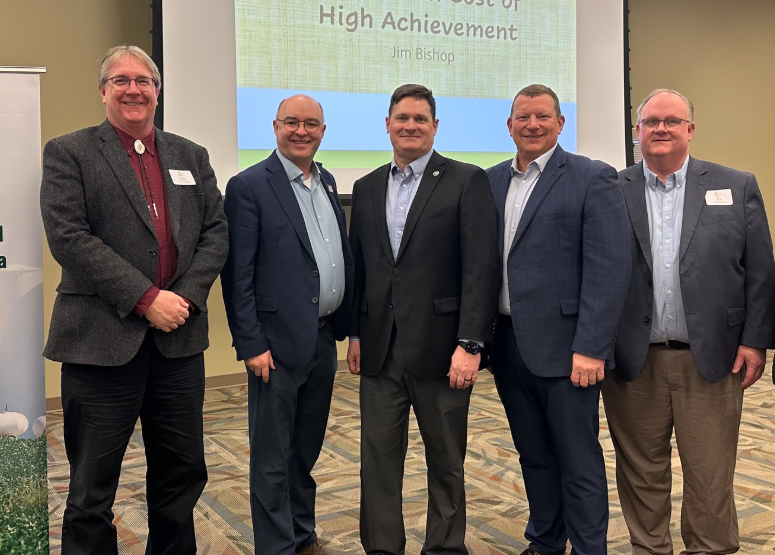
The Agricultural Retailers Association (ARA) is currently navigating a complex landscape of policy risks and market volatility driven by international conflict and domestic regulatory shifts. In a recent discussion with Maci Carter of the Oklahoma Farm Report, Richard Gupton, Senior Vice President of Public Policy and Counsel for the ARA, highlighted the critical issues facing the industry, from skyrocketing input costs to the upcoming 2026 Farm Bill.
Immediate Policy Risks and Economic Pressures
The primary concern for agricultural retailers and their farmer customers is the instability in energy and fertilizer markets, exacerbated by the Iran conflict. This global instability has directly translated into higher diesel prices and reduced product availability.
“The Iran conflict has created some instability related to the fertilizer market… and that has it also in the oil and gas industry. You’re looking at high diesel prices. So all of those things are increasing costs on our retail members’ operating costs, but also on farmers too.”
To combat these pressures, the ARA is working with lawmakers to find both short-term and long-term relief, including advocating for tariff reductions on fertilizers and measures to bolster supply chain stability.
Legislative Priorities: The 2026 Farm Bill and Regulatory Relief
A significant focus for the ARA is developing a multi-year Farm Bill that provides long-term stability for the agricultural sector. Gupton emphasized several key areas of interest within the legislation:
- Conservation Programs: Strengthening public-private partnerships to implement conservation initiatives, especially given staffing shortages at the USDA.
- Certified Crop Advisors: Ensuring that USDA recognizes these professionals as technical service providers.
- Crop Insurance: Maintaining a robust and reliable crop insurance program.
- Pesticide Provisions: Seeking regulatory certainty regarding pesticide use and registration.
Additionally, the ARA is pushing for year-round availability of E15 fuel and increased domestic energy production to lower pump prices.
Technological Innovation and Future Opportunities
Despite the current challenges, Gupton sees significant opportunities in emerging technologies. The development of bio-stimulants and new agricultural chemicals currently in the EPA registration pipeline promises to help lower operating costs and keep U.S. farmers globally competitive.
However, the ability to utilize these innovations depends on a functional transportation infrastructure. The ARA is advocating for continued investment in rail, highways, bridges, and inland waterways.
“You have to be able to move it through rail, highways and bridges and inland waterway systems… we need to do the same here and get rid of outdated laws or at least reform them on things like the Jones Act.”
A Call for Industry Engagement
Gupton concluded by stressing the importance of active participation in the political process. He urged retailers and farmers to stay engaged with their trade associations at both state and national levels to ensure their voices are heard in Washington, D.C.
“You got to get engaged. You have to speak up, be involved with your trade associations… because as we say, if you’re not at the table, you’re on the menu.”







