
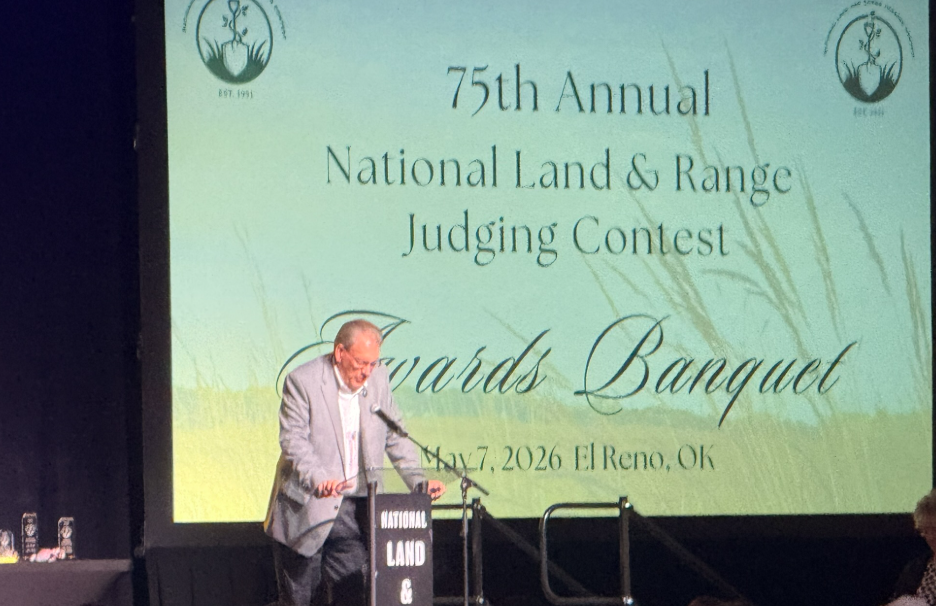
The National Land and Range Judging Contest is far more than a simple academic competition; it is a cornerstone for the future of global food security and environmental stewardship. As Farm Director, KC Sheperd discussed with Larry Wright, the event’s longtime leader, the contest represents a lifelong commitment to the protection of natural resources. For Wright, who grew up in a farming family, the contest is a way to pass on a passion for conservation that he simply “can’t get away from,” even in retirement.
A Foundation for Global Food Production
At its core, the contest is driven by the fundamental need to feed a growing population. Wright emphasizes that understanding and protecting the soil is a prerequisite for feeding families, the nation, and the world through exports. By teaching young people to “use our soil wisely,” the program ensures that the conservation practices developed over decades continue into the next generation.
Professional Pathways and Mentorship
The significance of the contest extends into the professional realm, serving as a primary pipeline for future agricultural leaders.
- Career Development: The contest is a premier learning experience for students interested in careers with the Natural Resources Conservation Service (NRCS) or the USDA.
- Expert Access: Students work directly with professional soil and range scientists who set up the official contest sites.
- Networking: National leaders, such as the NRCS Chief, attend the event to observe the “brightest and the best” young minds in the field.
The Magnitude of the Competition
The emotional and logistical weight of the event is reflected in its massive scale and the dedication of its participants.
- Elite Participation: To even attend the national event, teams must first win at the state level.
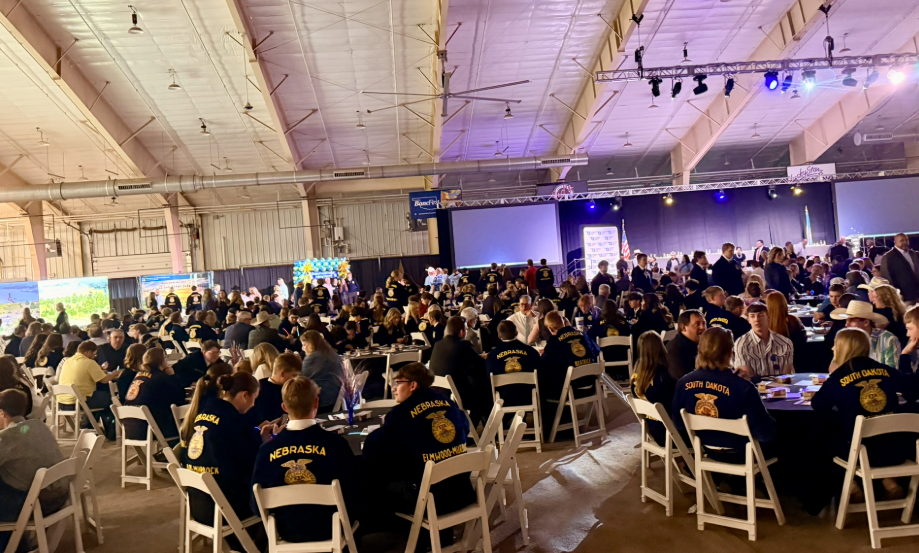
- National Reach: This year, 191 teams representing 32 different states traveled to Oklahoma to compete.
- Community Impact: Including alternates and coaches, the final banquet hosts approximately 1,400 individuals, celebrating the hard work of nearly 1,000 contestants.
For the students, the contest is an eye-opening experience that challenges their knowledge of the region. For instance, contestants from the Houston area, accustomed to coarse, rocky ground, are often amazed by the fine, “flower-like” textures of Oklahoma soils. Ultimately, the medals and trophies awarded to the top 4-H and FFA teams are symbols of a much larger achievement: the mastery of the very earth that sustains us all.
For the list of winners in the National Land and Range Contest, click here: