

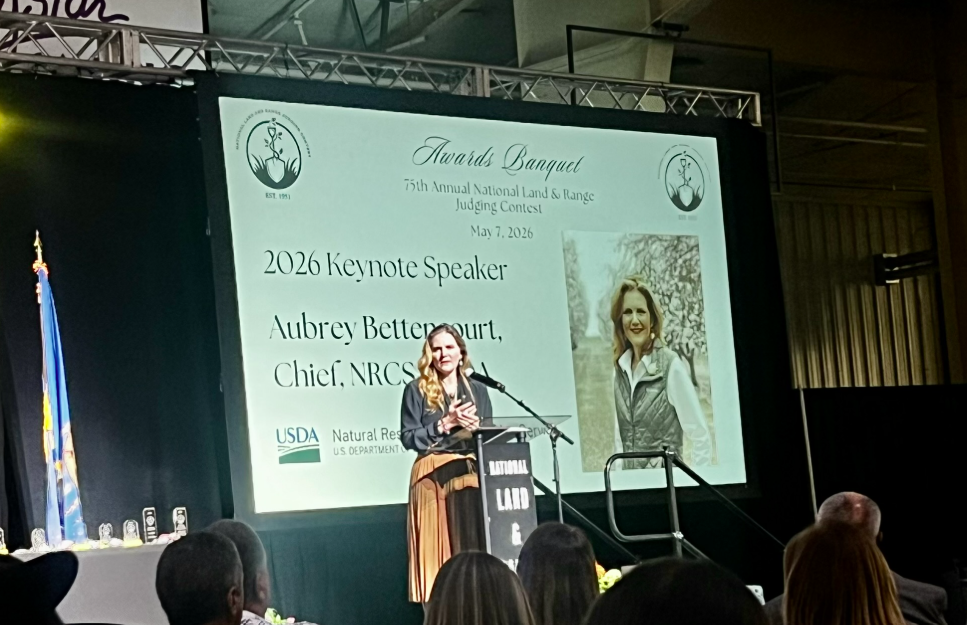
NRCS Chief Aubrey Bettencourt recently visited Oklahoma to witness the state’s ongoing conservation efforts and engage with over 900 youth participants at a national land judging contest. Farm director KC Sheperd was on hand with Bettencourt who described the state as the “birthplace of the service,” Bettencourt emphasized that the agency’s primary mission is to remove “friction points” and provide the technical expertise necessary to keep producers sustainable. “I need to hear from them what it would take to keep them in this industry,” Bettencourt said, highlighting a department-wide focus on ensuring that local staff have the flexibility to address the unique challenges facing Oklahoma producers today.
Cultivating Leadership and Soil Health
A major focus of Bettencourt’s visit was the intersection of youth education and the practical application of soil health principles. She observed that while soil health has occasionally become a “buzzword,” seeing hundreds of students actively studying the landscape provides a more profound perspective on the industry’s future. “It was fun to watch folks from different parts of the country all of a sudden just be shocked that like, ‘we don’t have anything like this back home,'” she remarked, noting the high level of commitment shown by the competitors.
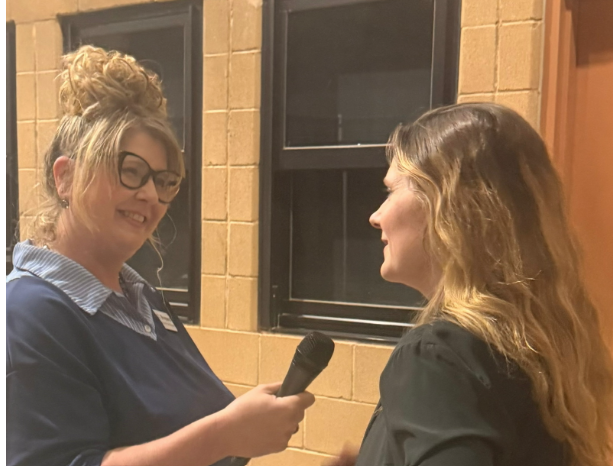
Bettencourt believes the value of these programs extends far beyond the farm gate. “They learn what it means to function in the real world—what it means to, if you don’t show up, something suffers and dies,” she stated. Whether these students become doctors, lawyers, or members of the military, she noted that they carry a unique brand of leadership developed through their connection to the land. “To take what they learn here as leaders and they learn to lead where they stand, that’s what gives me hope,” she added.
Managing Through “Flaming Red” Disasters
During the event, Sheperd asked Bettencourt about the agency’s concern regarding the current weather patterns. Bettencourt expressed vital concern for the drought across the plains and the country, noting that the drought monitor is currently “flaming red” from Georgia through the Oklahoma panhandle. She highlighted that many producers are facing a “double hit” of recovering from wildfires and moving directly into an extended drought, and emphasized that the NRCS is prioritizing flexibility for local staff to ensure they have the resources to meet producer needs during these sequential disasters.
She praised the resilience of producers who are prioritizing long-term land health even in the wake of total loss. She specifically recalled a conversation with a local woman who had lost nearly everything but remained steadfast in her commitment to stewardship. “Her biggest concern wasn’t just how do I find places to feed my cows, but I don’t want to overfeed or graze on something that’s been burned and not allowed the landscape to heal,” Bettencourt shared.
The Chief emphasized that the USDA’s role is to support this mindset of investment amid crisis. “She was thinking through the changes she learned from the fire… she wanted to invest in the face of crisis so that she’s more resilient,” Bettencourt explained. She reiterated that the agency must be more than a contract-signing entity: “It shouldn’t be about how to sign a contract and get the program out the door; it needs to be about what is best for the producer and having that relationship to address those resource concerns”.
Supporting Industry Innovation with Historic Support
Bettencourt confirmed that the NRCS is currently operating with its largest baseline funding in history, which she views as a vital tool for keeping the agency in sync with modern agricultural technology and producer needs. “There’s this feeling of needing to catch up with industry… making sure the agency is keeping up with where industry and where producers want to go,” she noted. This includes a push to ensure that programs like the Environmental Quality Incentives Program (EQIP) are as accessible and effective as possible.
Ultimately, Bettencourt sees the NRCS’s success as a direct result of its presence in local communities. “It’s really a testament to that relationship that we have been one of the forward-most facing agencies of the federal government,” she said, concluding that the agency’s strength lies in empowering “those closest to the problem to have the tools they need to address it”. This collaborative approach between national leadership and local producers remains the cornerstone of Oklahoma’s agricultural success.
Hope for the Next Generation
When asked what gives her hope after witnessing the contest, Bettencourt pointed to the massive turnout of over 900 young people. She noted that regardless of whether they stay in production agriculture, the leadership and responsibility they are learning now will serve them in any profession. “What gives me hope is that there are over 900 kids here. And not all of them will end up in farming. But they’re all a part of agriculture,” she said. She highlighted that these students are learning to “lead where they stand” and understand the real-world consequences of stewardship at a young age, “And thats what gives me hope.”







