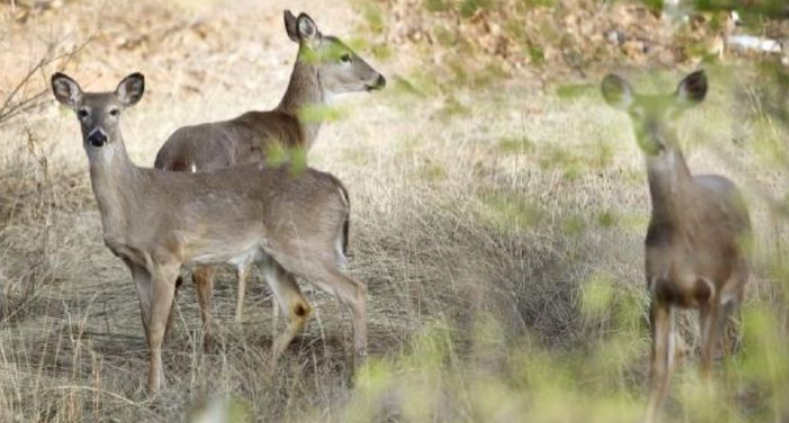
The U.S. Department of Agriculture’s Animal and Plant Health Inspection Service (APHIS) will provide approximately $12 million to support efforts by States and Tribal governments, research institutions, and universities to control and prevent chronic wasting disease (CWD) in wild and farmed cervids (e.g., deer, elk).
“Chronic wasting disease poses a serious threat to U.S. wildlife and agriculture. This funding reflects our commitment to working collaboratively with States, Tribes, and research partners to develop innovative solutions and protect the health of our nation’s cervid populations,” said Dr. Alan Huddleston, Acting U.S. Chief Veterinary Officer.
APHIS will competitively fund the most promising projects that develop innovative tools or methods, support State and Tribal CWD control programs at the local level and provide indemnity payments to cervid owners with pending claims. This includes:
- Approximately $6 million to support critical projects to control and prevent CWD in farmed cervids,
- Approximately $5.5 million to support research and management of CWD in wild cervids, and
- Approximately $500,000 to support CWD prevention and management on Tribal lands.
CWD is an infectious, degenerative disease of cervids that causes brain cells to die, ultimately leading to the death of the affected animal. The incubation period can be lengthy, and infected animals may look healthy until the end stages of the disease, making it difficult to distinguish affected animals from healthy animals. Animals infected with CWD can transmit the disease to other animals during the “silent” incubation period. The disease has spread widely and the limited number of tools, as well as their efficacy, impacts the ability to effectively control the disease.
Cooperative agreement funding in previous years has resulted in the development and implementation of predictive genetics to assist farmed cervid owners in breeding for less susceptible deer, the removal of CWD-positive farmed cervid herds, increased diagnostic capabilities, increased CWD surveillance in wild cervid populations, hunter and public education, and carcass disposal options to reduce spread of CWD.
This year’s investment will allow State departments of agriculture, State animal health agencies, State departments of wildlife or natural resources, federally recognized Native American Tribal governments and organizations, and research institutions and universities to further develop and implement CWD research, management, and response activities.