

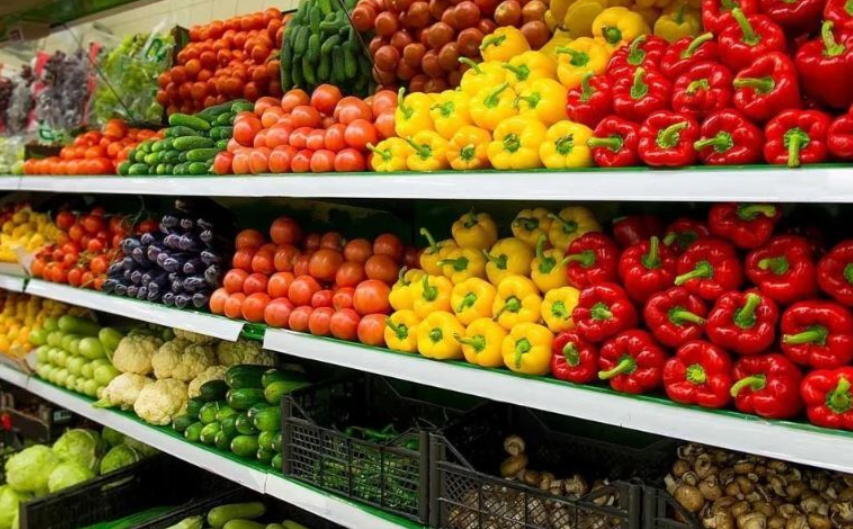
Fresh fruits and vegetables are at the center of a growing national conversation about nutrition, policy, and agricultural production—and industry leaders say increasing consumption is both the biggest challenge and the greatest opportunity ahead.
Speaking with Oklahoma Farm Report’s Maci Carter in Washington, D.C., Mollie Van Lieu outlined what the fresh produce sector represents and why it matters. “It really includes all fresh fruits or vegetables—think about what you see in the produce department at the grocery store,” Van Lieu said. “When we talk about public policy… It’s things that will benefit all of those fruits and vegetables collectively.”
Policy Focus: Increasing Access and Consumption
Van Lieu emphasized that many of the industry’s policy priorities center on improving access and encouraging Americans to eat more fruits and vegetables. “How do you get more people to purchase it at retail? How do you get more fresh fruits and vegetables into the school meals program? How do we get it to food banks?” she said.
She pointed to the latest dietary guidelines, which continue to recommend that about half of a person’s diet consist of fruits and vegetables. “We’re focused on both how do we get consumers to understand that better, but here in D.C., what are the policies that we can put in place that will help Americans to eat more,” she explained.
Concerns Over WIC Benefit Cuts
One of the most pressing concerns raised by Van Lieu is a proposed reduction to the fruit and vegetable benefit within the WIC program. “We are disappointed in the President’s budget… because it is a 75% cut in that benefit,” she said, noting it could result in about $1.4 billion in lost fruit and vegetable sales nationwide.
The impact in Oklahoma alone is significant. “That’s more than $15 million a year,” Van Lieu said. She added that these benefits are often redeemed at independent and rural grocery stores, amplifying the economic ripple effect. “It’s a big hit,” she said.
Farm Bill and Specialty Crop Support
Van Lieu also highlighted the importance of the Farm Bill in shaping the future of specialty crops, including fruits and vegetables. While the sector represents a large share of U.S. agriculture, it receives a smaller portion of Farm Bill resources. “Despite representing about half of the farm gate in the U.S., we do not get half of the Farm Bill,” she said.
She noted support for provisions that would expand fresh produce access through food banks by strengthening regional supply chains. At the production level, she emphasized the diversity within the sector. “What it takes to grow a potato versus a raspberry are very different,” she said. “We have a lot of different needs… and we have to split [resources] among a lot of different commodities.”
Labor Challenges and Industry Reality
Labor remains one of the most critical issues facing fresh produce growers. “It’s hugely critical—you either import your workers or you import your food,” Van Lieu said, underscoring the dependence on a stable workforce to maintain domestic production.
Looking Ahead: A Major Opportunity
Despite the challenges, Van Lieu sees a clear path forward rooted in consumer behavior. “Only 10% are eating them today—10% of the recommended amount,” she said. “If we can get that to 50% of the diet, that’ll be huge.”







