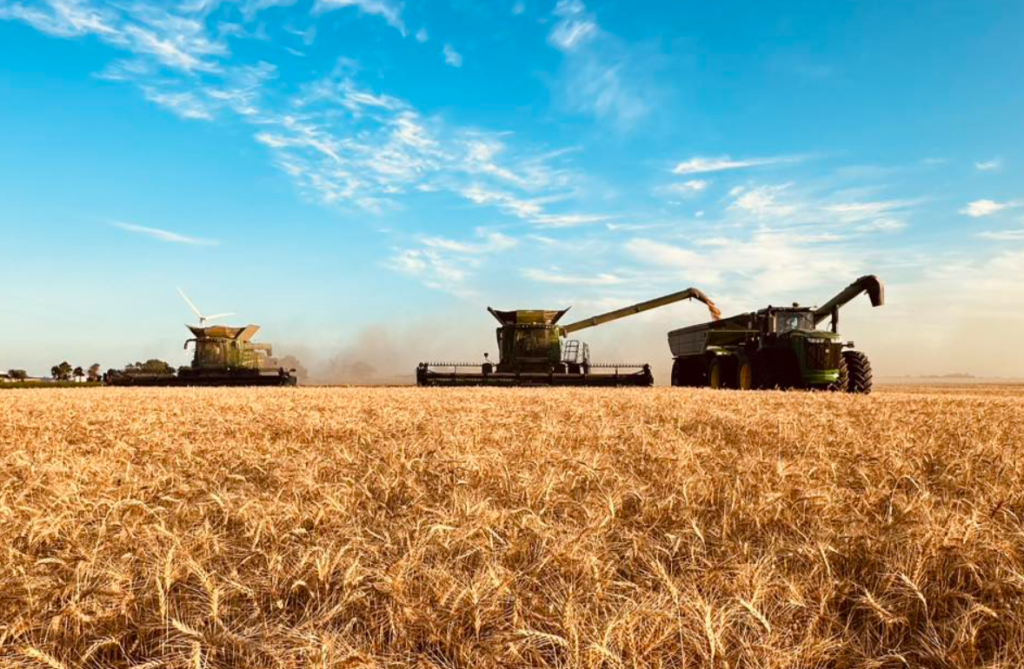
The Oklahoma wheat harvest is moving rapidly, offering producers, grain handlers, crop consultants, and industry partners a field-level look at how the crop is shaping up across the state. According to the latest Oklahoma Wheat Crop Update from the Oklahoma Wheat Commission, harvest is currently reported at 12% to 14% complete.
As combines move through Oklahoma wheat country, the data reveals that this season’s crop is far from uniform. Weather patterns, regional timing, variety selection, and localized management strategies are drastically shaping the final results, creating significant differences from one field to the next.
Harvest Progress and Field Conditions
With the harvest pace accelerating, early reports highlight a wide variation in crop conditions. Producers are seeing a stark contrast between dryland fields that bore the brunt of the season’s elements and areas that managed to catch timely moisture.
Regional Moisture and Drought Stress
Drought stress remains a primary factor in this year’s outcomes, with moisture differences creating distinct regional disparities. While some areas benefited from critical rain events that sustained the crop through key development stages, other regions faced prolonged dry spells, limiting overall growth and driving early maturity.
Yield Potential and Crop Variability
Because of these localized weather splits, yield expectations and overall crop potential are highly variable. The Oklahoma Wheat Commission emphasizes that crop performance is highly dependent on geography and management, with some fields showing resilient yields while others reflect the harsh realities of dry conditions.
Disease, Pest, and Late-Season Management
In addition to weather challenges, the update highlights the role of disease, pests, and late-season management considerations in determining final quality. Producers who managed to stay ahead of late-season pressures are seeing those efforts pay off as the grain hits the bins.
As the combines continue their march across the state, industry partners and producers are advised to keep a close eye on changing field conditions and regional yield trends to navigate the remainder of the harvest season.
This update covers:
• Current Oklahoma wheat crop conditions
• Harvest timing and field progress
• Drought stress and moisture differences by region
• Yield potential and crop variability
• Disease, pest and late-season management considerations
• What producers should keep an eye on as harvest continues
Oklahoma’s wheat crop is never the same from one field to the next, and this season is showing just how much weather, timing, variety selection and management can shape final results.