

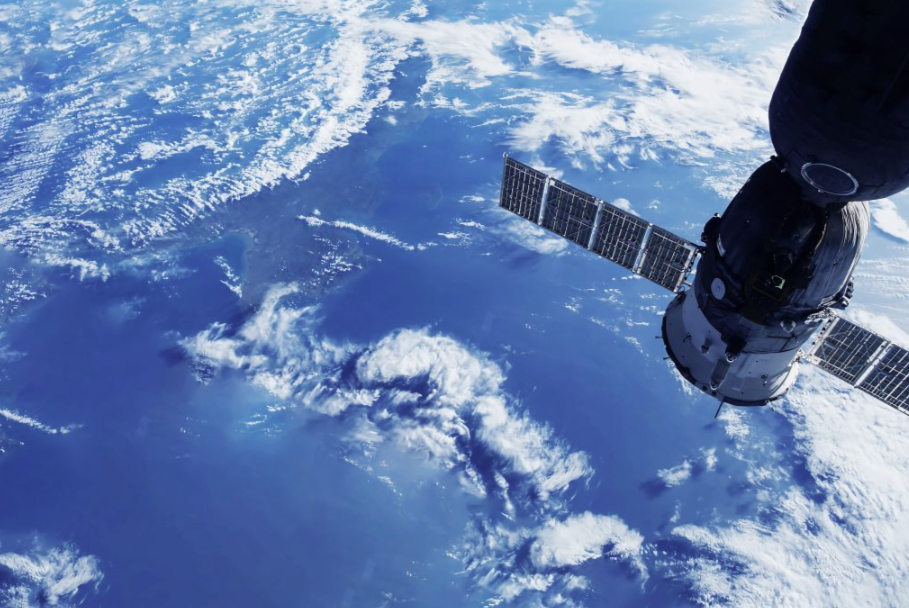
Farmers are navigating a time when precision and timely information can make all the difference—and some of the most valuable tools are coming from space.
Oklahoma Farm Reports Maci Carter spoke with Karen St. Germain, with NASA. Germain says the agency has supported agriculture for decades, even if many producers don’t immediately make that connection.
“Agriculture is one of NASA’s longest served communities, going all the way back to the first Landsat mission decades ago,” she said. “Back then, we could just see greenness… over the decades, our satellite systems have gotten so much more sophisticated. We can measure crop growth, we can measure soil moisture, even groundwater and aquifer depletion.”
From Space Data to On-Farm Decisions
That growing level of detail is helping producers make more informed, real-time decisions—especially when it comes to water use.
“One example… is our OpenET product,” St. Germain said. “It gives you a measure of exactly how much water the field has used, and that tells you exactly how much you need to replenish.”
The results are tangible.
“What we find is, generally speaking, the farmers use 20% less water when they have this information… to dial in their irrigation plans.”
Local Connections, National Reach
NASA is also working to make sure that data is practical and accessible through its NASA Acres initiative, which partners with Extension systems and ag organizations.
“It operates in every state… to really dial into the particular local challenges,” she said. “We at NASA can’t reach every farmer, but we work through agriculture associations as well as Extension programs to reach into the community.”
St. Germain emphasized that access is not a barrier.
“All NASA data is free and open, and it’s all highly calibrated and curated,” she said. “It’s important to us that farmers know exactly how to get their hands on it.”
Preparing for What’s Ahead
As weather variability continues to challenge producers, NASA is focused on both current conditions and what’s coming next.
“What we often hear is the growing conditions are changing,” St. Germain said. “So what we’re trying to do is not only give farmers more situational awareness… but also give them some predictive tools.”
Those tools could help producers anticipate drought conditions weeks in advance, allowing for better planning and risk management.
A Shared Mindset
At the end of the day, St. Germain says the partnership between NASA and agriculture works because both are rooted in data.
“These are our people. Farmers and ranchers are data people, and so are we,” she said. “We speak the same language… we’ve got data and information, we want to share it with them and help them make the best decisions they can make.”
As agriculture continues to evolve, that collaboration between producers and space-based technology is becoming an increasingly important part of the industry’s future.







