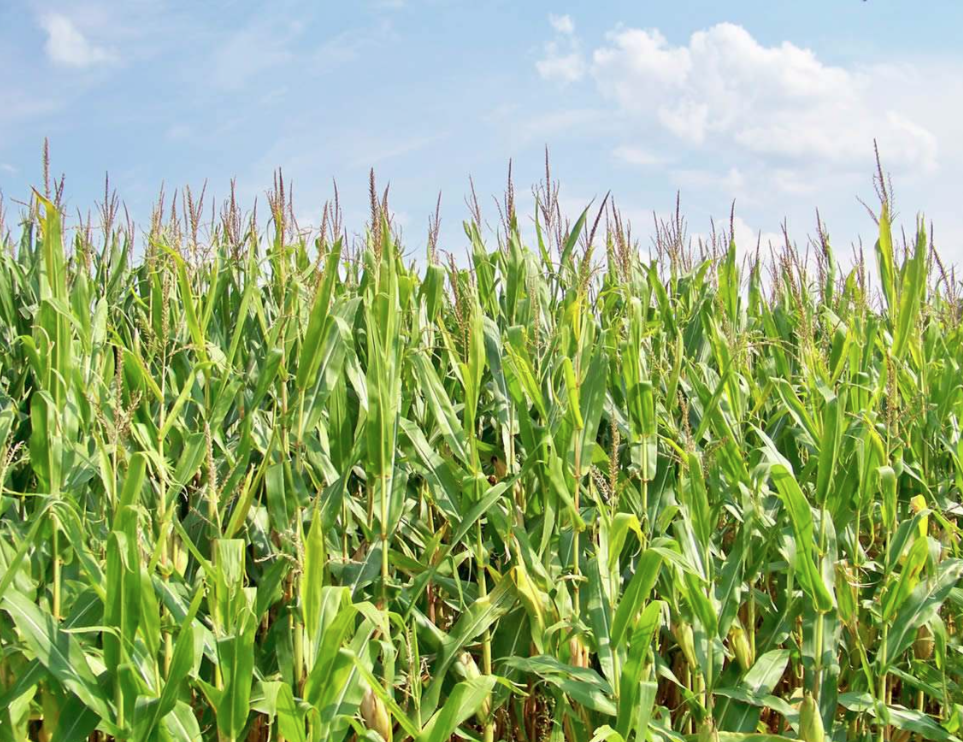
Weed control and early scouting can go a long way toward setting corn and soybean crops up for season-long success, says Mustang Seeds Field Agronomist Tim Beninga. By taking a hands-on, proactive approach early in the season, growers can put their crops in a stronger position for high yields this fall and in future seasons.
Tweak nitrogen based on yield potential
One area where growers might be able to make some adjustments for better harvest results is with in-season nitrogen.
“I’m a firm believer in side- or top-dressing,” Beninga says. “It gives growers the flexibility to adjust if conditions haven’t been favorable for crops or stick with the plan if yield potential remains strong.”
Growers who evaluated stands as corn emerged — and calculated their productive stand and yield potential — can use that information to fine-tune their in-season nitrogen applications.
Why early weed control matters for corn
Weed control is crucial to protecting corn’s yield potential. “Weeds have a major impact on yield, especially for corn,” Beninga says. “Corn hates competition.”
He explains, “When weeds push past 2 inches tall, corn can sense them based on light reflectance. When that happens, corn flips from offensive to defensive mode.”
What does that mean? Basically, corn will direct its energy into growing up rather than putting energy into developing robust root systems and strong stalks.
The main takeaway? It’s important to watch for weed pressure and be ready to act fast. “If you see a 2-inch tall waterhemp today, it’ll likely be 6 or 8 inches tall in a week,” Beninga says. The V3 to V5 stage is an ideal time to scout fields for weeds.
Beyond that, Beninga encourages growers to make sure their herbicide:
· includes a residual;
· is targeted to all the weeds they’re facing; and
· uses multiple modes of action.
Check root establishment
Taking your field checks belowground can also offer some important learnings that can help in years to come. “It’s always a good idea to check for sidewall smearing or compaction so you’re not caught off guard if corn starts to turn yellow or purple or topples due to rootless corn syndrome,” according to Beninga.
He also notes that if conditions stay wet and cool in his North Dakota territory, diseases like anthracnose stalk rot or crown rot could move into the roots early, causing problems down the road. Knowing you have an issue early can help you plan for harvest and beyond.
Scout fields for nutrient deficiencies, insects and diseases
Beninga says corn will typically outgrow early cosmetic issues like ripped leaves or minor leaf disease. But they’re still worth monitoring.
He also encourages growers to watch for signs of nutrient deficiencies they may be able to correct in future seasons. For instance, purpling in corn can signal a phosphorus deficiency. If a grower sees that pattern year after year — particularly on ground that has been planted to sugar beets — a higher starter rate might be needed in future seasons.
Growers should also keep an eye out for disease and insect pressure, especially in more vulnerable areas like corn-on-corn acres.
According to Beninga, tar spot is beginning to get a foothold in the state, while southern rust hit some growers hard last season. Monitoring disease maps alongside weather conditions can help North Dakota growers prepare.
On the insect front, cutworms remain the biggest early season threat in North Dakota. “Make sure you’re ready to spray if needed,” Beninga says.
Soybean scouting checklist
Weed control is also Beninga’s No. 1 concern for soybeans early in the season. Other items that make his checklist include soybean nodulation and iron deficiency chlorosis (IDC).
“Soybeans are still a relatively new crop for western North Dakota,” Beninga says. “In fact, some ground has never been planted to soybeans.” That means the soil may not contain the bacteria needed to fix nitrogen for soybeans. Inoculation is a must, and it’s a good idea to make sure it’s working by checking roots for soybean nodules.
Beninga’s final check for soybeans is making sure the soybean seed was right for the ground. If not, iron deficiency chlorosis may show up in the form of yellowed leaves with dark green veins, diminishing plant health and yield potential.
If you notice these symptoms or have other questions about crop performance this growing season, reach out to your Mustang Seeds field agronomist for local support.