

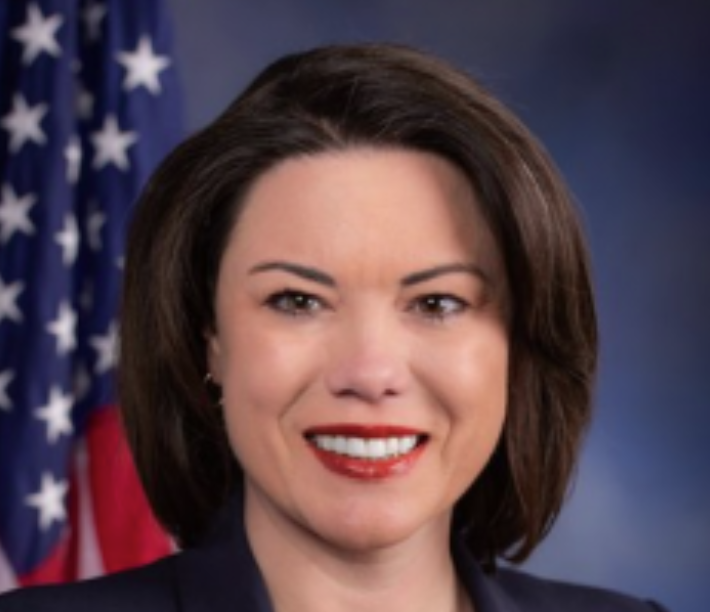
Today, House Agriculture Committee Ranking Member Angie Craig (MN-02) delivered the following opening statement at a full committee hearing entitled “To Review the Implementation of Farm Safety Net, Disaster, and Conservation Programs.” Watch the hearing here.
[As prepared for delivery.]
One year ago, Republicans forced the so-called One Big Beautiful Bill through Congress.
It gave handouts to Elon Musk, the world’s first trillionaire, and the rest of the president’s billionaire buddies, even as inflation ate up the paychecks of hardworking Americans.
It cut Medicaid by nearly $1 trillion, putting rural hospitals and health clinics at risk of closure.
Today, we aren’t talking about those things. Instead, we are looking at some of the investments the bill made, particularly to our farm safety net and conservation programs.
Now, we all know that there were many farm bill programs that needed new investment, particularly the farm safety net programs.
Unfortunately, these investments, as well as much of Trump’s billionaire bailouts, were paid on the backs of our nation’s most vulnerable – hungry children, veterans and older Americans – by cutting $187 billion from SNAP.
Since those cuts were made, over 4 million Americans, including over 800,000 children, have had their food taken away.
So, as we talk about implementation of these investments, we need to be clear-eyed about the cost. The cost is increased hunger throughout our country.
Of course, while these investments are beneficial, farmers readily acknowledge that they will not cover the pain and the losses inflicted by this administration’s policies and actions.
Tariffs, trade wars and Trump’s war with Iran have cost farmers tens of billions in lost sales, driven up diesel and fertilizer costs and suppressed commodity prices.
According to the USDA, production costs are expected to be higher than previously anticipated for every major crop for the 2026 growing season.
Farmers are paying more to repair their tractors today because of this administration’s tariffs on steel. Farmers are paying more for fertilizer because of this administration’s war in the Middle East. Farmers are paying more to service their debt because of this administration’s inflationary policies.
If the improvements made to the farm safety net were so strong, then why are farmers asking for supplemental farm assistance?
They are asking because farmers recognize reality when it hits them. Unlike the president, farmers don’t love inflation. Unlike the secretary, they don’t think they’re living in the “golden age of agriculture.”
Unfortunately, we have an administration that is out of touch with the challenging reality farmers and American families are facing.
In a more normal environment, farmers might turn to the USDA conservation programs to help them weather a difficult farm economy. H.R. 1 did at least preserve the historic Democratic investments in conservation that were originally made in the Inflation Reduction Act.
But the Trump administration undermined those changes by cutting the number of conservation staff by around 24 percent, which has meant that those dollars are harder to access than ever.
Just last year, the number of conservation contracts awarded dropped by 20-40 percent, even as more farmers applied for these dollars.
So, as we discuss today the programs intended to help farmers, let’s keep this important context in mind.
I want to thank the undersecretary for joining us today and look forward to hearing his testimony.
I yield back.







