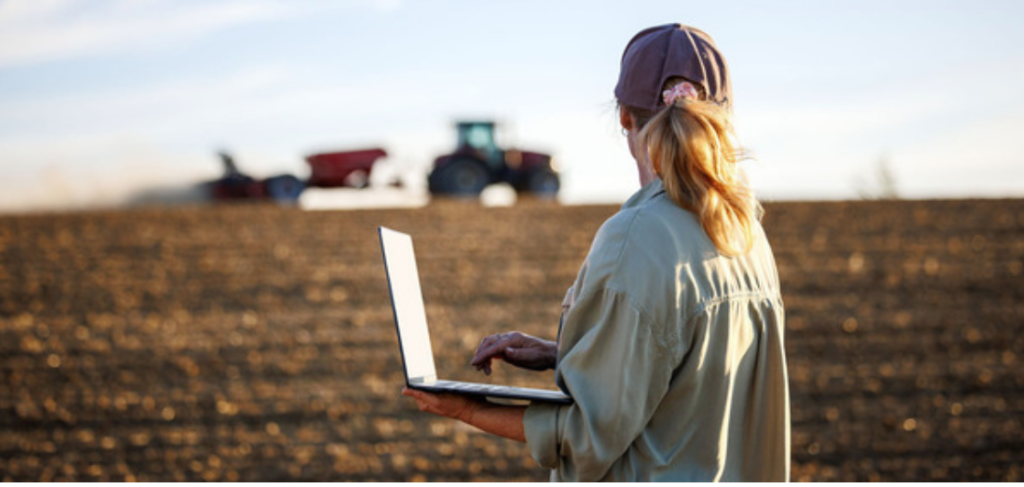
Today, at the Farm Progress Show in Boone, Iowa, U.S. Secretary of Agriculture Brooke L. Rollins, announced the U.S. Department of Agriculture (USDA) Data Modernization Plan to put Farmers First, reduce unnecessary burdens on producers, and improve the timeliness, accuracy, and usefulness of the agricultural data that informs decisions across American agriculture.
Since USDA was established in 1862, collecting and sharing reliable agricultural information has been central to its mission. Today, USDA data informs crop and livestock estimates, risk-management tools, disaster assistance, and critical business decisions made by farmers, ranchers, agribusinesses, researchers, and policymakers.
“America’s farmers and ranchers are the backbone of our food and agricultural system, and USDA should respect their time while delivering the reliable information they need,” said Secretary Rollins. “This plan puts Farmers First by cutting burdensome red tape, using modern tools, and ensuring producers have a stronger voice in how USDA collects and reports agricultural data. Under President Trump’s leadership, USDA is bringing agricultural data collection into the 21st century while protecting the privacy and trust of the people we serve.”
In February 2026, Secretary Rollins issued a Request for Information seeking feedback on the opportunities, challenges, and emerging areas in USDA data. Additionally, Secretary Rollins and USDA leadership held a series of data modernization listening sessions at state fairs and farm shows across the country throughout August to hear directly from hundreds of producers and agricultural stakeholders. That feedback helped shape the USDA Data Modernization Plan and its four pillars:
- Modernize the Data Reporting Experience: USDA will expand use of administrative data, improve mobile access to surveys, explore opportunities to use prefilled information where appropriate, and strengthen coordination across the Department. These changes will reduce duplicative requests and limit the amount of time producers spend reporting information.
- Enhance Acreage and Yield Estimation: USDA will conduct a pilot to evaluate the use of improved satellite imagery, geospatial tools, crop models, and other emerging technologies combined with essential producer-reported information to enhance acreage and yield estimations. USDA will also assess the use of optional field inputs to enhance and ground truth yield estimates and continue advancing yield research through collaboration with agricultural partners and land-grant universities.
- Integrate Data and Technology Platforms: USDA will modernize its technology infrastructure, expand secure data-sharing capabilities, and evaluate the responsible use of tools such as artificial intelligence and machine learning. Better integrated systems will improve efficiency, reduce duplication, and allow USDA to produce more timely and useful information.
- Expand Trust and Transparency with Producers: USDA will protect producer privacy, clearly explain why information is requested and how it is used, and create additional opportunities for producers to provide feedback. USDA will also improve communication surrounding reports, methodologies, response rates, and data limitations.
“While American agriculture and USDA look vastly different than they did in 1862, the need for timely, accurate, and useful agricultural statistics remains constant,” said Kip Tom, Special Advisor for Data Modernization. “This plan brings USDA agencies together, breaks down outdated information silos, and applies modern technology to provide producers and rural communities with better service. By improving how information is collected and shared, we can respond more quickly to challenges facing American agriculture.”
Oklahoma Impact: Key Takeaways for Farmers and Ranchers
- Reduced Survey Fatigue and Duplication: Oklahoma producers will see streamlined reporting with prefilled data and enhanced mobile options, cutting down the hours spent filing separate, duplicative paperwork across USDA agencies like NASS, FSA, and RMA.
- More Accurate Wheat and Row Crop Estimates: The initiative pilots advanced satellite imagery, geospatial mapping, and predictive crop modeling alongside producer inputs to deliver real-time, ground-level acreage and yield estimates—critical for Oklahoma wheat, corn, cotton, and soybean growers managing variable weather patterns.
- Rapid Drought and Pasture Condition Tracking: By integrating high-resolution satellite data and machine learning, reports can capture rapidly shifting soil moisture deficits and forage deterioration much faster during flash droughts, helping livestock producers who rely on accurate pasture and range condition indices for risk management and disaster programs.
- Restoring Confidence in Market-Moving Reports: Nationwide survey participation has fallen to roughly 30%, which has historically triggered volatile revisions in national crop and cattle inventory reports; modernizing collection methods aims to stabilize report credibility and protect local cash and futures markets from skewed data.
- Strict Privacy and Data Safeguards: The modernization framework explicitly commits to protecting individual producer privacy and proprietary operational data as USDA expands secure inter-agency data sharing and tech platforms.
The USDA Data Modernization Plan builds on technological advancements already underway across USDA, including satellite-based crop monitoring, geospatial analysis, cloud-based platforms, improved online reporting tools, and more coordinated use of existing administrative data. The Department will also continue working with partners to evaluate new methods and strengthen the scientific foundation of its agricultural statistics.
“USDA’s agricultural statistics are only as strong as the trust and voluntary participation of America’s producers,” said Dr. Scott Hutchins, Under Secretary for Research, Education, and Economics. “By combining producer knowledge with sound science and modern technology, USDA can reduce the reporting burden while improving the quality of the information farmers and policymakers rely on. This plan will help ensure American agriculture remains productive and resilient for generations to come.”
USDA will begin implementing actions under the plan immediately and will continue engaging farmers, ranchers, and agricultural stakeholders throughout the process. The Department will evaluate new approaches carefully, protect privacy and confidentiality, and publish clear methodologies and supporting information to maintain the integrity of USDA’s agricultural statistics.
To learn more, please view the full USDA Data Modernization Plan (PDF, 5.3 MB).