

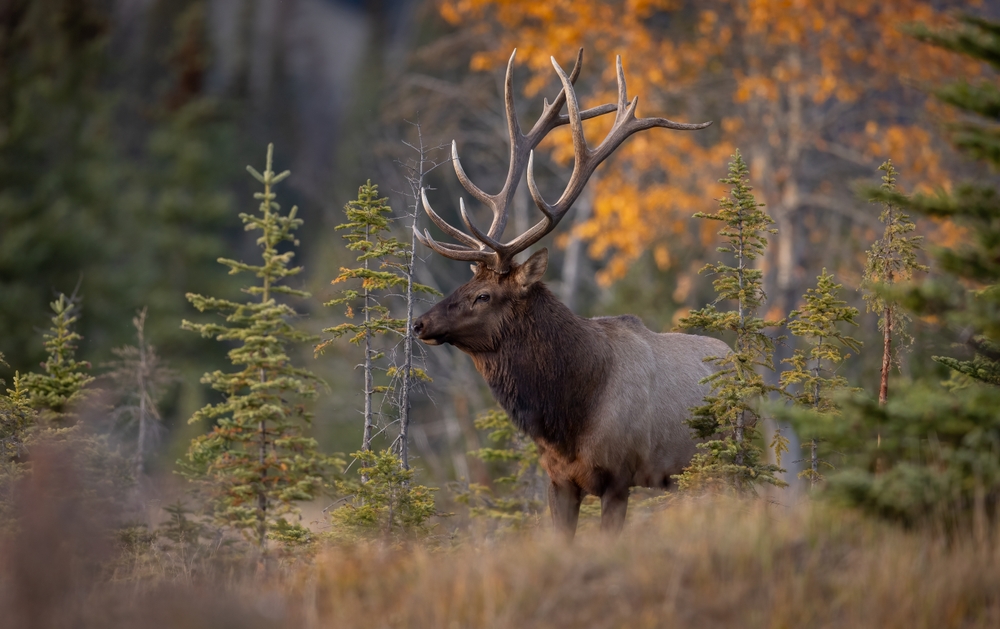
The U.S. Department of Agriculture’s (USDA) Animal and Plant Health Inspection Service (APHIS) has confirmed the first detection of New World screwworm (NWS) in wildlife in the United States, identified in an elk in Pecos County, Texas. The elk was located on a game ranch and was officially reported after being harvested by a hunter.
In response to the confirmed case, the Texas Animal Health Commission (TAHC) will modify a previously established infested zone, while the USDA and the Texas Parks and Wildlife Department (TPWD) conduct enhanced wildlife surveillance throughout the area.
This detection highlights the critical role hunters, landowners, outdoor enthusiasts, and wildlife professionals play in helping detect and stop the spread of NWS. Early reporting serves as one of the most vital defense tools available to protect American wildlife, livestock herds, and domestic pets from widespread infestation.
The New World screwworm (Cochliomyia hominivorax) is an aggressive parasitic fly whose larvae feed directly on the living tissue of warm-blooded animals. If left untreated, larval feeding can cause extensive tissue destruction, secondary systemic infections, and death.
The detection in West Texas comes amid elevated pressure and active infestations tracked directly across the border in Northern Mexico. Surveillance tracking records along the international boundary reflect multiple recent active cases:
- October 20, 2026: An active canine case in Chihuahua, located approximately 1 mile from the U.S. border.
- October 19, 2026: An active bovine case (15 days old) in Sonora, 77 miles from the border, with active USDA sterile insect dispersal via aerial release.
- October 19, 2026: An active canine case (6 years old) in Nuevo León, 92 miles from the border.
- October 18, 2026: An active equine case (2 years old) in Chihuahua, 61 miles from the border.
- October 18, 2026: Two active bovine cases (12 years old and 5 years old) in Chihuahua, both located 86 miles from the border.
- October 18, 2026: An active canine case (2 years old) in Sonora, 87 miles from the border, receiving aerial dispersal of sterile insects.
- October 18, 2026: Two active canine cases (8 years old and 14 years old) in Nuevo León, both located 92 miles from the border.
- October 16, 2026: An active bovine case (5 days old) in Tamaulipas, 90 miles from the border.
With active cases persisting across livestock and domestic pets within 100 miles of the border—and immediately adjacent to the frontier in Chihuahua—officials emphasize that rapid detection and isolation remain paramount. Anyone observing suspicious wounds or maggots on livestock, working animals, or harvested game should contact their state veterinarian or local USDA APHIS office immediately.
State and federal animal health officials urge anyone in the field to inspect animals and harvested game carefully. Key symptoms and physical indicators of screwworm myiasis include:
- Open, draining, or rapidly enlarging wounds
- Visible fly larvae or maggots feeding deep within live flesh
- Foul-smelling drainage or decaying odors originating from wounds
- Live animals displaying pronounced weakness, lethargy, or distress