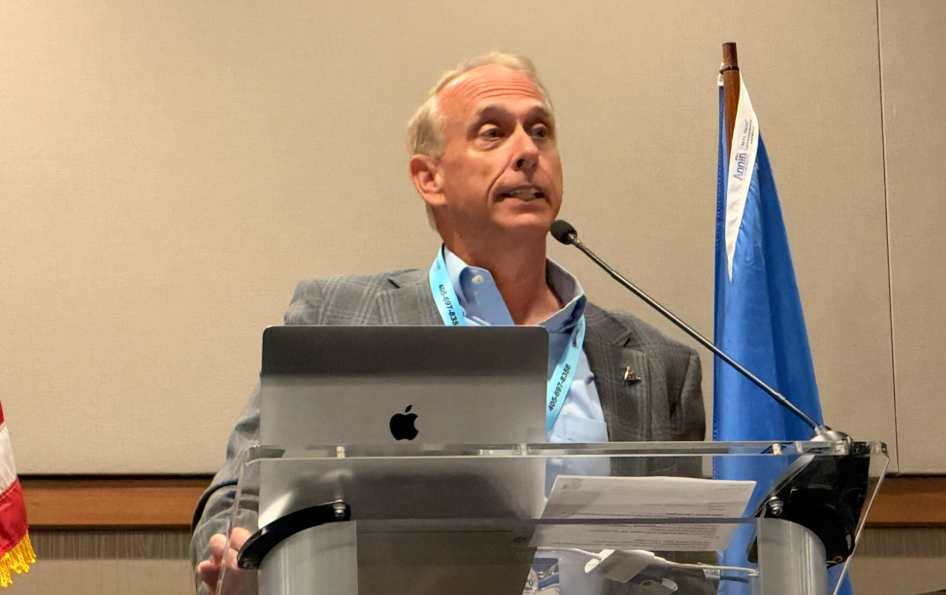
Public wheat breeding has transformed dramatically over the last three decades, moving from simple open-market distribution to specialized licensing models, modern infrastructure planning, and tailored grain characteristics. Farm Director KC Sheperd recently sat down with Oklahoma State University wheat breeding specialist Dr. Brett Carver to discuss the evolution of OSU’s breeding program, upcoming facility upgrades, and the next wave of varieties headed to growers.
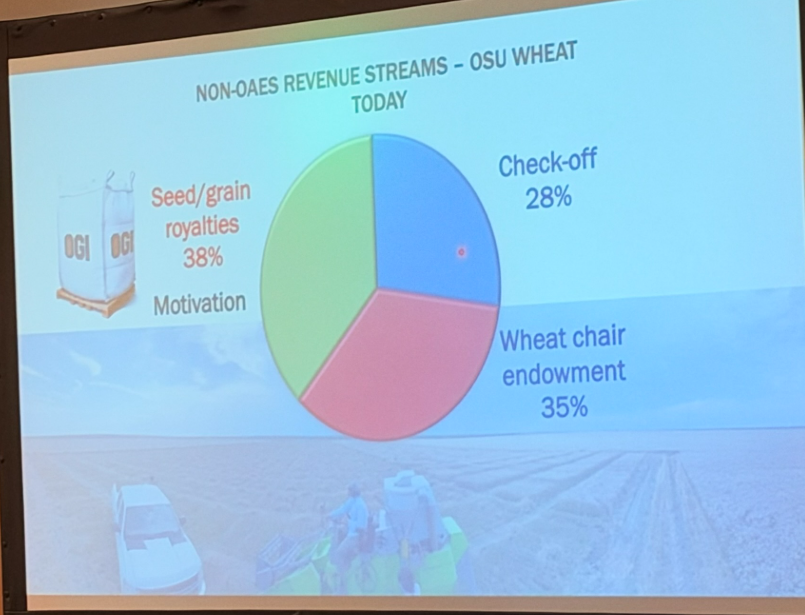
The Licensing Shift That Saved Public Breeding
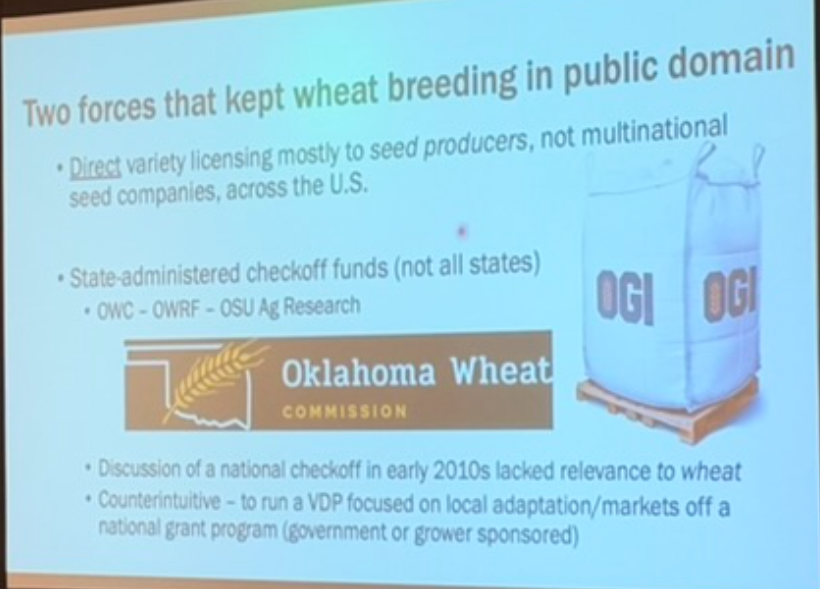
Reflecting on the biggest operational change throughout his tenure, Carver pointed directly to how university-developed genetics are brought to market. Prior to the late 1990s, varieties were developed with public funds and released without commercial protections.
“In the old days, it was a very simple process,” Carver said. “You pretty much gave it away, open market. And that did work for quite a while, but it would not have allowed public wheat breeding to continue. I think it would have had a short history. And I’m talking about back in the 1990s. That’s when things really changed.”
The pivotal moment arrived with the rollout of Clearfield wheat technology, which required a structured commercial mechanism. That necessity led directly to establishing Oklahoma Genetics, Inc. (OGI) as a dedicated licensing partner.
“It wasn’t really about that time, it was that time,” Carver said. “That really set us on a different course, where we had to go on that course. We could not have released a Clearfield wheat had we not set up a licensing partner, Oklahoma Genetics.”
Carver emphasized that licensing protected local seed producers from being severely undercut while building a reliable, self-sustaining financial foundation for university research.
“Why would I go into plant breeding if we don’t have a healthy seed industry?” Carver said. “Licensing allowed them to have an industry that they could compete and also make money, be profitable. And of course, the university. You take away that funding stream now, I’m not sure we would survive—the funding stream coming from OGI.”
Advancing the New Agronomy Center and Year-Round Greenhouses
Momentum is accelerating for OSU’s planned Agronomy Center, with groundbreaking targeted as early as this winter. Carver noted that moving forward with construction is essential to keep university agricultural research running alongside Veterinary Medicine’s campus needs.
“We get to look forward to breaking ground, because if we don’t break ground, then how is Vet Med going to do the things they need to do?” Carver said. “We cannot just close shop and say, ‘Okay, let’s come back in another three years, reopen.’ No, it’s not going to happen that way. We have to continue the wheat breeding process each and every year, and so to do that, we have to get ground broke in the area where we’re going to put these greenhouses.”
A key priority for Carver in designing the new facility is overcoming Oklahoma’s severe summer heat, which currently sidelines greenhouses for half the calendar year.
“Number one thing was, allow us to use a greenhouse more than, what, six months out of the year?” Carver said. “Even in Oklahoma, we can do better than that, where the temperature gets pretty hot in the summertime. Longer-term access to the greenhouse allows us to run a crossing program that’s a little bit more aggressive and more robust.”
Carver explained that expanding beyond a single crossing cycle aligns OSU with premier winter wheat research standards.
“Right now, we just get by,” Carver said. “We try to get one cycle of crossing in, we do pretty good at that. It’s getting more difficult, but relief is on the way, and that’s what keeps pulling us along. The idea of maybe having two cycles, that’s pretty common in winter wheat programs. We want to be in that space. And when we are, I think that allows us to be a little bit more resourceful. Resourcefulness is really about putting money where it counts.”
International Ties: Romanian Germplasm and ‘Wyatt’
While OSU actively partners with other land-grant institutions such as Kansas State University, Carver’s program also reaches overseas. Early in his OSU career as a wheat geneticist, Carver discovered that germplasm originating from Eastern Europe adapted remarkably well to Oklahoma’s environment.
“Turkey wheat is the grandfather of hard red winter wheat, that came from Eastern Europe,” Carver said. “So why can’t we repeat—will we repeat that success of Turkey, not just once every 100 years? Let’s do this every year.”
That insight prompted an ongoing germplasm exchange with breeders in Fundulea, Romania, leading to published academic research and field varieties.
“We consummated an exchange with our partners in Fundulea, Romania, and sure enough, we keep that going,” Carver said. “You see that in our common wheat varieties, the last one being Wyatt. That’s one-half Romanian. That’s a little bit unusual to see something from that far away being one-half of your parentage.”
Navigating Market Obstacles: Carbs, Fiber, and Wheat Protein
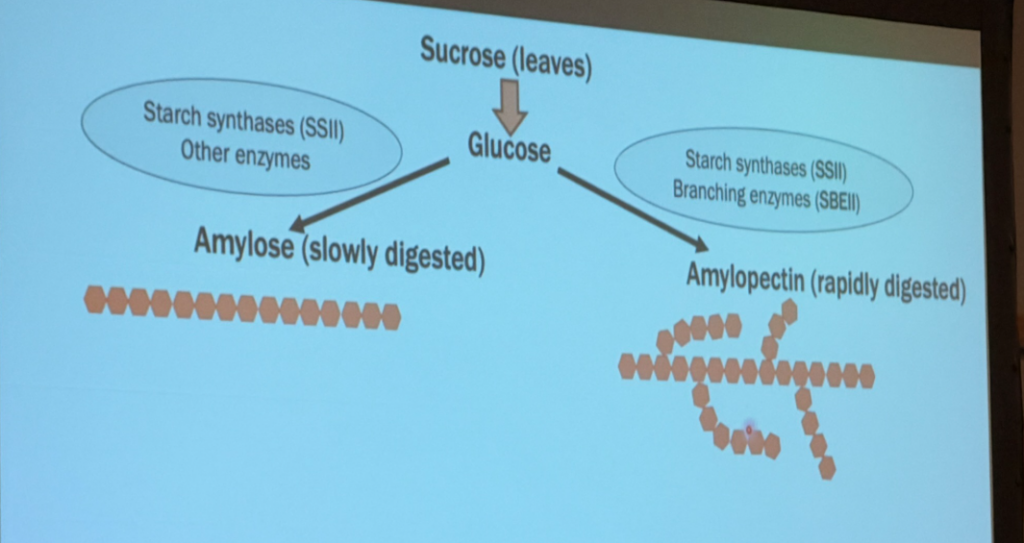
Addressing shifting consumer preferences and anti-carbohydrate diet trends is another major focus for Carver. He noted that breeding can help reshape how wheat delivers energy.
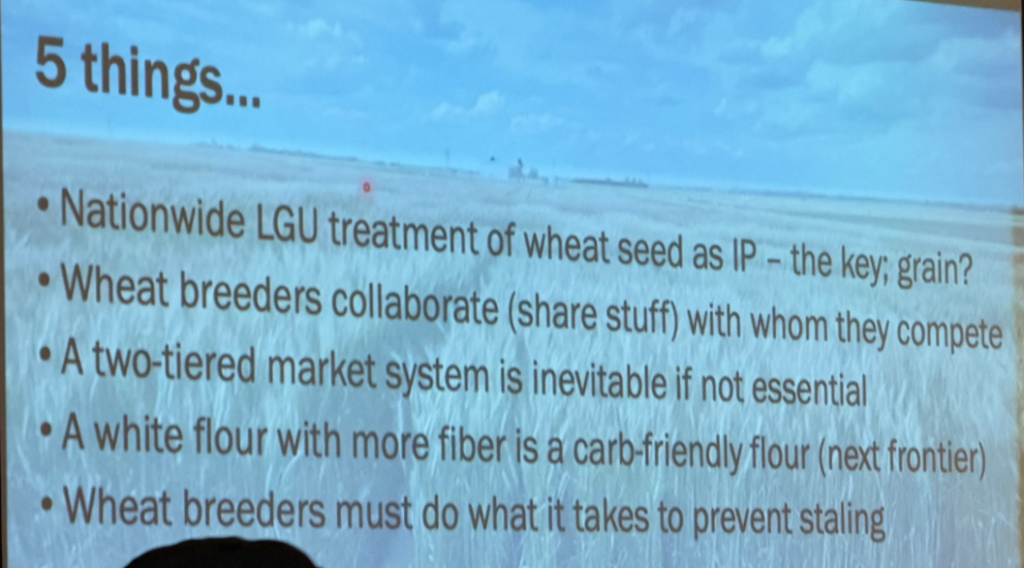
“We have to have energy, and energy comes from glucose,” Carver said. “But on the other hand, maybe we can moderate that glucose a little bit, make that glucose not so readily digested in our digestive tract. And if we do that, then we turn wheat into a fiber source in addition to an energy source. We need to focus on that fiber source, and if we do, I think we’re going to see a little bit of a turnaround.”
Carver also pointed out that wheat remains a primary source of dietary plant protein, even when misunderstood due to conversations surrounding gluten.
“Grains being the leading source of plant-based protein in our diet, we don’t call it protein,” Carver said. “Unfortunately, it gets called gluten, and gluten has a sort of connotation that protein does not. I always remind people when I talk to them, ‘Hey, we’re talking about wheat protein. Protein is protein.'”
Carver clarified that while individuals with celiac disease or severe sensitivities suffer adverse reactions because gluten protein fragments are not fully digested down to individual amino acids, wheat protein remains fundamentally nutritious for the general population.
Pipeline Updates: First CoAXium Lines, High-Yielding Hard Red, and Blue Wheat
When asked what is on the horizon for growers and millers, Carver highlighted several pipeline projects approaching commercial realization.
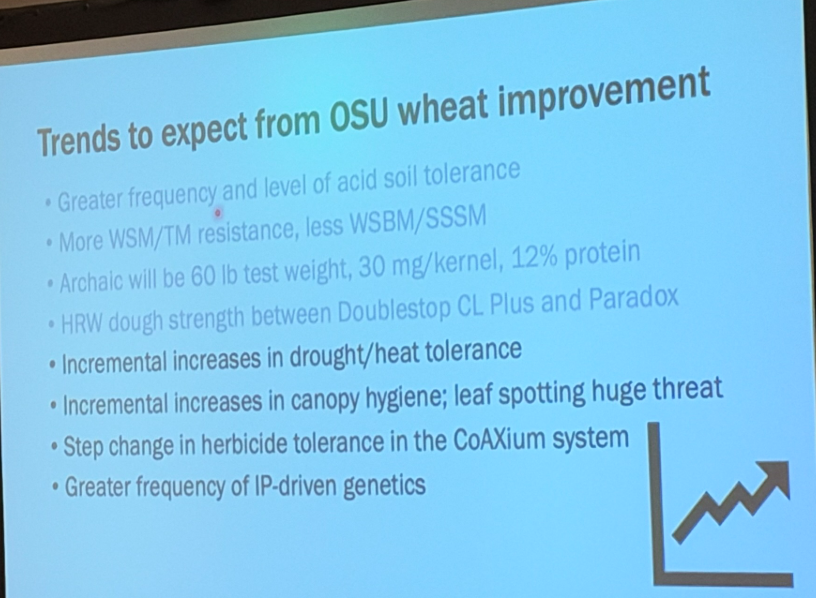
“We already have approval from the CoAXium business, and that committee that allows us to say, ‘Okay, we’re going to go forward now with this proposal to the university,'” Carver said. “We have that approval from them to move with two CoAXium wheat varieties. These will be our first, and that’s exciting. It really got started on this in 2015, 2018 really picked it up, and 2020 went full bore. This was all-out effort, and here we are in 2026 talking about it. That’s pretty quick.”
Carver noted these two varieties will bring fresh genetic backgrounds to the herbicide-tolerant market.
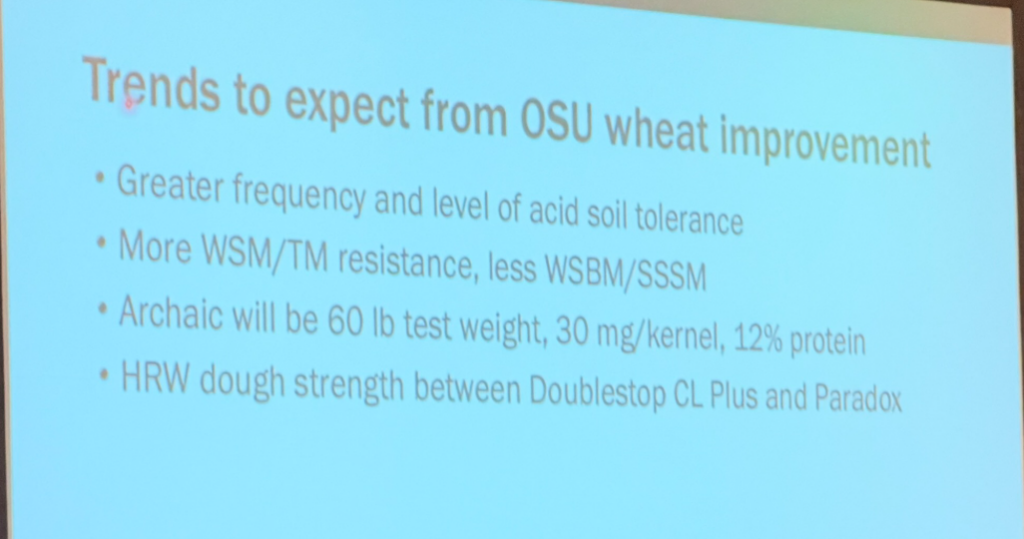
“We’re looking at some very different genetics compared to what’s out there now for CoAXium,” Carver said. “Not that what’s out there now is bad—it’s very good, but we have some alternatives now, and you can see the OSU influence in this genetic background.”
Beyond CoAXium, OSU is preparing a dual-purpose hard red winter wheat and pushing further into specialty grains.
“We’re looking at another general-purpose, general-utility hard red winter wheat,” Carver said. “It’s got some Spirit Rider and Lone Rider parentage in that—really good yielding, good quality.”
Carver added that the program is also continuing its specialty grain work.
“We’ll continue this specialty grain breeding,” Carver said. “We had the purple wheat. We can follow that with a blue wheat and take antioxidants to an even higher level than what we have in purple wheat, which is really just out of sight from hard red winter—totally different class. That’s exciting to me, and real progress that took real effort, took real investments to get there.”