
Sarah Vogel on the History of Farm Foreclosure Battles
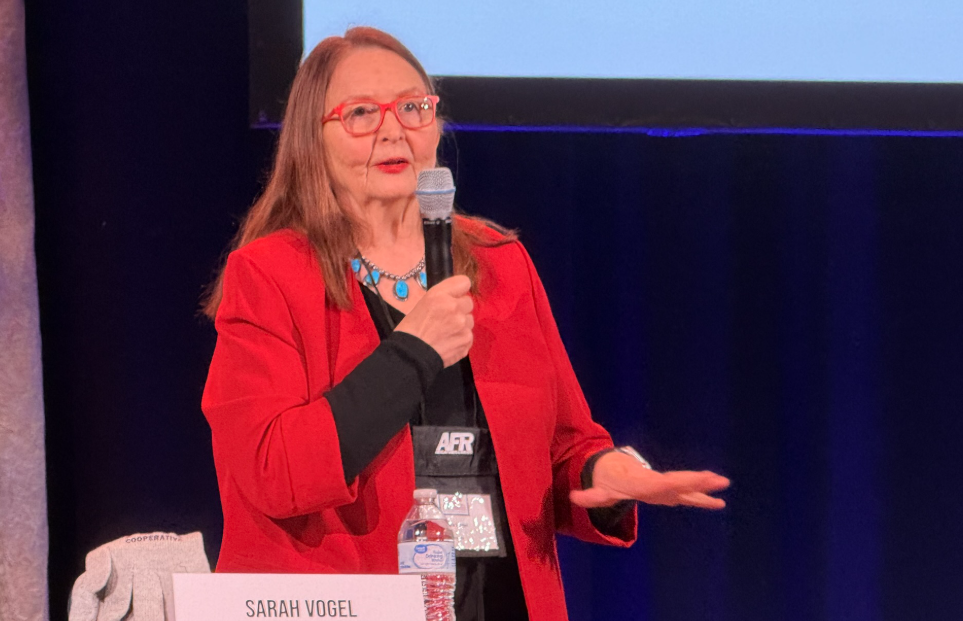
Farm policy battles from decades past are again shaping conversations about agriculture’s future, as long-time farm advocate Sarah Vogel reflected on landmark legal fights that helped preserve family farming. Speaking with associate farm reporter Carli Davenport at the AFR Annual State Convention, Vogel walked through the historic cases that defined her career and continue to influence ag law today.
Vogel is best known as lead counsel in the national class action Coleman v. Block, a case born out of the 1980s farm crisis. She recalled that during that period, “tens of thousands of farmers nationwide were faced with imminent foreclosure by an agency of the federal government.” Vogel explained she discovered a Carter-era law granting delinquent farmers the right to request loan deferrals—“and USDA had never implemented that law.” When foreclosure accelerated under the Reagan administration, she said, “I filed a lawsuit… to make USDA stop foreclosures until it had complied with this deferral law.”
What began in North Dakota quickly spread nationwide. After a judge halted thousands of foreclosures in her home state, Vogel said, “calls came in from all over the country saying, ‘Can you bring a lawsuit like that in our state?’” Turning the case into a national class action, she noted it “put the brakes on tens and tens and tens of thousands of foreclosures nationwide.” The fight eventually led to the 1987 Agricultural Credit Act, which Vogel said recognized that “the collapse of the farmers was not their fault” because prices had fallen even as production efficiency improved.
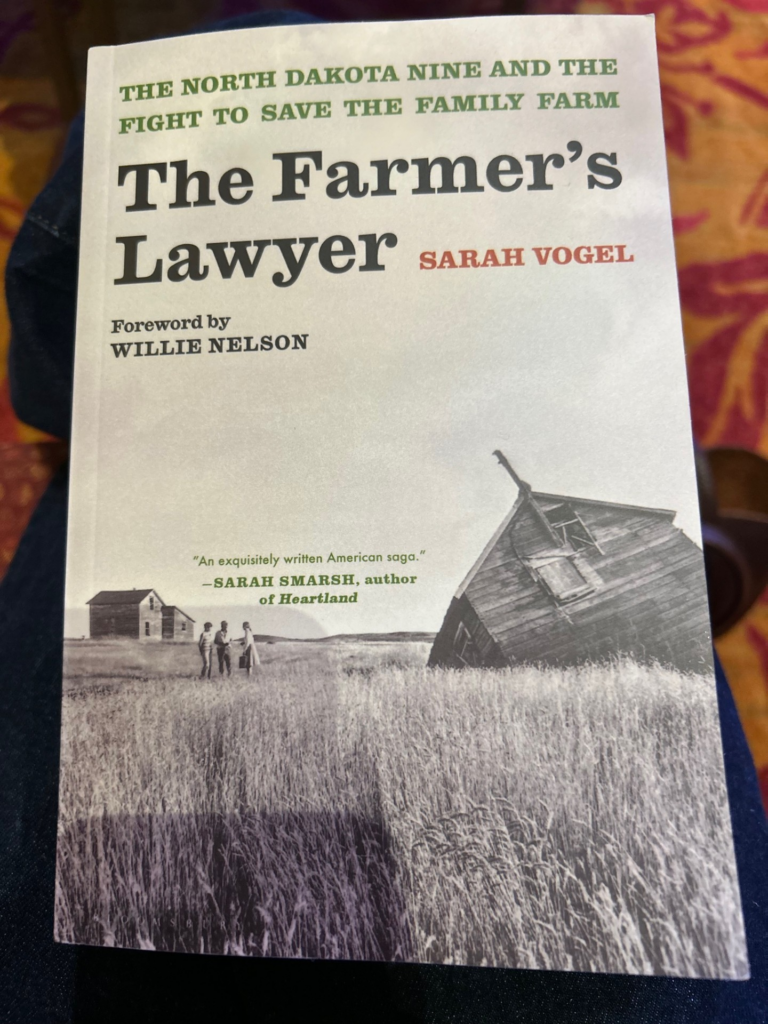
Vogel said she later documented those battles in her book, The Farmer’s Lawyer, which recounts the Coleman v. Block case and the broader fight to save family farms during the 1980s farm crisis. She explained that she wrote the book because she believes agriculture may be heading into another downturn, noting that understanding how farmers survived past depressions can provide perspective and hope today. “I felt the coming of another big agriculture depression, and I thought if people knew about prior battles where the farmers had survived, that would give hope to people today,” Vogel said.
Looking at what might have happened had farmers lost that case, Vogel was blunt. “I think most family farms would be owned by corporations,” she said, explaining that investment funds were already moving aggressively into farmland during the 1980s. She added that while some states once had protections, “not very many states have anti-corporate farming laws”.
Vogel also discussed her work as co-counsel in Keepseagle v. USDA, a case that exposed discrimination against Native American producers. “As poorly as USDA treated white farmers, it treated Native Americans worse,” she said, noting the case relied on the Equal Credit Opportunity Act and took two decades to resolve. The outcome, Vogel emphasized, “required USDA to make many reforms” that are now embedded in law. Drawing parallels between today and past downturns, she warned, “I think today is very similar to the ’80s… we’re in that kind of cycle now,” urging producers to stay informed and engaged through groups like National Farmers Union and the Farmers Legal Action Group.