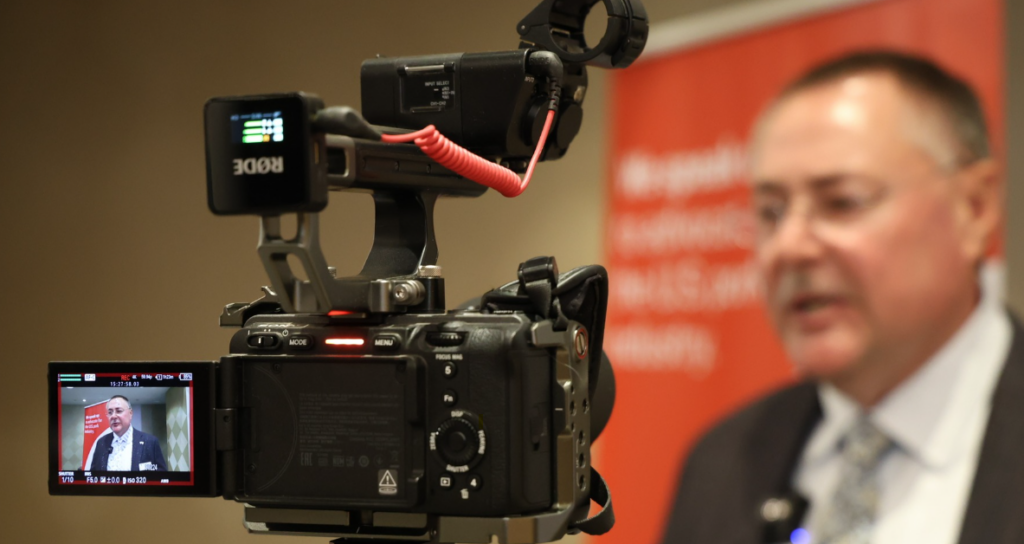
The primary focus for pork producers today centers on navigating legislative hurdles, specifically the upcoming Farm Bill and its potential to address industry-wide concerns regarding interstate trade regulations. During a recent conversation at the National Pork Producers Council booth in Washington D.C., Todd Marotz discussed these pressing issues with Maci Carter for the Oklahoma Farm Report. Marotz highlighted the critical need for a federal fix to Proposition 12 to prevent a disjointed “patchwork” of state-level regulations that complicates how livestock is raised across the country.
The Impact of Proposition 12 and Question 3
A major point of concern for the industry is California’s Proposition 12 and the subsequent Question 3 in Massachusetts. These measures set specific square footage requirements for livestock housing, which Marotz argues infringes on the rights of producers in other states.
“We’re all for the good people in California… let the free market decide how that should work and the pricing of that… but don’t force or infringe on other states on how they produce their product.”
This regulatory shift has already led to tangible economic consequences in California, including:
- A 16% increase in bacon prices.
- A 32% increase in the price of loins.
- An overall decrease in the volume of pork sold within the state.
Trade Opportunities and Challenges
Beyond domestic regulations, the council is closely monitoring international trade agreements. The USMCA (United States-Mexico-Canada Agreement) remains a top priority as it undergoes review. Marotz also pointed to significant growth opportunities in Asian markets, particularly the Philippines.
A specific area of interest is the export of variety meats, often referred to as “offal.” While these products have low demand in the United States, they are staples in many Asian cuisines. Successfully expanding these exports could add approximately $10 per head in value for producers, turning a product that often goes to rendering into a profitable asset.
Animal Health and Biosecurity
Protecting the national swine herd from foreign animal diseases remains a paramount concern. Marotz emphasized the importance of prevention and the success of the “Beagle Brigade” at ports of entry to detect unauthorized pork products.
The industry is also advocating for:
- Increased funding for the Swine Health Improvement Program (SHIP).
- Support for National Animal Health Laboratory Network (NAHLN) labs.
- Maintenance of robust vaccine banks and surveillance programs.
Looking Toward the Future
Despite the current challenges, Marotz expressed pride in the multi-generational nature of the pork industry. He noted that while regulations like Proposition 12 can negatively impact the carbon footprint and the sustainability of small to medium-sized farms, the industry remains committed to evolving for future generations.
As the summer grilling season approaches, the message to consumers is simple: support the industry by enjoying affordable protein. “Go get [a pork chop] right now and get ready for spring,” Marotz encouraged, noting the current affordability of pork products.