In today’s Beef Buzz, senior farm and ranch broadcaster Ron Hays speaks with Professor and Extension Beef Cattle Specialist at Oklahoma State University, Dr. Dave Lalman, who shares practical strategies for identifying more efficient replacement heifers that can thrive in forage-based systems.
Sorting Heifers for Forage Efficiency
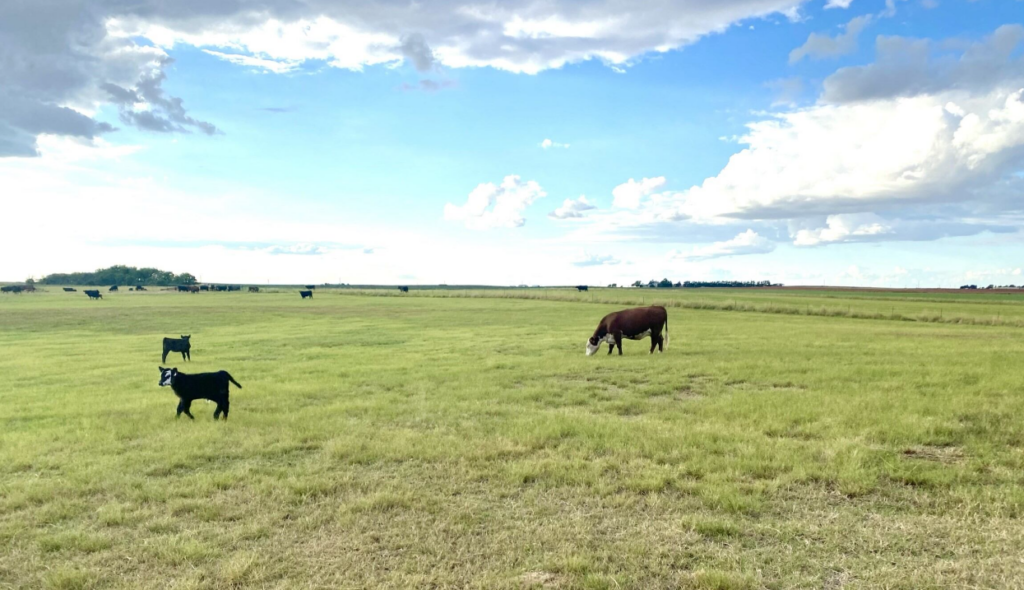
Lalman says producers can take a hands-on approach to identifying which females are best suited for long-term productivity on grass. “One idea would be to wean your heifers, weigh them… then turn them out for a period of time on moderate quality forage… maybe 70 days… and then bring them back in and weigh them again,” he explained.
The goal is simple: “What we’re trying to do there is simply rank those females for their ability to gain weight in a forage environment.”
According to Lalman, this measurement is critical. “We have discovered in our research program that the ability to gain weight on forage is a big piece of this forage efficiency concept.”
Keep the Best, Market the Rest
Once heifers are ranked, Lalman says producers need to be selective—and willing to cull hard. “You probably have to keep and test more heifers than you’re going to need as replacements,” he said.
The payoff comes from keeping only the top performers. “The most impactful thing you could do is market the lower end as feeders and retain the ones that have proven to you that they can thrive in a strict forage environment.”
Some cattle make the decision easy. “We have heifers that lose weight on really nice quality grass hay… they have no business becoming a cow.”
Managing Intake to Control Costs
Beyond gain, Lalman emphasized the importance of how much forage cows consume. “We have cows that consume 20 pounds of forage, and we have cows that consume 40 pounds,” he said, noting the wide variation within herds.
That difference directly impacts profitability. “If you have a ranch that can support 1,000 of the 40-pound cows, the same ranch could support 2,000 of the 20-pound cattle.”
To manage those costs, Lalman recommends using available genetic tools. “We suggest combining… dry matter intake EPD… and moderate mature cow weight… you’re doubling down on the idea of controlling cow costs.”
Importantly, he says efficiency doesn’t mean sacrificing carcass quality. “You don’t have to give up on marbling to do that, there’s no relationship.”
Lalman’s bottom line is clear: by identifying heifers that gain efficiently on forage and selecting for moderate intake and size, producers can build a cow herd that is both productive and cost-effective for the long haul.
The Beef Buzz is a regular feature heard on radio stations around the region on the Radio Oklahoma Ag Network and is a regular audio feature found on this website as well. Click on the LISTEN BAR above for today’s show and check out our archives for older Beef Buzz shows covering the gamut of the beef cattle industry today.