

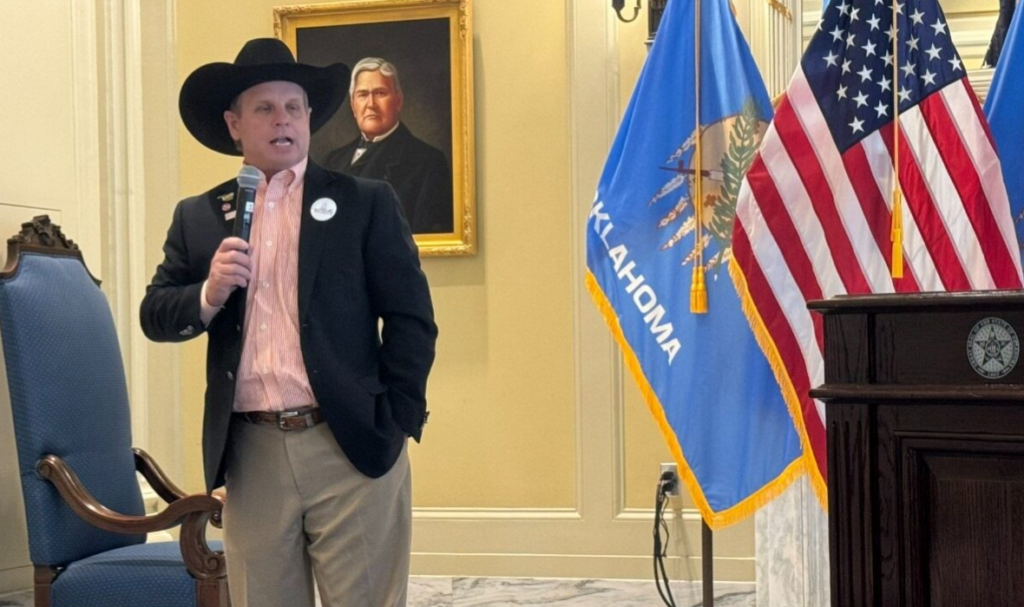
With LRP cattle insurance becoming a growing topic of conversation as cattle markets swing sharply from day to day, Clay burtrum of Farm Data Services says producers are facing a market environment that feels increasingly unpredictable — making risk protection more important than ever. Speaking with Farm Director KC Sheperd, Burtrum said price movement on the board continues to resemble a roller coaster, while cash cattle markets have remained comparatively steady.
“I sound like a broken record, but the market is just a yo-yo,” Burtrum said. “It goes up, it goes down, and we’ve seen very little effect on what the cash is doing, if you’re continuing to watch that and follow along with the market reports, but we base our LRP prices off of what the market does on a daily basis.”
Burtrum explained that livestock producers often misunderstand how claims are calculated under Livestock Risk Protection (LRP), particularly during dramatic board swings. “For example, today we’re locked limit down, it’s the day before a cattle on feed, and Monday’s a holiday, so we’ll go about five days, let everybody kind of calm down or something, and see what Tuesday looks like for new LRP prices,” he said.
He noted that producers sometimes assume a sharp market drop automatically means a payout is coming, but LRP claims work differently. “If you’re somebody that’s settling right now, you might say, ‘Oh my gosh, the board went down, locked limit down, I’m going to have a claim,’” Burtrum said. “Well, that claim is figured on the seven-day moving average of what the index is of a seven to 900-pound steer, so we don’t have the relative between the board and what the cash is doing.”
Because of that disconnect, some cattlemen may not see a claim even if futures prices decline sharply. “Many producers ask, ‘Why don’t I have a claim? My cattle didn’t bring this,’” burtrum said. “But if you look back, we’re increasing the value of those cattle, which is more than the premium and more than the strike price.”
Why LRP Matters During Volatile Markets
With volatility fueled by market uncertainty and geopolitical concerns, Burtrum said LRP allows producers to plan farther ahead and secure a price floor for cattle months in advance. “Many guys are doing their spring work right now,” he said. “You know how many steers, you know how many heifers you’re going to have, whether you’re going to sell those in October or you’re going to carry them on to wheat pasture and sell next May.”
That flexibility, he said, is one of LRP’s greatest advantages. “We can reach out that far,” Burtrum said. “Whether you’re a five-weight calf in October or you’re looking for a 900-pound steer heifer that’s going to ship next year off of wheat pasture, we can insure those.”
He emphasized that producers are not limited by cattle class or marketing plans. “We can insure all classes,” Burtrum said. “Whether you bought bred heifers, whether you’ve got weaned calves that you’re going to sell in October, or you’re going to reach all the way out there, we can look at all those different classes to insure those.”
Herd Size Doesn’t Matter
One misconception Burtrum hears frequently is that smaller producers may not qualify for protection. “Herd size doesn’t matter,” he said. “You don’t have to have a full contract to insure under LRP. You can insure as minimum as one head and as many as 1,000 per day, if that’s how many you’re buying to protect yourself.”
That accessibility makes LRP useful for operations of nearly every size, from small cow-calf producers to larger cattle operations managing significant inventory risk.
“A Much Easier Way to Sleep at Night”
Beyond price protection, Burtrum said LRP helps producers maintain financial credibility and secure financing by showing lenders they have downside protection in place. “It is a much easier way to sleep at night,” he said.
But he said the benefit goes beyond peace of mind. “The other thing that I tell people is it keeps you bankable,” Burtrum said. “You’re able to tell the person providing you money, or even if you’re just running on cash, that you have that bottom-line protection.”
He offered an example of how affordable coverage can be in today’s market. “For example, we can insure a baby calf right now for about $2,000 for about $70 for next fall,” Burtrum said. “Then you can also roll that if you decide to keep them, so you don’t have to sell your cattle.”
He added that LRP can also offer flexibility in difficult situations, including drought-related marketing decisions. “You can sell in the middle of a drought if you need to, within the right parameters,” Burtrum said. “But I encourage guys to work with an agent that understands LRP to help them walk through those scenarios.”
Important Deadline Approaching for LRP Producers
As producers think about insurance decisions, Burtrum reminded listeners that the next LRP year begins July 1. “As a reminder, the new LRP year will start July one, so the month of June is transfer applications,” he said. “If you’re looking to move to another insurance provider, a different agent, this is the 30-day window that allows you to do that, and you need to get those applications into your approved insurance provider at that time.”







