The Beef Ambassadors Contest is helping prepare Oklahoma students to become confident voices for the cattle industry, equipping them with the skills needed to communicate effectively about beef production and agriculture in real-world settings. Hosted by the Oklahoma CattleWomen’s Association, the annual competition challenges students to think on their feet and advocate for the livestock industry through simulated media interviews and peer-to-peer conversations.
Contest Designed to Build Real-World Advocacy Skills
Amarie Bartel, president of the Oklahoma CattleWomen’s Association, said in a conversation with associate farm reporter Carli Davenport that the contest is designed to immerse students in realistic advocacy scenarios that test both their communication skills and industry knowledge.
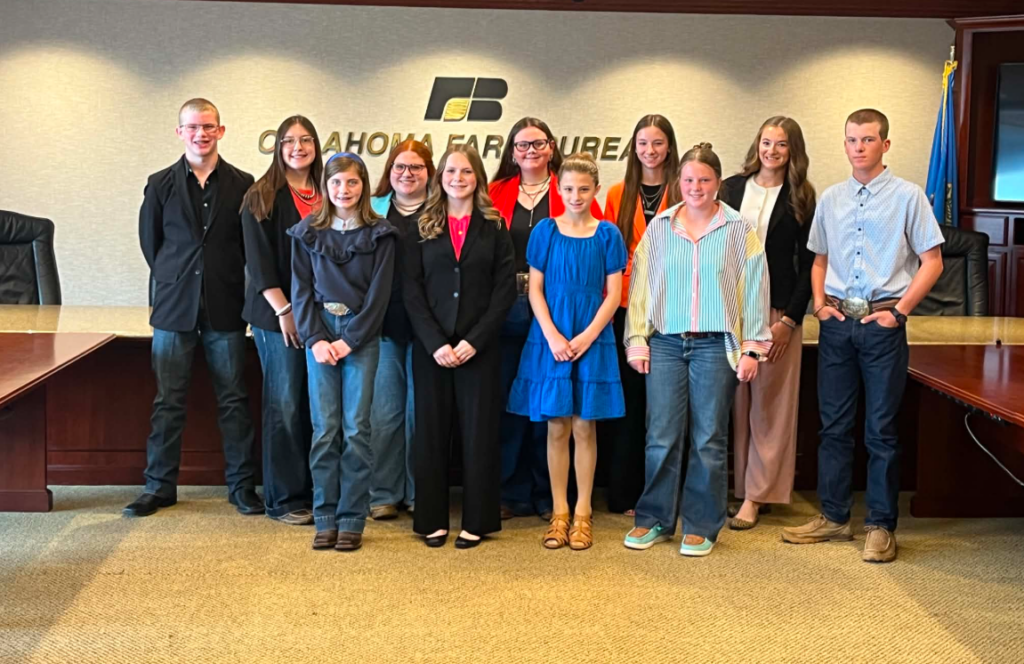
“We were honored to have students from all across the state join us today to compete in their beef advocacy skills,” Bartel said. “In this event, we do media interviews and peer-to-peer mock conversations, and our goal is to put the students in real-world situations that challenge their skills to advocate on behalf of the livestock industry.”
Bartel said what makes the competition especially valuable is that students are not given time to prepare responses in advance, forcing them to rely on their knowledge and ability to communicate clearly under pressure.
“They have no preparation in advance, and they’re thrown into simulated real-world experiences,” Bartel explained. “After the contest is over, our gracious judges give those students feedback, so that we can prepare them and equip them to continue to have these important conversations.”
Agricultural Literacy Remains a Major Challenge
She emphasized that agricultural literacy remains one of the biggest challenges facing the beef industry, even in a state like Oklahoma where agriculture plays a major role in the economy. “I think sometimes we forget that just because we live in Oklahoma does not mean that everybody knows about the livestock industry,” Bartel said.
Referencing comments often made by Michael Kelsey of the Oklahoma Cattlemen’s Association, Bartel said many Americans are now far removed from agriculture. “I’ve heard Michael Kelsey say that we have to stop assuming that just because somebody’s rural means that they understand the beef industry,” she said. “In fact, most families are several generations removed from the farm.”
That disconnect, she said, makes advocacy more important than ever, especially among young people who can help bridge the gap between producers and consumers.
Teaching Students to Communicate with Confidence
“When we look at these students, whether they’re in school settings or otherwise, they need to be equipped to tell their story,” Bartel said. “Media conversations can be challenging. Oftentimes we’re asked quick questions, where we give quick answers. We want to make sure that the students have all of the tools in their toolkit to navigate those conversations with confidence and accuracy.”
The contest featured both junior and senior divisions, with students from fifth through twelfth grade competing.
Junior division winners:
1st place: Diesel Wilson
2nd place: Jamie Parsons
3rd place: Harper Perkins
In the senior division:
1st place: Kinley jo Tolle
2nd place: Koy Morgan
3rd place: Raylynn Parsons
Breaking Out of Agriculture’s “Echo Chamber”
When asked what she believes is the biggest challenge facing agriculture today, Bartel pointed again to a lack of agricultural literacy nationwide. “I truly believe that agricultural literacy is a great issue across our country,” she said. “And I believe that’s a great opportunity for us as producers to get outside of our own networks to share with folks who may not be as familiar.”
Bartel said one of the biggest obstacles is stepping outside the comfort of conversations with people who already understand and support agriculture. “All too often, we can find ourselves in an echo chamber,” she said. “It’s really easy to share the message with folks that agree with you, but sometimes it can be challenging to have those tough conversations with folks who just don’t know what they don’t know.”
Sharing Agriculture’s Story with Consumers
For Bartel, effective advocacy comes down to tone as much as information. She said producers must remain calm, confident, and focused on sharing positive messages about modern agriculture and beef production.
“As we are having conversations about what we buy in the grocery store, or how excellent producers are at stewardship, it’s really important that we approach with a calm, confident attitude, so that we can promote the positive message of the livestock industry,” Bartel said.
Through events like the Beef Ambassadors Contest, Oklahoma CattleWomen are helping ensure the next generation of advocates is ready to tell agriculture’s story—one conversation at a time.