

Agricultural producers struggling to find dependable seasonal labor may have another option through the federal H-2A temporary agricultural worker program.
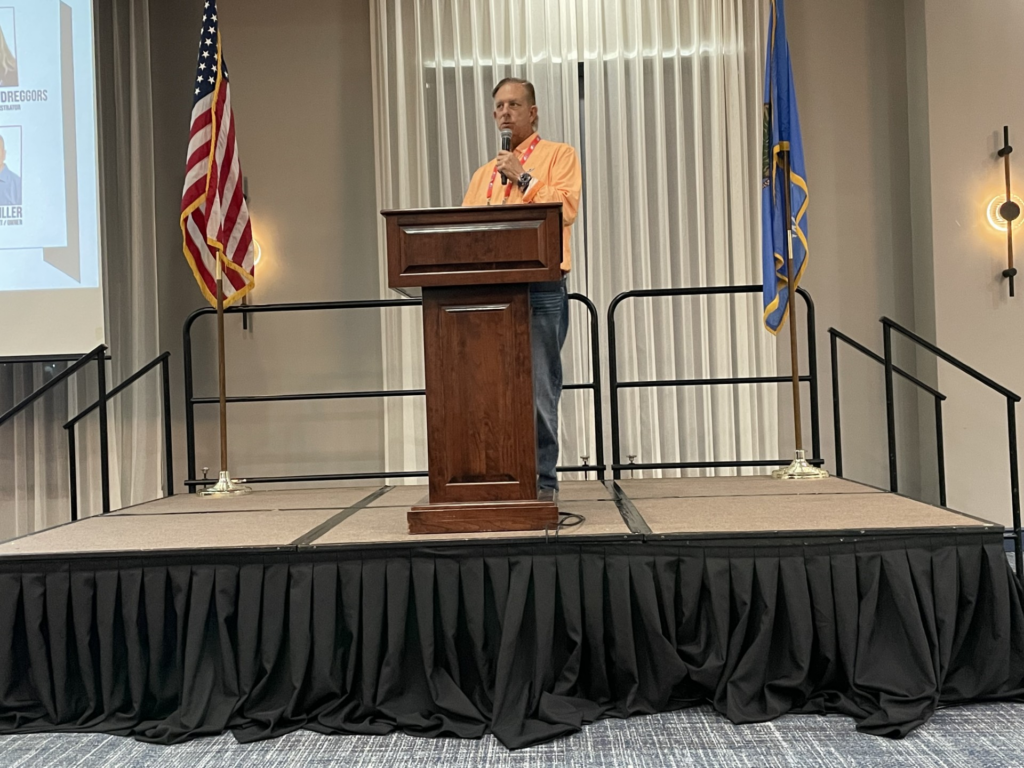
Oklahoma Farm Report intern Haden Snelson recently spoke with Todd Miller, founder and president of Head Honchos LLC, about how the program works and what farmers and ranchers must do to participate.
“It’s a guest worker program,” Miller said. “They come in and they work for the farmer, go back home.”
The H-2A program allows agricultural employers to hire foreign workers for temporary or seasonal jobs when enough qualified domestic workers are unavailable. Miller said workers may generally remain with an agricultural employer for up to 10 consecutive months before returning to their home countries.
“So a farmer can say I need them for up to ten months, then they have to go back home,” Miller said.
Miller said agricultural employers can bring back the same workers for future seasons, allowing producers to develop long-term relationships with employees who understand their operations. He said Head Honchos has worked with some ranchers who have brought back the same employees for more than 20 years.
According to Miller, Mexico remains the largest source of H-2A workers, but Head Honchos also recruits workers from South Africa, Guatemala, Honduras, El Salvador and Uzbekistan.
Miller traced the history of agricultural guest-worker programs to labor shortages during World War II. With many Americans serving in the military, agricultural employers needed additional workers to harvest crops and perform other farm and ranch duties.
Farmers and ranchers interested in the H-2A program must meet several requirements.
“Main qualifiers are simple,” Miller said. “There’s four main qualifiers.”
Miller said employers must provide workers’ compensation insurance and approved housing. Employers must also pay the applicable required wage and cover qualifying transportation expenses for workers traveling to and from their home countries.
Housing provided to H-2A workers must meet federal and state safety standards. Employers are also responsible for following the employment conditions included in their approved job orders.
Producers should begin preparing well before they need workers. Miller said the application, certification, visa and travel process generally takes several months.
“I need about three to three and a half months before you’ll see your workers,” Miller said.
The program can be used for a variety of temporary and seasonal agricultural jobs, including planting, cultivating and harvesting crops. Miller said cow-calf operations, greenhouses and tree farms may also qualify.
Miller also discussed a recent federal clarification allowing dairy employers to seek H-2A workers for qualifying temporary or seasonal positions.
“Dairy can now apply for workers,” Miller said.
Dairy operations must still demonstrate that the particular labor need is temporary or seasonal rather than an ongoing, year-round position.
Miller said the program reaches beyond traditional crop production and can help different sectors of agriculture address seasonal workforce shortages.
“So, it kind of spreads far and wide,” Miller said. “It’s not just it’s not just crops. It’s not just cattle.”







