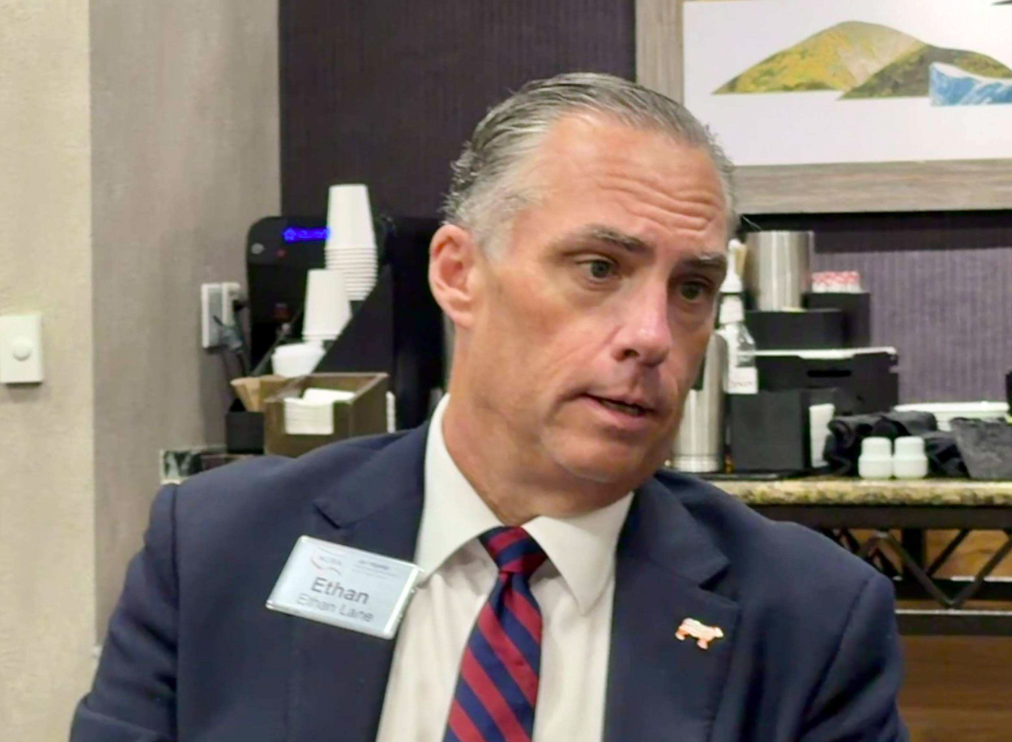
In today’s Beef Buzz, senior farm and ranch broadcaster Ron Hays speaks with Ethan Lane, vice president of government affairs for the National Cattlemen’s Beef Association, about the recent actions coming from the White House and the growing concerns among cattle producers about government intervention in the cattle market.
Cattle Producers Frustrated With Government Intervention
Lane says the recent announcements from Washington have created significant uncertainty for cattle producers, particularly as the industry heads into a critical period for marketing and herd decisions. “We are in an era here where we have a lot of folks running for office,” Lane said. “They are in tight races. They are very worried about their electoral chances in the midterms, and they are throwing a lot of spaghetti at the wall.”
Lane said many of the recent proposals appear to be designed more for political messaging than long-term solutions. “I think we’re seeing that land very flat with cattle producers around the country, who at this point would just prefer the government to leave them alone,” Lane said.
He added that skepticism toward federal intervention is deeply rooted in the cattle industry. “That is something that I think is baked into the core of most cattle producers that the federal government is not typically your friend, regardless of who is in charge of it,” Lane said.
NCBA Defending a Free-Market Approach
Lane said NCBA’s policy positions are built from its grassroots membership, with 44 state cattlemen’s associations contributing to the organization’s policy book. “That policy book puts forward a free market view of the world,” Lane said.
He said government intervention can interfere with the market signals producers depend on when making decisions about their herds. “Government price controls, government intervention in the market, the government tinkering with the cattle markets, and distorting those critical market signals that need to get down to the ground to cow-calf producers that are needing to make decisions on what they do with heifers, and how they play into this incredibly volatile market are so important right now,” Lane said.
Lane said short-term political messaging should not come at the expense of those market signals. “Efforts to distort those or take advantage of those for a short-term messaging opportunity are incredibly detrimental and simply just not welcome,” he said.
Questions Remain About Trump’s Lean Beef Plan
Hays also asked Lane about President Trump’s recently announced plan involving lean beef imports and tariffs, noting that additional details have been released but many questions remain about how the plan would actually work.
Lane said the lack of specifics has been one of the biggest challenges. “That’s been one of the biggest mysteries in Washington, right? There’s just no detail, and you know we can kind of guess,” Lane said.
He pointed to Brazil, Paraguay and Argentina as countries NCBA has longstanding concerns about when it comes to access to the U.S. beef market. “These countries are already up double digits into our market in the last year,” Lane said. “We’re at 25 percent or more in imports right now, more than double from where we were 18 months ago.”
Lane said NCBA’s position on those countries has remained consistent. “This is not a new position for us. It’s not a shift in position for us,” he said. “It is a consistent, long-standing opposition to countries that do not follow the rules, do not play by the same standards, do not keep appropriate records, and do not embark on reporting the same way that we do from having unfettered access to this market.”
NCBA Raises Concerns Over Brazil’s Animal Health Reporting
One of the biggest concerns, Lane said, involves how some trading partners have handled animal disease reporting, including BSE cases. “The World Organization for Animal Health has changed their reporting requirement,” Lane said. “That was historically, you know, countries needed to report an atypical BSE case in 24 hours.”
Lane said Brazil has not always followed that timeline. “Brazil spent years taking months to do that, or in some cases several years to report cases, rather than the day or so that us and everybody else has always followed,” he said.
Lane said that raises questions about whether those countries are meeting the same standards expected of U.S. producers and the U.S. beef industry. “That speaks to a failure of their system,” Lane said. “It speaks to their inability or unwillingness to play by those rules.”
NCBA Wants USDA to Conduct On-the-Ground Audits
Lane said NCBA has repeatedly called for USDA to conduct firsthand audits of countries seeking greater access to the U.S. market. “We have long asked for USDA under multiple administrations to get their clipboards and go down there and audit them,” Lane said.
He said reviewing paperwork alone isn’t enough. “No, you can’t just update old materials or use old reports or take their word for it,” Lane said. “You got to get down there on the ground and see what’s going on, and if necessary, shut them out of this market.”
Lane said the cattle industry is entering a period where producers need clear and reliable market signals, rather than additional uncertainty created by government intervention. “Consumers are willing to pay for the product that we are producing because it is the highest quality in the world, and they enjoy the eating experience,” Lane said. “That’s a hard-won relationship.”
The Beef Buzz is a regular feature heard on radio stations around the region on the Radio Oklahoma Ag Network and is a regular audio feature found on this website as well. Click on the LISTEN BAR above for today’s show and check out our archives for older Beef Buzz shows covering the gamut of the beef cattle industry today.