
Oklahoma wheat producers have navigated a volatile start to the growing season, moving abruptly from severe drought and unseasonable September heat to localized downpours bringing up to 13 inches of rain. Despite the disrupted schedule, ongoing trials suggest that growers may have significantly more flexibility with their planting dates than previously assumed.
In a recent interview with Farm Director KC Sheperd, Oklahoma State University Small Grains Extension Specialist Dr. Amanda Silva provided an update on crop progress, late planting implications, disease considerations, and fertility management.
Challenging Start Gives Way to an Encouraging Fall
The rapid swing in weather created an unpredictable start across Oklahoma. Producers initially faced exceptionally hot, dry soil conditions before excessive moisture forced widespread replanting in areas where seed washed out or flooded.
“It’s been season, right? There is always something for us to deal with,” Dr. Silva noted. “It started, like you said, in a drought—very hot, way hotter than normal in September—then we got a lot of rain, and so a lot of folks were having to replant. But, you know, the way it’s shaping, I think it’s shaping to be a very good fall for us so far.”
Rethinking the Late-Planting Window
A common concern among growers forced into November planting is the potential sacrifice in grain yield. However, OSU’s multi-year research indicates that the traditional calendar window may be wider than long believed.
“We always thought that as we delay planting, we are going to lose yield,” Dr. Silva explained. “We’ve been working on this late-planting wheat research for the past five years or so… and we’re seeing that it’s not always the case that as we delay planting, our grain yield is going to reduce.”
Dr. Silva pointed out that October weather often dictates final performance. When early fall months are severely dry, waiting for favorable moisture into November or early December can result in comparable—or even superior—stands without penalizing yield, especially in regions like the Southwest.
Additionally, delaying planting can offer protection against unpredictable late-spring freezes. When early-maturing varieties are planted too early in October, they develop ahead of schedule and risk freeze damage during heading. Delaying those varieties helps keep plant growth aligned with safer spring timelines.
Wheat Seeding Rates and Fall Fertility
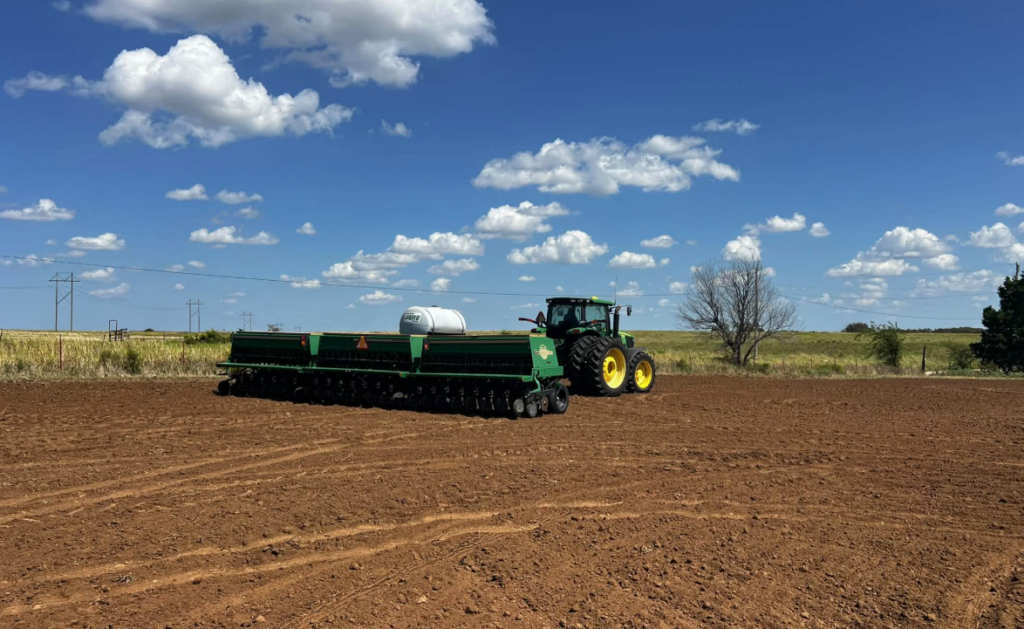
For producers still putting seed in the ground, Dr. Silva advised maintaining standard grain-only seeding rates rather than unnecessarily increasing them.
Key management points include:
- Seeding Rates: Most Oklahoma grain-only producers seed around 900,000 seeds per acre (roughly 60 pounds or 1 bushel per acre). OSU trials show no significant yield benefit from increasing rates for late-planted wheat if this baseline is already being used.
- Starter Fertilizer: Adequate phosphorus is critical for late-planted stands to accelerate root growth and promote tillering before winter dormancy.
- Variety Characteristics: For late seeding, selecting varieties with strong tillering capacity helps compensate for shortened vegetative growth.
- Seed-to-Soil Contact: Ensuring firm seed placement remains vital for uniform germination.
Scouting for Stripe Rust and Pests
Forecasts pointing to an El Niño pattern typically indicate cooler, wetter, and potentially snowier winter conditions in the Southern Plains. While extra moisture provides snow cover that insulates young wheat and helps build late biomass, it also alters disease risks.
“With a very wet winter… we could start seeing disease like stripe rust much earlier than we are used to,” Dr. Silva cautioned. Persistent morning dew, combined with wind, can trigger early-season fungal development, making early spring scouting around February essential.
Regarding fall insect pests, Dr. Silva reported that neither armyworms nor brown wheat mites have posed widespread threats across Oklahoma fields so far this season.
Wheat Grazing and Winter Stand Establishment
Dual-purpose wheat sown in late September and early October has established well. Dr. Silva estimated that many stocker operations will be able to turn cattle out onto pasture around Thanksgiving, provided canopy growth supports adequate grazing.
For growers wrapping up planting operations, Dr. Silva emphasized that stand establishment is the single most critical factor to monitor. Ensuring that late-sown wheat develops sufficient tillers before full winter dormancy will directly determine next spring’s yield potential.