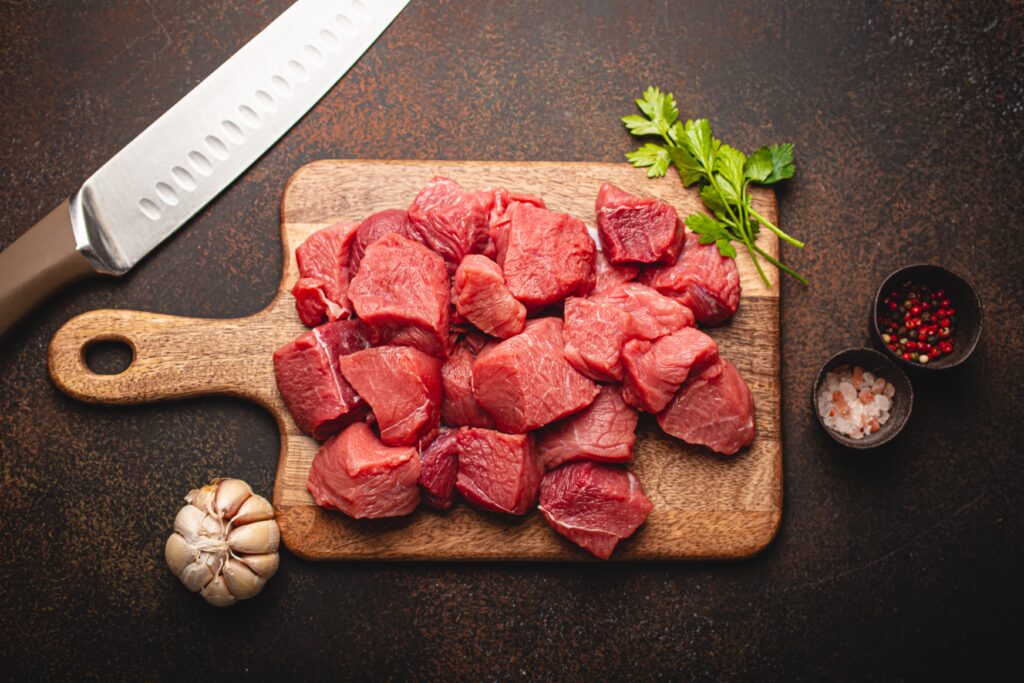
US Meat Exports Poised for Growth Following US-Taiwan Trade Agreement
The Office of the U.S. Trade Representative recently finalized a reciprocal trade agreement between the United States and Taiwan, signaling a significant shift in market access for American red meat. Dan Halstrom, President and CEO of the US Meat Export Federation (USMEF), was in Taipei during the announcement and highlighted the positive implications for American producers, particularly within the beef and pork sectors.
Strategic Gains for U.S. Beef
Taiwan currently represents the fifth-largest export market for U.S. beef, with a valuation of approximately $650 million annually. The new agreement is expected to bolster these figures by addressing trade barriers that have historically limited certain segments of the market.
“With reduced tariffs and increased access on certain cuts, we see the potential to grow that product mix for Taiwan, which is great news,” says Dan Halstrom.
The reduction in tariffs is viewed as a primary driver for expanding the variety of beef products available to Taiwanese consumers, allowing U.S. exporters to diversify their offerings beyond current staples.
Overcoming Challenges in the Pork Sector
While the pork market in Taiwan is smaller than that of beef, U.S. exporters have faced distinct hurdles, including unequal tariff levels compared to major competitors like Canada. The agreement seeks to establish a more competitive baseline for American pork.
Beyond financial barriers, the industry is working to rehabilitate the image of U.S. pork following Taiwan’s decision several years ago to amend its zero-tolerance policy for ractopamine residues. Although there have been no recorded safety issues or violations regarding ractopamine in U.S. pork, the resulting negative publicity hindered consumer acceptance.
“We face a real issue with consumer acceptance of U.S. pork in Taiwan, and this will go a long way in not only getting us on a level playing field tariff-wise, but hopefully helping us to improve the perception of U.S. pork in Taiwan,” Halstrom notes.
Broader Impact on U.S. Agriculture
The benefits of the agreement extend to smaller sectors of the red meat industry as well. The deal includes provisions for zero-duty access for U.S. bison and lamb, providing new opportunities for growth in these niche markets.
Key Benefits by Sector:
- Beef: Expansion of a $650 million market through reduced tariffs on specific cuts.
- Pork: Leveling the playing field against international competitors and improving consumer trust.
- Bison & Lamb: Gaining zero-duty access to encourage new business opportunities.
“Any market that we can grow will work to the advantage of the U.S. cattle and pig farmer,” Halstrom concludes, acknowledging the support of federal efforts to dismantle trade barriers.
For more information on market developments and international trade, stakeholders are encouraged to visit the official USMEF website.