In today’s beef buzz, senior farm and ranch broadcaster Ron Hays speaks with Joe Schuele, vice president of communications for the U.S. Meat Export Federation, about renewed momentum for U.S. beef access to China after beef trade concerns were raised during talks between the United States and China. Schuele says renewed plant registrations mark a significant breakthrough after more than a year of setbacks and limited market access.
Beef Access Was Prioritized
Schuele says the industry received welcome news after U.S. beef became part of discussions between President Trump and Chinese leadership, resulting in renewed establishment registrations for U.S. beef plants. “We have a tangible gain there with U.S. beef establishments registrations being renewed for China,” Schuele said. “That’s one key step to fully restoring access to the market.”
He emphasized that seeing beef access addressed at such a high-level meeting was far from guaranteed, but certainly welcome. “You always worry about such a high-level meeting,” Schuele said. “They have so many issues to go through that don’t even relate to trade. Then you have so many trade issues that we were really, really pleased to see that beef access was prioritized and that progress was made.”
Plant Eligibility
According to a White House Fact Sheet released on Sunday- the Administration expects the Chinese to roll back to the Phase One deal from the Trump 1.0: “China restored market access for U.S. beef by renewing expired listings of more than 400 U.S. beef facilities and adding new listings. China will work with U.S. regulators to lift all suspensions of U.S. beef facilities.”
While registrations are being renewed, Schuele explained that the situation remains complicated because not every processing facility is immediately cleared to export beef into China. “The plant registration started to expire in March of 2025,” Schuele explained, noting it coincided with the five-year anniversary of the Phase One trade agreement when many U.S. plants became active in the China market.
Over time, more facilities lost eligibility as registrations expired, while others faced suspensions tied to what Schuele described as alleged technical violations. “We feel that China is not following international standards, and they’re not following reasonable standards before they delist these plants,” Schuele said.
According to Schuele, nearly half of U.S. beef production still faces hurdles before becoming eligible for China because suspended facilities must complete corrective actions before regaining access. “We really need China to adhere to the agreement, the commitments they made in the Phase One agreement,” Schuele said. “If they would regulate the product similar to Japan or Korea or Taiwan … then we wouldn’t be running into so many obstacles.”
Relief for Customers and Added Value for Producers
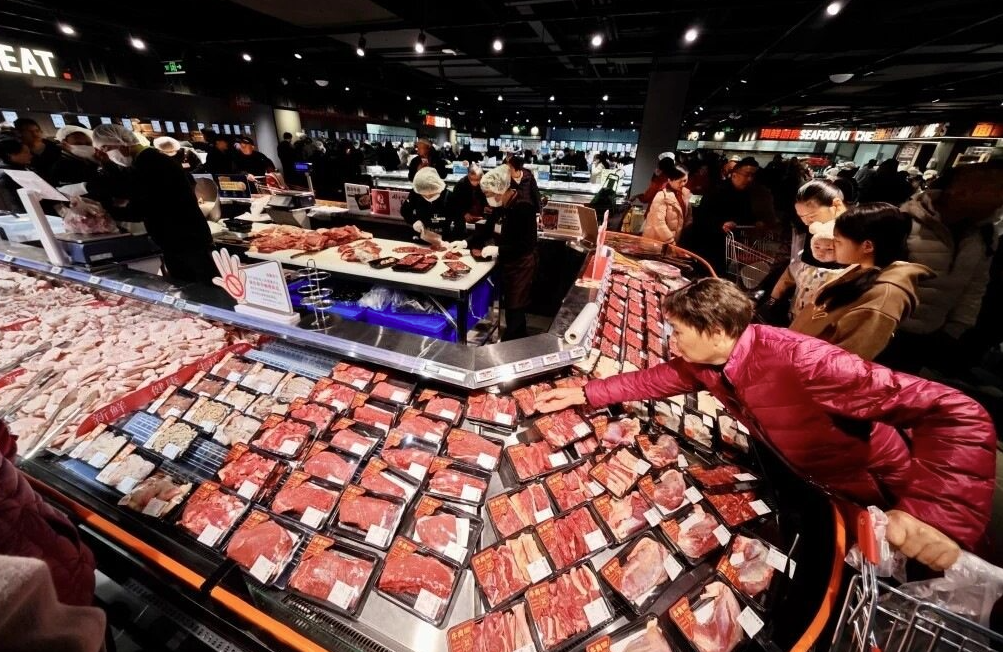
Even though some facilities still face restrictions, Schuele says the renewed registrations immediately improve prospects for customers in China who have struggled to access U.S. beef supplies. “We basically had almost nothing that was eligible for China except pipeline product,” Schuele said, referring to beef produced before individual plant registrations expired. “You’ve had this trickling of product into China over the past few months, but it’s not nearly enough to meet our customers’ needs.”
Schuele said Chinese buyers are expected to be “thrilled” to regain access to the product and stressed that the benefits extend well beyond China itself. “Simply having China back in the mix for these cuts that are very popular in Asia, like short plates and chuck rolls and short ribs,” he said, “that’s going to add value to every cut that we ship to Asia, regardless of the destination.”
He described it as a “halo effect” for beef exports, explaining that renewed Chinese demand increases the value of products sent to other major Asian customers as well. “This will add a premium to the cuts we send to Japan, Korea, Taiwan,” Schuele said. “It’s really kind of a halo effect on the value of those popular Asia cuts that we’ve been missing out on since we lost access to China.”
Waiting for Further Details
Schuele cautioned that more work remains before the U.S. beef industry can consider full access restored. “There are other actions that need to be taken before we feel like we’re fully back into the market,” Schuele said, adding that conversations with trade officials are expected to continue in the coming weeks.
Still, he stressed the significance of what has already been accomplished. “We don’t want to overlook the fact that this is really a major critical step,” Schuele said, “and really good news for the industry.”
The Beef Buzz is a regular feature heard on radio stations around the region on the Radio Oklahoma Ag Network and is a regular audio feature found on this website as well. Click on the LISTEN BAR above for today’s show and check out our archives for older Beef Buzz shows covering the gamut of the beef cattle industry today.